The Amalfi Coast is often sold on its views — but the food is what locals will actually argue about. Ask ten people from Amalfi, Cetara, or Positano where to eat and you will get ten strong, conflicting opinions, and all ten will be right about something. This is a coast shaped by geography: a narrow strip of land squeezed between mountains and sea, with almost no flat ground for large-scale farming. That constraint is exactly why the food is so distinctive. Terraced hillsides grow lemons and herbs instead of grain. The sea supplies most of the protein. Dairy comes down from small mountain pastures rather than industrial farms. Nothing here is generic, because nothing here had room to be generic.
This guide covers the dishes, drinks, and ingredients that actually define Amalfi Coast food — not just the lemon, though the lemon earns its reputation — along with where along the coast to find the best versions of each.
The Sfusato Lemon: The Ingredient Everything Else Answers To
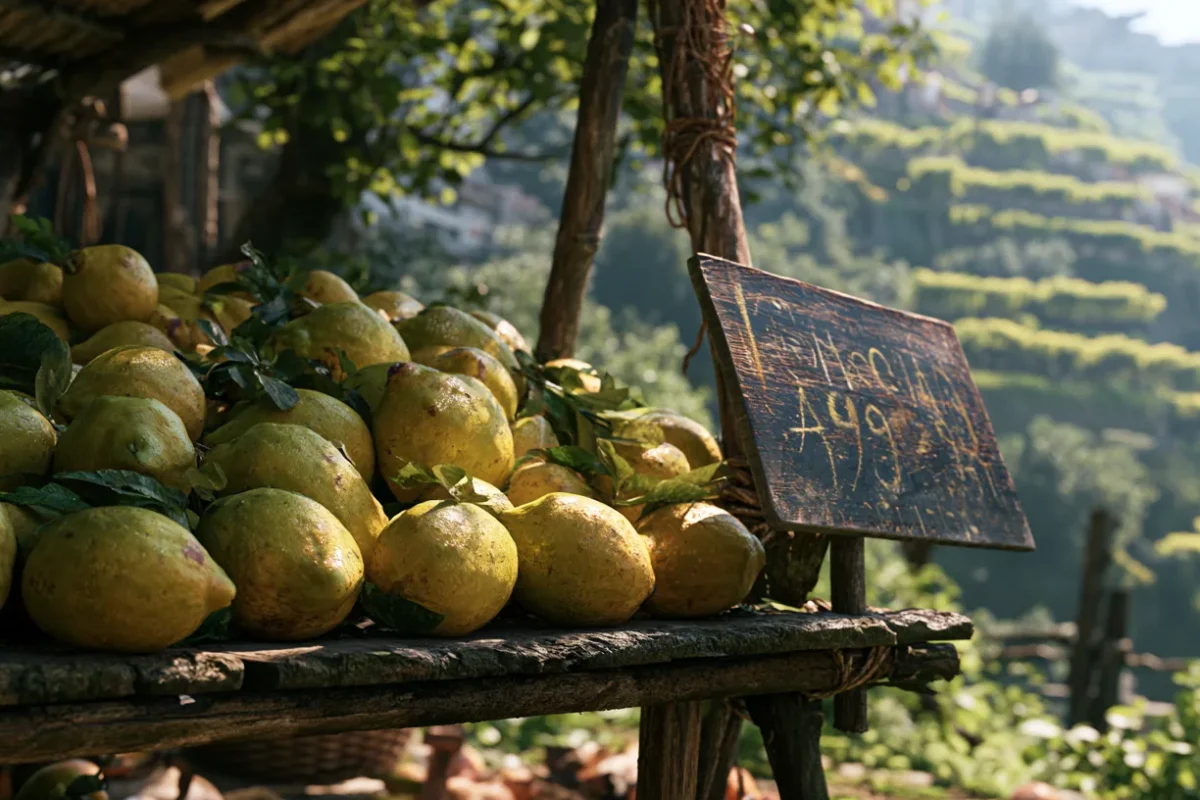
Walk through any village market between Positano and Vietri sul Mare and you will see lemons stacked in pyramids, hanging in nets, pressed into the stonework of restaurant facades. The variety behind almost everything lemon-flavored here is the sfusato amalfitano — spindle-shaped, fist-sized, thick-skinned, and protected by IGP status since 2000. It is grown only in the terraced groves between Amalfi and Cetara, and each fruit weighs at least 100 grams. The skin is unusually thick and loaded with aromatic oils, which is why local limoncello, desserts, and even soaps taste and smell like something rather than nothing.
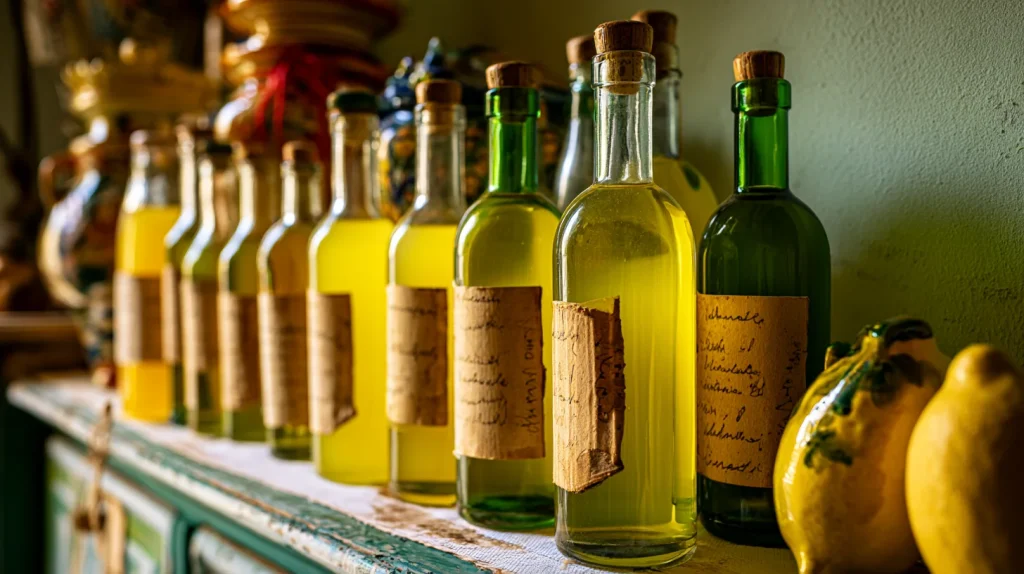
Understanding the sfusato is the key to understanding Amalfi Coast food generally: this is a cuisine built around one intensely flavorful ingredient grown in difficult terrain, extended as far as it can reasonably go — into liqueur, pasta, dessert, savory sauces, and drinks.
Limoncello: The Real Thing vs the Tourist Version
Every bar, restaurant, and souvenir shop on the coast sells limoncello, and most of what you encounter in tourist-facing shops is mass-produced — pleasant enough, but not dramatically different from what you’d find in any Italian deli back home.
Real artisan limoncello is different. The skin of the sfusato is steeped in pure grain alcohol for a minimum of two weeks, longer for the better producers, then blended with sugar syrup. No colorings, no added flavors. The result is cloudy, intensely fragrant, and tastes overwhelmingly of lemon rather than lemon candy.
To find the real version:
- La Valle dei Mulini, Amalfi — The Aceto family has grown lemons in the terraced groves above the old paper mills for five generations, and their limoncello is made from sfusato harvested on-site.
- Small liquorifici in Ravello — several producers make limoncello from their own grove lemons. Ask at the enoteca or the small shops off the main piazza, not the stalls on the main drag.
- The bar test — many restaurants along the coast pour a house-made limoncello as a free digestif after dinner. Pale yellow and slightly cloudy usually means good; bright yellow and very sweet usually means commercial.
Drink it very cold, from a glass kept in the freezer. Room-temperature limoncello is a genuinely unpleasant experience.
Seafood: The Coast’s Other Signature
Lemons get the marketing, but seafood is the backbone of Amalfi Coast food, and Cetara — the small fishing village east of Amalfi — is where it’s taken most seriously.
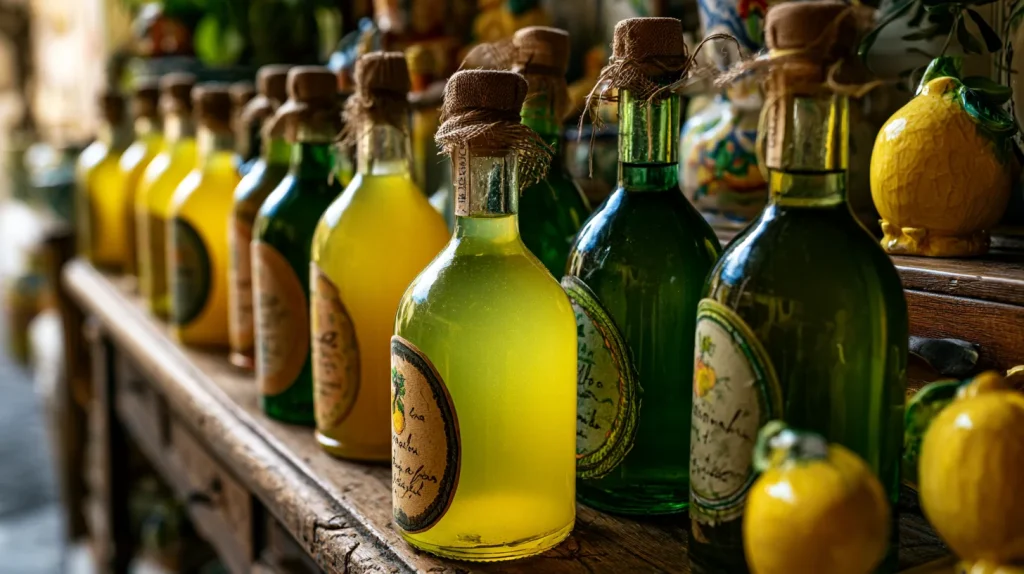
Colatura di alici is an intensely savory anchovy sauce produced almost exclusively in Cetara, a direct descendant of the ancient Roman garum. It’s traditionally pressed in wooden barrels and finished with a squeeze of sfusato lemon that cuts through the salt. Traditionally it appears on the table around Christmas Eve, but good restaurants serve it year-round, usually tossed through spaghetti with garlic and parsley.
Alici di Cetara — fresh and salted anchovies from the village’s own boats — show up marinated, fried, or simply grilled with lemon and olive oil. They bear little resemblance to the tinned version most people know.
Fritto misto di pesce, mixed fried seafood, comes standard with a wedge of sfusato. Watch what locals actually do with it: they squeeze the lemon over the fish deliberately, as a calibrated step rather than an afterthought. The acidity does real work against the frying oil.
Totani e patate — squid and potato stew — is a coastal classic, especially good in the version made with lemon and local herbs rather than tomato. Restaurants in Atrani and Cetara tend to do it well.
Pasta Worth Ordering
Scialatielli is a thick, short, hand-cut fresh pasta believed to have originated on the Amalfi Coast in the late 20th century, and it’s now the region’s signature pasta shape. It’s built to hold a sauce, and the classic version — scialatielli ai frutti di mare — comes loaded with clams, mussels, shrimp, and whatever else came in that morning.
Spaghetti al limone is the coast’s simplest and best pasta dish: lemon juice and zest, butter, and either cream or Parmigiano Reggiano tossed with pasta until the sauce emulsifies into something silky and bright. No tomato, no meat — just lemon, pasta, and technique. It sounds like it might be too simple. When the lemon is a real sfusato, it isn’t.
Where to try it: Le Palme in Atrani, the small village just east of Amalfi that’s often overlooked and noticeably quieter and cheaper than Amalfi proper. La Cucina del Tramonto d’Oro in Praiano also has a strong local reputation for its version.
Cheese and Dairy from the Hills Above the Coast
Less famous than the lemon, but genuinely worth seeking out: the dairy from Agerola, a plateau town above the coast where cows graze on mountain pasture. Fior di latte di Agerola is a fresh cow’s-milk mozzarella, milder and less rubbery than the industrial versions sold elsewhere. Provolone del Monaco, a DOP semi-hard cheese aged for months, is sharper and more complex — worth trying with a glass of local red rather than as a snack.
Wine of the Costa d’Amalfi
The coast has its own small DOC, Costa d’Amalfi, split into three geographic subzones — Furore, Ravello, and Tramonti — each producing white, red, and rosé. The whites lean on Falanghina and Biancolella grapes and pair naturally with the coast’s seafood; the reds, built mostly from Piedirosso and Aglianico, are lighter than you’d expect and go well with the region’s tomato-forward dishes. Production is small and much of it doesn’t leave the region, so this is largely a “drink it here” wine rather than something you’ll find easily at home. Ask for a Tramonti or Furore label at a restaurant with a real wine list rather than a tourist menu.
Desserts: Delizia al Limone and Beyond
Delizia al limone — lemon delight — is a dome-shaped sponge cake soaked in lemon syrup, filled with lemon cream, and glazed with more lemon cream on the outside. It looks simple; done well, it’s extraordinary. It was invented in 1978 by Carmine Marzuillo, a pastry chef from Sorrento, and spread across the coast to become its signature dessert.
Where to find the best:
- Pasticceria Sal De Riso, Minori (Via Roma 80) — Sal De Riso is the pastry chef most responsible for making delizia al limone nationally famous. The shop also sells lemon tarts, lemon babà, and lemon-infused chocolates. Minori itself is small and relatively non-touristy — a striking contrast to Positano.
- Pasticceria Pansa, Amalfi (Piazza Duomo 40) — the oldest pastry shop in Amalfi, open since 1830, right on the cathedral square. Also makes strong almond-based pastries.
- Pasticceria La Zagara, Positano — opened in 1950, near the Church of Santa Maria Assunta, with a lovely terrace. Positano prices, but reliable.
- Pasticceria Gambardella, Minori (Corso Vittorio Emanuele 37) — a quieter alternative to Sal De Riso, shaded by lemon trees.
Also worth trying, though less coast-specific: babà, the rum-soaked sponge cake found across Campania, which most of the pasticcerie above also make well.
Granita and Sgroppino
Granita al limone is crushed ice flavored with fresh lemon juice and a little sugar — less sweet than gelato, less watery than a slush. On a hot afternoon it’s the drink you want, and quality tracks closely with the quality of the lemon used.
Sgroppino is a bar variation: lemon sorbet shaken or stirred into Prosecco until it turns into a frothy, faintly alcoholic slush. It shows up between courses as a palate cleanser and at the end of a meal as a dessert drink — cold, effervescent, and very good on a warm restaurant terrace.
Where to Eat: Town by Town
- Amalfi — Pasticceria Pansa for dessert; La Valle dei Mulini for limoncello and grove visits.
- Atrani — Le Palme for pasta al limone; quieter and cheaper than neighboring Amalfi.
- Praiano — La Cucina del Tramonto d’Oro for pasta al limone with sunset views.
- Minori — Pasticceria Sal De Riso and Pasticceria Gambardella, both worth the detour for dessert alone.
- Positano — Pasticceria La Zagara; expect Positano prices everywhere.
- Ravello — small liquorifici for limoncello, plus restaurants with genuine Costa d’Amalfi DOC wine lists.
- Cetara — the place to try colatura di alici and alici di Cetara at the source, from harbor-front trattorie running on that morning’s catch.
Suggested topic — 3 Days in Amalfi Coast
Visiting a Lemon Grove or Local Producer
Several producers offer visits to working lemon groves — a walk through the terraced gardens with a guide, a tasting of lemon products, and a chance to buy direct from the producer. In Amalfi, tours typically depart near the main piazza and climb into the terraced groves above the old paper mills (the Vallone dei Mulini), pairing the agricultural visit with the town’s medieval paper-making history.
Duration runs about 1.5–2 hours, with prices typically 20–35 EUR per person including tastings and a glass of limoncello at the end. Book ahead in peak season — groups fill fast from June through September.
Food and Drink to Bring Home
- Limoncello — buy from a producer rather than a tourist shop. Check the label: grain alcohol, lemon peel, water, sugar. If you see artificial colorings, put it back.
- Colatura di alici — sold in small bottles in Cetara and good delis along the coast; a little goes a long way.
- Provolone del Monaco or fior di latte di Agerola — better bought vacuum-sealed for travel; ask the shop.
- Canditi di limone — candied lemon peel, often coated in dark chocolate, found in good pastry shops rather than souvenir stalls.
- Lemon honey (miele al limone) — local honey from bees foraging in the lemon groves, with a distinctive citrus edge.
How to Tell Good Limoncello from Bad Limoncello
- Good, artisan: pale yellow, slightly cloudy or hazy, intensely fragrant when opened, not overly sweet, tastes like lemon peel.
- Commercial, tourist-grade: bright yellow (often artificially colored), very sweet, thin aroma, tastes like lemon-flavored sugar.
- The fastest check: read the label. It should list alcohol, lemon peel (ideally naming sfusato amalfitano or limoni della Costiera), water, and sugar. Citric acid, artificial flavoring, or coloranti means put it back.
- Price as a signal: artisan bottles typically start at 15–20 EUR for 500ml. Anything under 10 EUR for a full bottle is almost certainly industrial.
Suggested topic — Amalfi Coast Hidden Gems
FAQ
What food is the Amalfi Coast known for? Lemons and limoncello above all, but the coast’s food is really built around fresh seafood (especially Cetara’s anchovies and colatura di alici), lemon-based dishes like pasta al limone and delizia al limone, scialatielli pasta, and small-batch Costa d’Amalfi DOC wines.
What is the best food to eat on the Amalfi Coast? Spaghetti al limone and scialatielli ai frutti di mare for pasta, fritto misto di pesce for seafood, delizia al limone for dessert, and a cold pour of house-made limoncello to finish the meal.
What is scialatielli? A thick, short, hand-cut fresh pasta believed to have originated on the Amalfi Coast, most often served with mixed seafood.
What is colatura di alici? An intensely savory anchovy sauce made in Cetara, descended from the ancient Roman fish sauce garum, usually tossed with spaghetti, garlic, and lemon.
What is delizia al limone? A dome-shaped sponge cake filled with lemon cream and glazed with more lemon cream. Invented in Sorrento in 1978 and now the coast’s signature dessert. The best versions are at Pasticceria Sal De Riso in Minori and Pasticceria Pansa in Amalfi.
Where can I buy the best limoncello on the Amalfi Coast? Seek out small producers rather than tourist shops: La Valle dei Mulini in Amalfi and small liquorifici in Ravello are reliable. Ask your hotel which producer they use for their house limoncello.
Is food expensive on the Amalfi Coast? It varies sharply by town. Positano and central Amalfi run highest; Atrani, Minori, and Cetara tend to be noticeably cheaper for comparable quality, since they see less tourist traffic.