Let us be upfront: the Amalfi Coast is one of Italy’s most expensive destinations. A coffee in Positano at a sea-view bar costs about three times what it costs in Naples. A hotel on the waterfront costs about twice what a comparable room costs in Rome. The coastal scenery comes with coastal pricing, and no amount of budget travel tips fully changes that
That said, the difference between spending €80 per person per day here versus €250 is not a question of suffering or staying somewhere grim. It is almost entirely a question of where you base yourself, where you eat, and when you go. The coast itself — the views, the beaches, the hikes, the ferry rides — is available at the same price regardless of your budget. Here is what the numbers actually look like.
What Things Cost in 2026: A Realistic Breakdown
Accommodation:
This is the biggest variable. Where you stay changes your daily cost more than any other decision.
- Praiano, Minori, Maiori (budget guesthouse or B&B): €50-90 per night for a double
- Amalfi town (simple guesthouse): €75-130 per night
- Sorrento (budget hotel): €55-100 per night
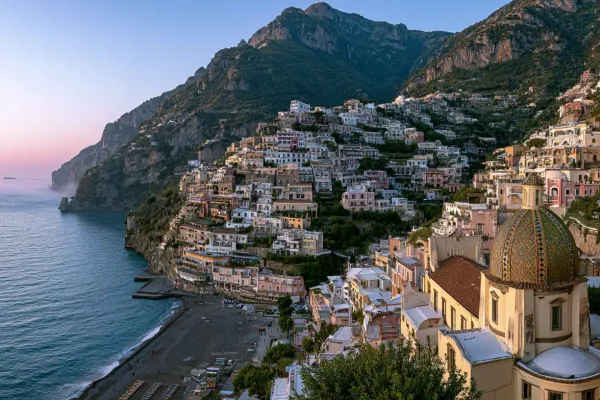
- Positano (cheapest option, upper village): €120-200 per night
- Hostel dorm bed (rare on the coast, more common in Sorrento or Salerno): €30-55 per night
Meals:
The price gap between restaurants on the main piazza and restaurants one street uphill is dramatic and consistent.
- Waterfront restaurant pasta: €18-28 per person
- Side-street trattoria pasta: €10-15 per person
- Pizza at a pizzeria: €8-14
- Fritti (fried street snacks — arancini, crocchette) from a bar: €1.50-3 per piece
- Cornetto and coffee at a bar: €2.50-4
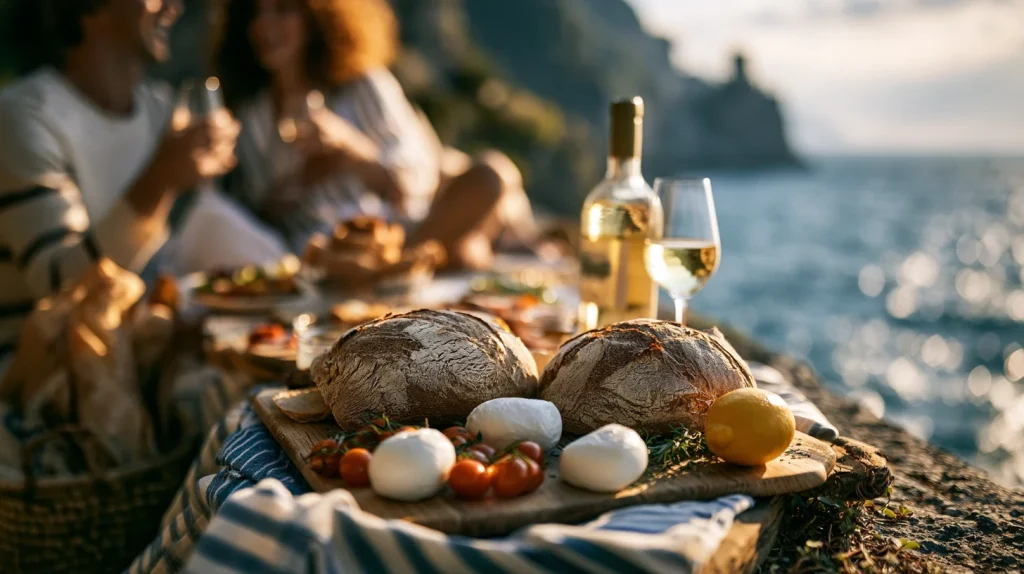
- Grocery store picnic lunch (bread, cheese, prosciutto, fruit): €6-10 per person
Transport:
- SITA bus single ticket: €1.80-2.50 depending on route
- Ferry single ticket (Positano-Amalfi): around €10
- Ferry Positano-Capri: around €20 one-way
- Taxi (Amalfi to Positano): €80-120 (split between group)
Attractions:
- Ravello Villa Rufolo: €8
- Ravello Villa Cimbrone: €7-10
- Capri Blue Grotto: €18
- Grotta dello Smeraldo (Conca dei Marini): €5
- Path of the Gods hike: free
- Most coastal viewpoints and village walking: free
- Public beaches: free (sunbeds extra, €15-25 per pair)
The Minimum Realistic Daily Budget
For a budget traveler staying in Praiano or Minori, eating away from the main squares, using SITA buses, and doing the free hikes and beaches:
- Accommodation: €60/night (split double room)
- Meals: €25/day (coffee breakfast + picnic lunch + trattoria dinner)
- Transport: €5/day average (one or two SITA bus trips)
- One paid activity every other day: €8/day average
Total: roughly €98 per person per day.
That is not cheap by European standards. But it is entirely achievable without sacrificing the experience that makes the Amalfi Coast worth visiting. The views, the hikes, the ferry crossings, and the food — all of it accessible at this budget.
Mid-range travelers spending €150-200 per day get a nicer hotel, ferry travel instead of buses, and restaurant dinners without scrutinizing the menu. Luxury travelers at €400+ get Positano hotels, boat rentals, and the famous cliff-top hotel terraces.
Where to Base Yourself (Budget Edition)
The single biggest lever on your daily cost is your accommodation base.
Praiano is the best budget base on the Amalfi Coast proper. Rates run 30-50% lower than Positano for comparable quality. The SITA bus stops right here. Sunset-facing position. Marina di Praia beach within walking distance.
Minori and Maiori are the cheapest bases with beach access on the coast. Sandy beaches, local-facing restaurants, and accommodation running €50-80 per night for a decent room. Buses connect east toward Salerno and west toward Amalfi.
Sorrento is the budget choice if you want the widest range of accommodation options. Budget hotels and B&Bs for €55-90. Direct ferries to Positano (€15) and Capri. Train access to Naples and Pompeii. The daily commute to the Amalfi Coast adds up over several days — a ferry to Positano and back costs roughly €30 in total — but if you are also visiting Naples or Pompeii, Sorrento’s central position saves you money on those days.
Salerno is for real budget travelers — a proper city at the eastern end of the coast, with hostel dorms, budget hotels, and a direct 45-minute SITA bus to Amalfi. Not romantic, but cheap and well-connected. Good for a first or last night before catching an early train.
Suggested topic — Where to Stay in Amalfi Coast
Free and Cheap Things to Do
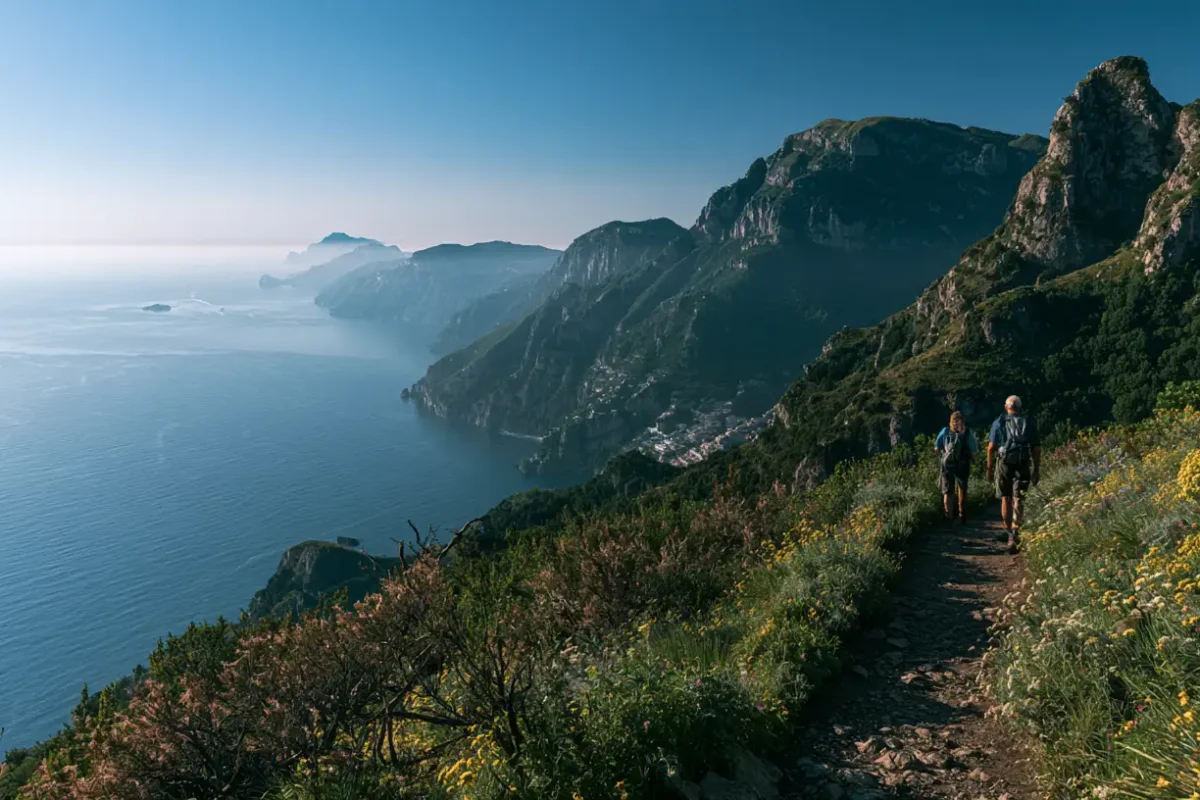
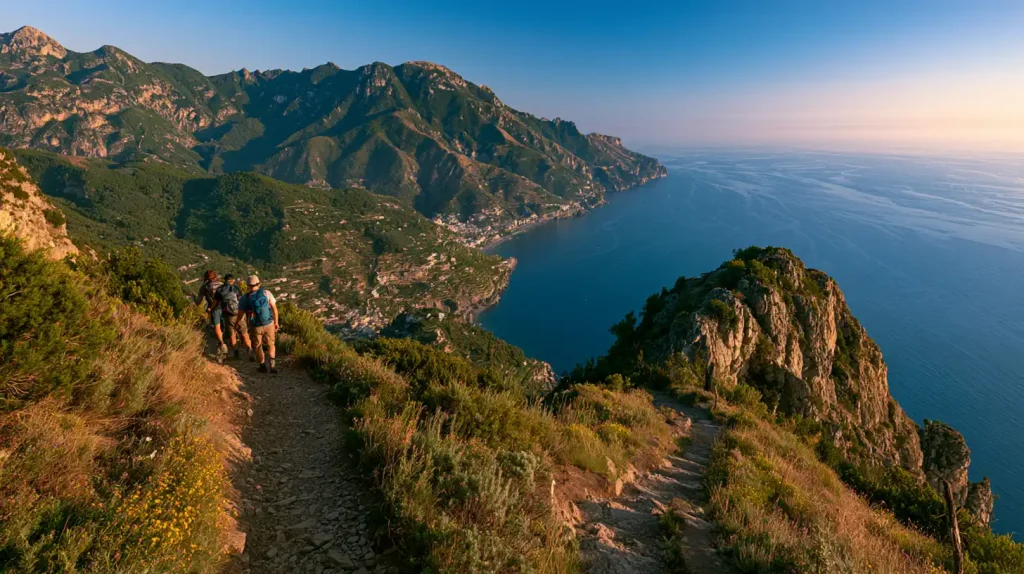
The Path of the Gods — the ridge hike from Bomerano down to Positano — costs only the SITA bus fare to reach the trailhead. The hike itself is free and one of the best activities on the entire coast. About 7-8 kilometers, 3-4 hours. Do it in May, September, or October; too hot in July-August.
Every village on the coast has viewpoints that cost nothing. The Belvedere di San Francesco above Amalfi. Via Cristoforo Colombo in Positano. The terrace outside the Church of San Gennaro in Praiano. These views are the same views as from the hotel terraces that cost €300 per night. You just walk to them instead.
Atrani’s small beach and piazza are free. Walking to Atrani from Amalfi through the pedestrian tunnel takes five minutes. Most tourists do not do it.
The Valle dei Mulini walk above Amalfi town costs nothing (the museum at the end is €1-2 EUR). Thirty minutes, green and cool, completely free.
Eating Well for Less
The Amalfi Coast is not a place to scrimp on food. The seafood, the pasta, the lemons — this is a food destination. But you can eat very well without paying tourist prices.
The one-street rule: Walk one street uphill from any waterfront promenade and the prices drop noticeably. In Amalfi town, the restaurants on the side streets running up toward the Valle dei Mulini charge €3-6 less per dish than the restaurants facing the harbor. The quality is often identical or better — the waterfront premium is for the view, not the cooking.
Pizzerias are your friend. Naples is 70 kilometers away and its influence is strong. A proper pizza Margherita in a local pizzeria in Amalfi or Minori costs €8-11. This is a full meal.
Eat at lunch, not dinner. Many restaurants offer a fixed lunch menu (menu del giorno) for €12-18 that includes primo, secondo, and sometimes bread and a glass of wine. The same dishes à la carte at dinner cost significantly more.
Fritti from bars. A paper cone of mixed fried seafood or a potato croquette at a bar counter costs €2-4. Not a meal, but a very good snack. Common in Amalfi town and Cetara.
Supermarkets exist. Amalfi has a small Conad supermarket near the bus station. Minori and Maiori have local grocery shops. A picnic lunch of local bread, mozzarella, cherry tomatoes, and a peach costs about €6-8 and tastes better with a coastal view than any restaurant meal.
Transport: Bus Over Ferry Unless You Have Time to Kill
Ferries are wonderful on the Amalfi Coast. They are also expensive relative to the bus. A Positano-to-Amalfi ferry costs around €10-12 each way. The SITA bus covering the same route costs €1.80-2.50.
For daily movement between towns, the bus is the budget choice. It is slower — 30-50 minutes compared to 20-25 minutes by ferry — and it is crowded in peak season. But the coastal road views from a bus window are not bad, and the €8-10 daily saving across multiple journeys adds up fast over a three-day visit.
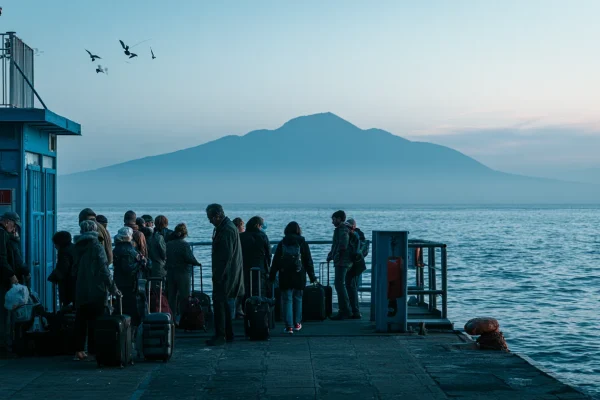
Where ferries make sense even on a budget: the Amalfi-to-Capri trip, because there is no bus alternative. And occasionally as an afternoon treat — taking the ferry back from Positano to Amalfi instead of the bus is the kind of small splurge that does not break anything and gives you 25 minutes on the water at sunset.
A practical note on the bus: validate your ticket immediately when you board. Ticket inspectors on the coast routes are regular, and the fine for an unvalidated ticket starts at roughly €40. Buy tickets in advance at tabaccherie (tobacco shops) or bars — you cannot buy them on the bus.
The Cover Charge and When It Appears
One cost that surprises budget travelers: the coperto, or cover charge, which appears on restaurant bills as an additional charge per person (typically €2-4) just for sitting down at the table. It is legal, common, and not something you can avoid in a sit-down restaurant.
At a coastal restaurant in Positano, the coperto can be €4-6 per person on top of the already elevated menu prices. At a side-street trattoria in Amalfi or Minori, it is often €1.50-2.
You avoid the coperto entirely by eating at bars standing at the counter or ordering food to take away. Most pizza places sell slices to go (pizza al taglio) at around €2.50-3.50 per slice — no cover charge, no service pressure, eaten on a wall overlooking the sea.
Also worth knowing: tourist menus (menu turistico), when offered, usually include the coperto in the stated price. If you see a set-price lunch for €15 that includes primo, secondo, and water, the cover charge is typically already folded in. This represents good value on the coast.
Limoncello, Ceramics, and Avoiding the Tourist Tax
The shops along the Amalfi Coast waterfront sell a version of everything at a premium: limoncello at €15-25 per bottle, ceramic plates and tiles at €20-60, handmade sandals at €80-200, and paper goods at €10-40.
Most of this is fine quality but tourist-priced. If you want limoncello, buy it at a grocery store or at a smaller producer slightly off the main strip — the same bottle often costs €8-12 there. The ceramic shops up the side streets in Amalfi charge less than the ones directly facing the piazza.
Sandals are a genuinely local product in Positano and worth buying if you are in the market. Prices are what they are — budget €50-80 for decent handmade leather sandals. Do not bargain in tourist shops; it is not the culture here.
Timing: When to Go for Lower Costs
Prices on the Amalfi Coast follow a clear seasonal curve.
July-August: peak prices, peak crowds. Accommodation runs 40-70% higher than shoulder season. Restaurants are full and less inclined to discount. Ferries sell out. This is the time to avoid if budget is a concern.
May-June and September-October: shoulder season. Prices drop 20-30% on accommodation. Restaurants accept walk-ins. Ferry services fully running. Weather good. This is the best balance of cost and experience.
November-March: prices drop 50-70% on what’s still open. But significant parts of the coast close for winter — seasonal restaurants, many hotels, and most ferry services. Worth considering for a low-budget visit if you accept a quieter, more limited experience.
FAQ
Is the Amalfi Coast too expensive for budget travelers?
Not if you base outside Positano, eat away from main waterfronts, and use SITA buses. A realistic minimum is around €80-100 per person per day. For comparison, a similar coastal destination like the Algarve in Portugal runs €50-70/day and Croatia’s Dalmatian Coast can be done at €55-75/day. The Amalfi Coast is genuinely more expensive. But it delivers a level of scenery and food culture that justifies careful budget allocation rather than avoidance.
What is the cheapest town to stay on the Amalfi Coast?
Maiori and Minori are the cheapest bases on the coast itself. Salerno (a larger city at the eastern end) and Sorrento offer the cheapest overall accommodation with easy coast access.
Can you visit the Amalfi Coast for free?
The villages, beaches, viewpoints, and hikes (including the Path of the Gods) cost nothing to visit. You pay for accommodation, food, transport, and entrance to the paid attractions (villas in Ravello, Blue Grotto, etc.).
Is buying a SITA bus day pass worth it?
A 24-hour SITA bus pass costs around €10 and covers unlimited rides. Worth it if you are moving between three or more stops in a day. For one or two bus journeys, individual tickets work out cheaper.
What is the minimum budget per day for the Amalfi Coast?
Roughly €80-100 per person per day for a budget trip — covering a guesthouse bed, bus transport, supermarket lunches, and one trattoria dinner per day. Anything below that requires a hostel dorm (rare on the coast, more available in Sorrento or Salerno) or a very austere approach to eating. It is possible at €65-75/day if you stay in Salerno and eat street food and picnics, but you spend more time commuting. Most budget travelers find €90-110/day sustainable and enjoyable.