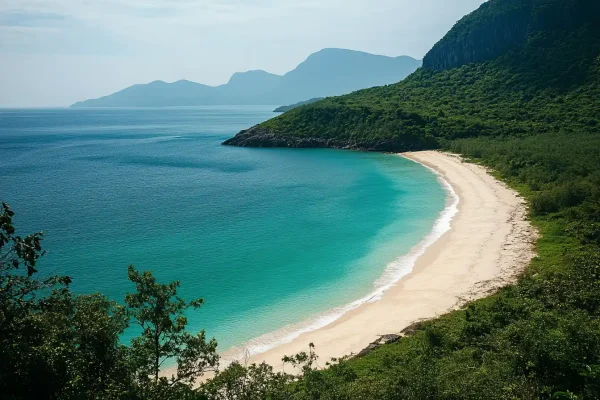
In the far south of Laos, where the Mekong spreads across the Cambodian border into a delta of perhaps 4,000 islands — Si Phan Don in Lao, literally “Four Thousand Islands” — the river becomes a world unto itself. Three islands are reachable by tourists: Don Khong (the largest, quietest, and most local), Don Det (the backpacker island, hammocks and Beerlao and cheap bungalows), and Don Khon (slightly more grown-up, with a French colonial railway ruin, waterfalls, and one of the last remaining Irrawaddy dolphin populations in the Mekong). Most travelers pick Don Det and stay. The smarter move, or at least the different move, is Don Khong — a farming island of 55,000 people that barely registers on tourist maps, where you rent a bicycle and ride through rice paddies for hours without passing another foreigner.
| Best time to visit | November–April (dry season); December–February ideal |
|---|---|
| Getting there | Bus/minivan from Pakse (~2.5 hrs) to Nakasong or Ban Hat Xai Khoun, then ferry |
| Budget per day | $15–35 USD — one of the cheapest places in Southeast Asia |
| Visa for Americans | e-Visa required; $35 USD at laoevisa.gov.la |
| Language | Lao; very limited English outside guesthouses — more basic than elsewhere in Laos |
| Currency | Lao Kip (LAK); no ATMs on most islands — bring enough cash from Pakse |
Which Island Should You Choose?
This is the actual decision of Si Phan Don. The experience is completely different on each island:
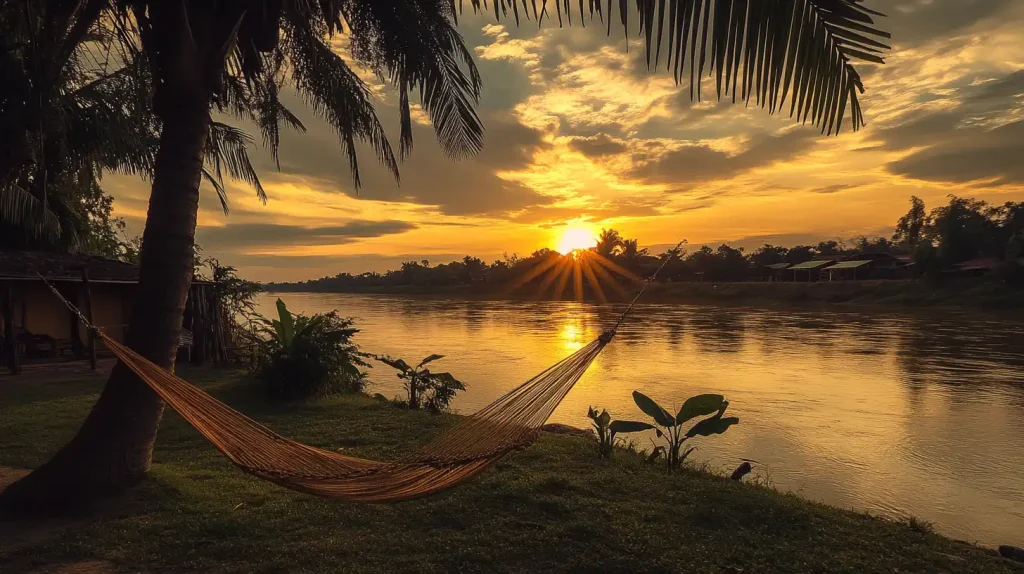
Don Det is the backpacker island — cheap bamboo bungalows ($5–12/night), restaurants with banana pancakes and Western food, a sunset bar scene, hammocks over the river. It’s social, it’s cheap, and it can feel like a bubble that has nothing to do with Laos. If you want to meet other travelers and decompress in a hammock for three days, this works perfectly. Don’t expect to feel like you’ve discovered something local.
Don Khon is connected to Don Det by a French colonial-era bridge and a short walk. It’s quieter with better accommodation options, the Khone Phapheng waterfall nearby, some colonial ruins, and the dolphin-spotting boat trips into the Cambodian border waters. More considered atmosphere than Don Det with similar price points.
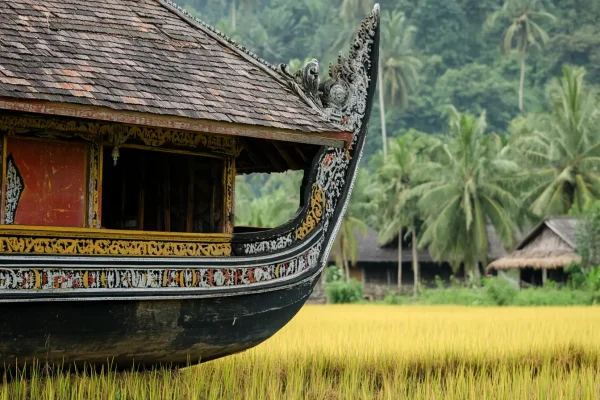
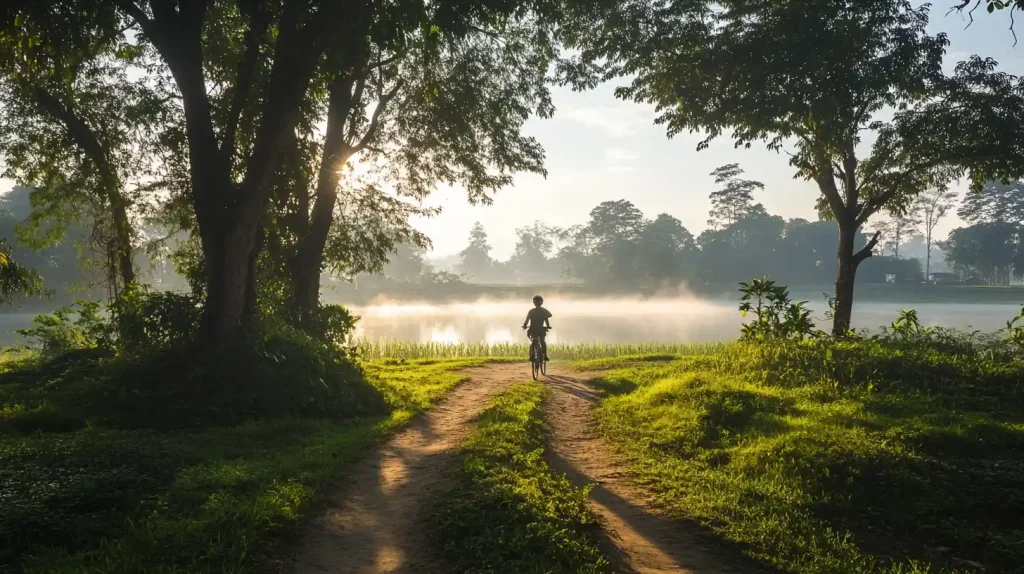
Don Khong is the island most guides barely mention and the best reason to slow down. The largest island in Si Phan Don, it’s a genuine farming community — rice, vegetables, cattle — connected to the mainland by regular ferry from Ban Hat Xai Khoun. Muang Khong town has a few guesthouses, a simple market, and monks doing their morning rounds at dawn. Rent a bicycle and circumnavigate the island (25km, mostly flat, takes half a day) through villages that have no particular interest in tourism. This is what Laos actually looks like.
Khone Phapheng and the Irrawaddy Dolphins
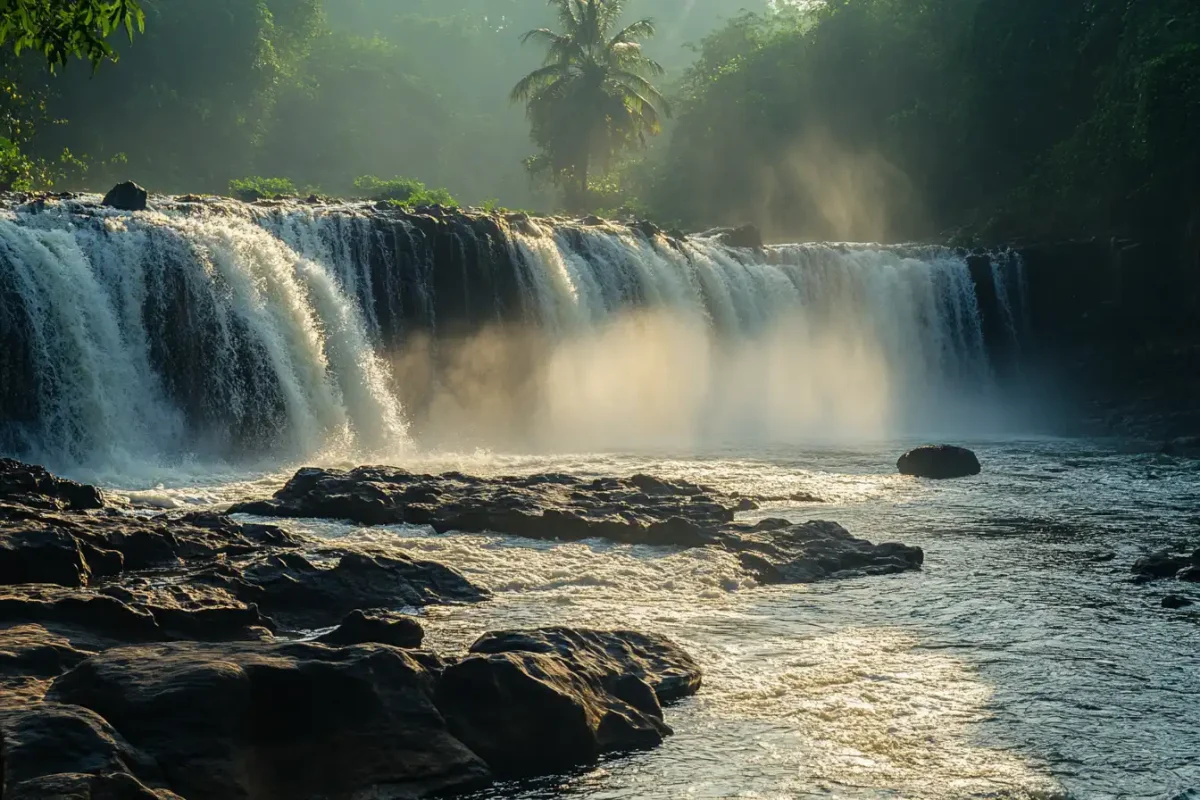
Near the Cambodian border, Khone Phapheng is Southeast Asia’s largest waterfall by volume — not height (it’s wide and thunderous rather than tall), but an impressive cascade in the dry season and genuinely dramatic in high water. Entry 55,000 LAK ($2.60 USD). Access from Don Khon by bicycle or tuk-tuk.
The Irrawaddy dolphin, a critically endangered freshwater dolphin species, survives in a small population in the Mekong around the Cambodian border. Boat trips from Don Khon specifically to spot dolphins run for about $10–15 per person — sightings are not guaranteed but common enough in the dry season (November–April) when the dolphins are concentrated in deeper channels. The population is estimated at fewer than 100 individuals in the entire Mekong. Seeing one at close range is a genuine privilege.
The French Colonial Railway
Between Don Det and Don Khon, a bridge built by the French in 1893 crosses a turbulent channel. On Don Khon, the ruins of the narrow-gauge railway the French built to bypass the Khone falls — the only railway ever built in Laos, operational from 1893 to 1940 — are still visible: rusted tracks, an old locomotive on a plinth in the village, and the concrete pillars of the original rail bridge. The French needed to move goods around the uncrossable falls section to continue Mekong navigation; the railway was their solution. It ran for less than 50 years. The ruins are atmospheric and free.
Getting to Si Phan Don from the US
Fly to Bangkok (BKK) from major US hubs — typically $700–1,000 round trip. From Bangkok, take an overnight bus or fly to Pakse (PKZ) in southern Laos — Lao Airlines or Bangkok Airways fly this route in about 1 hour from Bangkok or Vientiane. From Pakse, a bus or shared minivan to Nakasong (for Don Det/Don Khon) or Ban Hat Xai Khoun (for Don Khong) takes about 2–2.5 hours and costs $3–6 USD. Ferry to the islands runs throughout the day.
Note: Si Phan Don is a logical stop on a north-south Laos itinerary or on the overland route between Laos and Cambodia. The Laos-Cambodia border crossing at Veun Kham/Dom Kralor near Don Det is an official crossing open to foreigners.
Where to Stay
Budget ($5–15/night): Don Det has dozens of basic bamboo bungalow guesthouses on both the sunrise and sunset sides of the island. Namkhong Guesthouse has consistently good reviews and the best sunset-side deck for evening beers.
Mid-range ($25–55/night): Don Khon has better mid-range options — Sala Don Khone (converted French colonial building, good restaurant, atmospheric) and a few boutique guesthouses.
Don Khong: Basic guesthouses in Muang Khong for $10–20/night. The Pon’s River Guesthouse is the most reviewed option — nothing fancy, but clean, river views, genuinely local atmosphere.
Practical Tips
No ATMs on Don Det or Don Khon. Two ATMs reportedly exist on Don Khong. Withdraw enough cash in Pakse for your entire islands stay plus 20% buffer. USD is sometimes accepted at guesthouses; Kip is needed for markets and smaller purchases. The 6% cash-advance fee charged by some guesthouses is not a good deal.
Bicycle rental runs 10,000–25,000 LAK ($0.50–1.20 USD) per day on all three islands. This is genuinely the right way to explore — the islands are flat, the roads are dirt, the pace is correct for a bicycle. Don Khong’s 25km circuit on a bicycle at 8am is among the more peaceful mornings available in Southeast Asia.
Frequently Asked Questions
What are the 4000 Islands in Laos?
Si Phan Don (“Four Thousand Islands” in Lao) is a river archipelago in the Mekong near the Cambodian border in southern Laos. The Mekong spreads across a wide delta here, forming hundreds to thousands of islands depending on the season. Three are accessible to tourists: Don Khong (largest, quietest), Don Det (backpacker-oriented), and Don Khon (colonial ruins, dolphins, waterfalls).
Is Don Det or Don Khon better for staying?
Depends what you want. Don Det is cheaper and more social — it’s the backpacker hub with sunset bars and cheap bungalows. Don Khon is quieter with slightly better mid-range accommodation, proximity to the dolphin-spotting boat trips, and the French colonial railway ruins. They’re connected by a bridge so you can visit both regardless of where you stay. Don Khong is the local island worth staying on if you want to avoid the backpacker scene entirely.
Can I see Irrawaddy dolphins at the 4000 Islands?
Yes — boat trips from Don Khon to the dolphin pool near the Cambodian border run for $10–15 per person. Sightings are common in the dry season (November–April) when dolphins concentrate in deeper channels. The Irrawaddy dolphin is critically endangered; fewer than 100 remain in the Mekong. Sightings are not guaranteed but frequent enough to be worth the trip.
How much cash should I bring to the 4000 Islands?
There are no reliable ATMs on Don Det or Don Khon. Withdraw enough Lao Kip and/or USD in Pakse for your entire stay including accommodation, food, activities, and transport. Budget $15–25 USD per day as a comfortable estimate, more if you’re staying in mid-range accommodation. Don’t rely on card payments or cash advances from guesthouses — their exchange rates are poor.
When is the best time to visit Si Phan Don?
November through April. The dry season (November–April) has the best weather, clearest water, and dolphin sightings. December and January are the most comfortable — warm but not oppressively hot, with low humidity. May through October is the rainy season — some smaller islands flood, Khone Phapheng is at its most dramatic volume but access can be limited, and the dolphin-spotting conditions deteriorate.