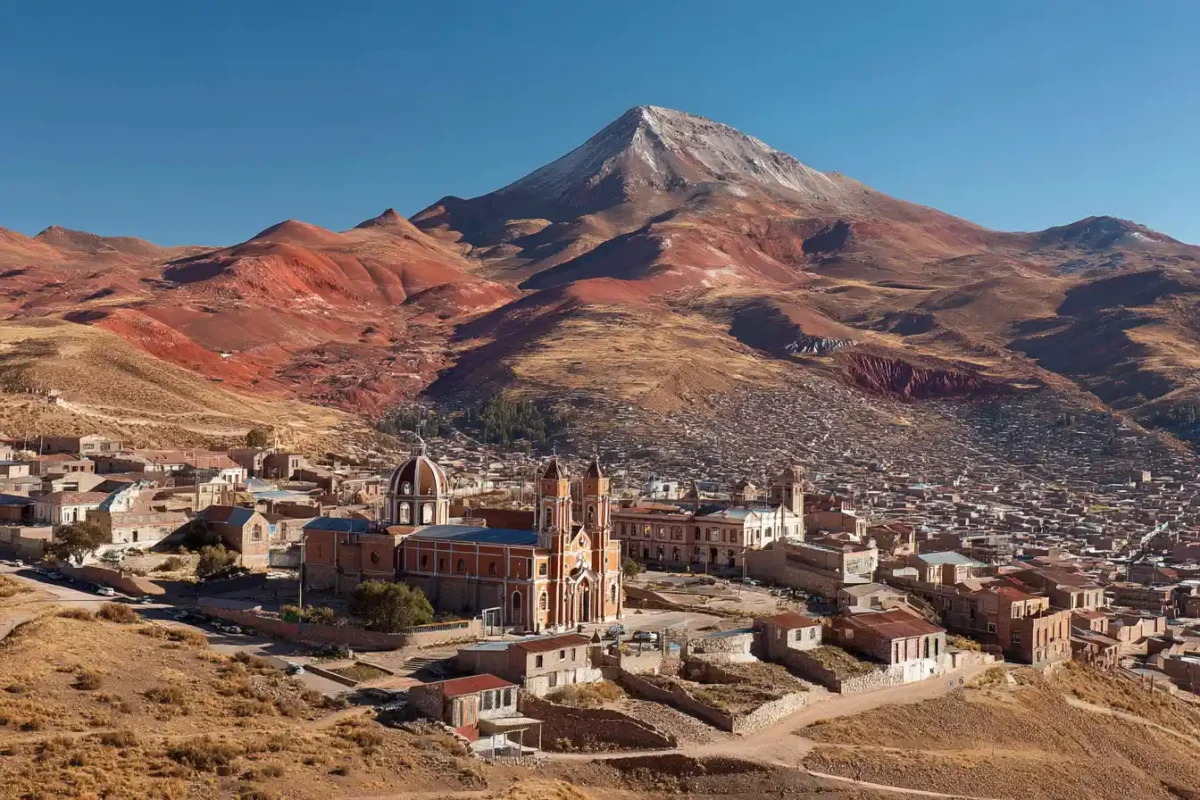
At 13,400 feet above sea level, Potosí is one of the highest cities on Earth. The altitude hits you before the history does — you step off the bus from Sucre and your legs feel like someone replaced the air with cotton wool. Give it a day. Then go to Cerro Rico.
| Best time to visit | May–October (dry season) |
|---|---|
| Getting there | Bus from Sucre (3 hrs) or Uyuni (4 hrs); no functional airport |
| Budget per day | $30–50 USD (budget), $60–100 (mid-range) |
| Visa for Americans | No visa required for stays up to 90 days |
| Language | Spanish; some English in tourism |
| Currency | Bolivianos (BOB); carry cash, ATMs unreliable |
Is Potosí Worth It?
Yes, but not for reasons most travel blogs admit. The mine tour itself is not comfortable. You crouch through tunnels where the air tastes of dust and dynamite fumes, the temperature swings between furnace-hot near the working faces and cold in the deeper shafts, and the whole experience carries a weight that tourist attractions rarely do — because the men down there are not staging anything. This is their working day. You are the visitor inside someone’s genuinely dangerous livelihood. If you want a safe, sanitized underground experience, go to Wieliczka Salt Mine in Poland. If you want something real, come here.
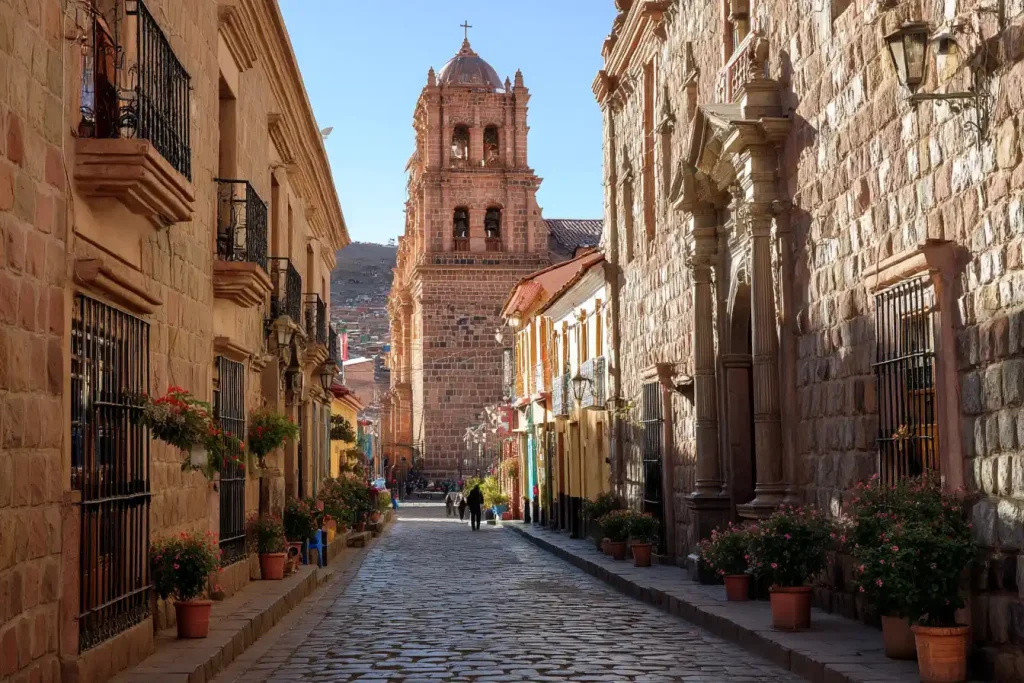
The city itself is a UNESCO World Heritage Site with colonial architecture to rival Sucre — but nobody goes to Potosí for the architecture. They come for the mountain. Just make sure you spend at least one full day acclimatizing before you go underground. The altitude at the mine entrance is already around 14,000 feet. Rushing into a poorly-ventilated tunnel at that elevation is not a good idea.
The Cerro Rico Mine Tour: What to Expect
Tours run in the morning (9am start) and early afternoon (2pm start) from offices around the Plaza 10 de Noviembre. The half-day tour runs about 4 hours total including transport, gear fitting, and the mine visit itself. Koala Tours and Bigdeal Tours are both reputable; expect to pay $15–25 USD per person for a shared tour. Private tours run $40–60 USD.
Before you enter the mine, your group stops at the miners’ market — a short strip of stalls near the base of Cerro Rico. This is where you buy gifts for the miners you’ll meet inside: coca leaves, bottled water, 96% pure alcohol (not a typo), or dynamite and fuses you can buy openly at a market stall for about $3. The dynamite purchase tends to stick in memory.
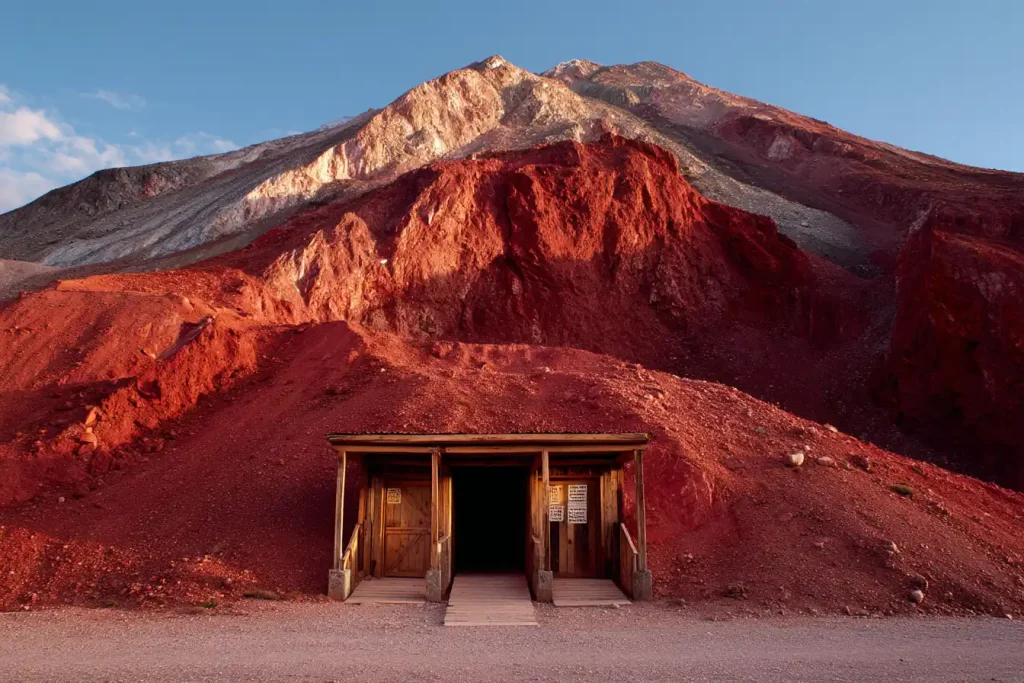
Inside, the tunnels narrow quickly. The air gets thick. Near the working faces, dust hangs heavy enough to make a headlamp beam visible. Your guide introduces you to El Tío — a horned clay figure seated at a junction who the miners believe controls what happens underground. They leave him offerings of coca leaves, cigarettes, and alcohol. He gets the 96% stuff.
You’ll meet working miners. Briefly. They’re polite but focused. The work is brutal — pneumatic drills, pushing carts, hauling loads by hand — and the average miner’s life expectancy is dramatically shortened by silicosis and the general conditions. Your guide will tell you this plainly. The best guides were former miners themselves.
One thing I didn’t expect: the darkness between headlamp beams is absolute. Your eyes don’t adjust to it the way they adjust to a dim room. It’s just black. Some people find that claustrophobic. Know that about yourself before going.
Physically: you need to crouch, crawl in some sections, and handle a steep ladder or two. If you’re over six feet, some passages will require getting on hands and knees. If you have even mild claustrophobia, think carefully. The tour typically enters to the second or third level — not the deepest sections.
The Casa de la Moneda (Royal Mint)
If the mine is the reason most people come to Potosí, the Casa de la Moneda is the reason they stay an extra night. Built in 1773 to replace an earlier structure, it’s one of the best colonial museums in all of South America. Entry costs about $10 USD and includes a guided tour — go with the Spanish guide even if you don’t speak the language well, because the English groups are smaller and the guide goes deeper. The big draw inside is the enormous wooden horse-driven silver press — the mules who powered it were kept in the basement, never seeing sunlight, until they went blind. The museum takes 2–3 hours to do properly. Don’t rush it.
Hours: Monday–Saturday 9am–12pm and 2–6pm; Sunday 9am–noon. Closed Monday mornings.
Getting to Potosí from the US
The nearest US gateway is Miami, which connects to La Paz via LATAM or Avianca (expect $600–900 round trip, one stop). From La Paz, buses to Potosí run overnight and cost about $15–20 USD for a semi-cama seat — the ride takes 8–10 hours through high Andean terrain. Alternatively, fly La Paz to Sucre on Boliviana de Aviación (about $70–100 one way) and take the shorter bus from Sucre to Potosí (3 hours, $5 USD). Sucre is a much more comfortable acclimatization point than jumping straight to Potosí anyway.
There is no functional commercial airport in Potosí itself — this is not a place you fly into directly.
Where to Stay
Budget ($10–20/night): Hostal Eucalyptus — the rooftop terrace with views of Cerro Rico is the best thing about it, not the rooms, but the location is solid and the beds are fine. Dorms available from $8 USD.
Mid-range ($40–70/night): Hotel Santa Mónica — colonial courtyard, good breakfast, central location, reliable hot water. Potosí nights get cold; the hot water matters more than you think.
Splurge ($80+/night): Hostal La Casona — renovated colonial mansion, courtyard, four-poster beds. Still not expensive by international standards.
Best Time to Visit
May through October is the dry season and the clear choice. Days are sunny, roads are reliable, and the mine tour is more manageable without wet tunnels. November through April is the rainy season — not impossible, but roads to Uyuni can flood and the higher altitude areas become unpredictable. If you’re combining Potosí with Uyuni and Sucre (the logical circuit), dry season is essentially mandatory for the salt flats anyway. Peak US travel periods (summer, spring break) coincide with Bolivian shoulder season — not a bad combination, as prices stay reasonable year-round.
Practical Tips
Altitude is the main variable in how much you enjoy Potosí. Spend at least one night in Sucre (2,750m) before coming here. Don’t exercise hard on day one. Drink coca tea — the hotel will have it. Ibuprofen helps headaches more than aspirin for altitude. If you feel genuinely unwell (not just tired), descend.
Carry cash. ATMs in Potosí dispense bolivianos and sometimes run dry on weekends. There are a couple near the main plaza that take Visa. Budget about $25–30 USD equivalent per day for accommodation, food, and local transport.
The mine tours require you to wear a helmet and headlamp (provided), overalls (provided), and rubber boots (provided or bring your own). Wear clothes you don’t mind getting very dirty.
Safety: Potosí is not a dangerous city for tourists, but like any city in Bolivia, keep your phone out of sight and your bag close in markets. The plaza area is safe at night.
The single thing most tourists get wrong: rushing the mine tour on their first full day. Your body needs time at altitude. Wait at least 24 hours after arriving before going underground.
Frequently Asked Questions
Is the Potosí mine tour safe?
Safe enough for most healthy adults who aren’t claustrophobic. The mines are active working operations, not tourist caves — which means dynamite blasts happen, air quality is poor, and passages are unstable in places. Reputable tour companies (Koala Tours, Bigdeal) have good safety records. If you have breathing issues, heart conditions, or claustrophobia, skip it.
How much does the Cerro Rico mine tour cost in 2026?
Standard shared tours run $15–25 USD per person for a half-day. Private tours are $40–60 USD. The price includes transport, gear, and guide. You’ll also spend about $3–5 USD on gifts for miners at the market before entering.
How long should I spend in Potosí?
Two nights is the sweet spot. Day one: acclimatize, walk the city, visit the Casa de la Moneda. Day two: mine tour in the morning. That’s enough to see the main things without pushing your body too hard at altitude. Three nights if you want to explore the surrounding area or recover properly.
What is the altitude of Potosí and will it affect me?
The city center sits at about 4,067 meters (13,350 feet). Most visitors feel it — headaches, shortness of breath, tiredness. Ascending to the mine entrance adds another few hundred feet. The effects are manageable for most people with proper acclimatization time and hydration. Flying in from sea level the day before your mine tour is not recommended.
Is Potosí worth visiting without doing the mine tour?
Honestly, not really, unless colonial museum architecture genuinely moves you. The Casa de la Moneda is excellent, but Potosí’s entire identity — the city’s existence, its history, its present — comes from Cerro Rico. Skip the mine and you’re seeing the aftermath without the event. If the mine doesn’t interest you, spend your time in Sucre instead.