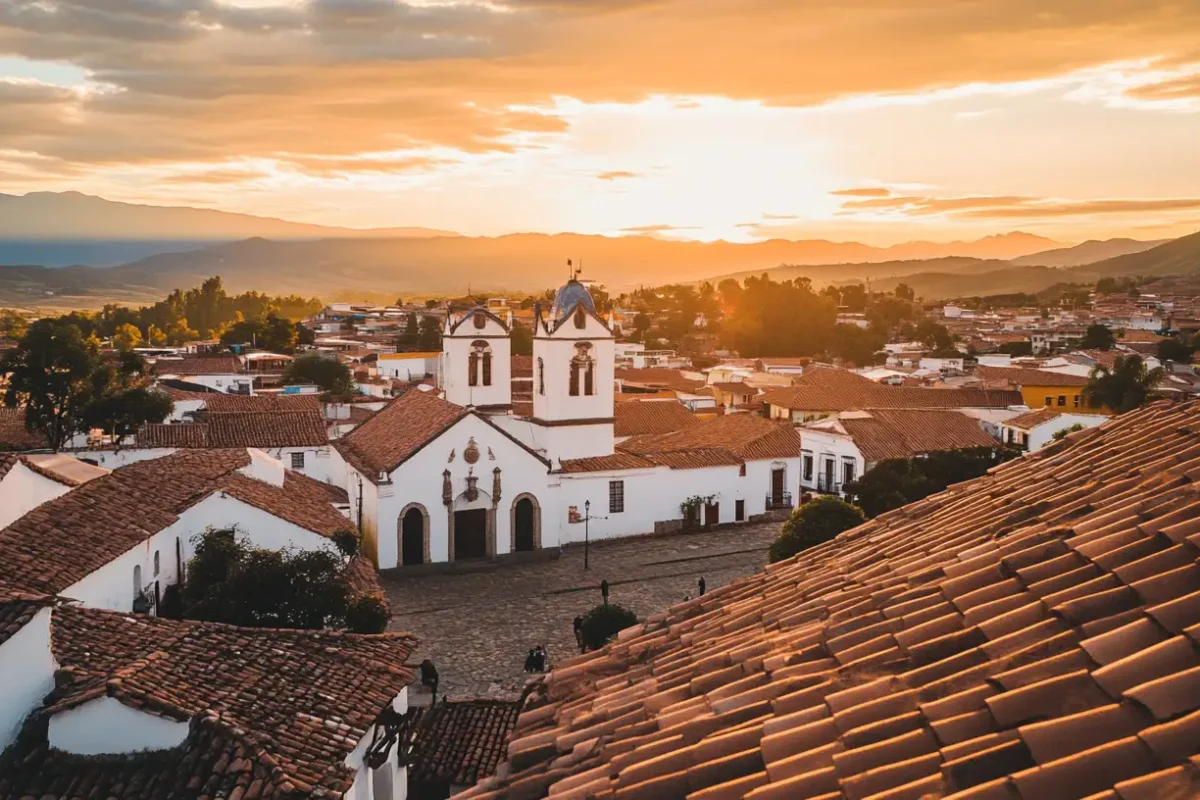
Sucre is the constitutional capital of Bolivia — not La Paz, which is the seat of government but not the official capital, a distinction the residents of Sucre correct patiently and with some satisfaction. It sits at 2,800 meters in a valley of the southern Andes, surrounded by low mountains, with a colonial center of white-plastered buildings and orange terracotta roofs that earned it both a UNESCO designation in 1991 and the nickname La Ciudad Blanca. It is genuinely beautiful. It is also cheap, has excellent Spanish language schools, contains 68 million-year-old dinosaur footprints in a working cement quarry, and produces some of the finest chocolate in Bolivia. Most itineraries skip it in favor of Potosí or the Uyuni salt flats. That’s the right call only if you’re tight on time; if you have three days to spare, Sucre is one of South America’s most rewarding smaller cities.
| Best time to visit | May–October (dry season); April–October ideal; November–March rains |
|---|---|
| Getting there | Fly from Santa Cruz (45 min) or La Paz (1 hr); or bus from Potosí (3 hrs) |
| Budget per day | $30–60 USD — one of South America’s most affordable cities |
| Visa for Americans | No visa required; 90 days on arrival |
| Language | Spanish; minimal English outside hotels and language schools |
| Currency | Boliviano (BOB); ~7 BOB to $1 USD; cash dominant |
Is Sucre Worth the Detour?
For Bolivia travelers who can afford an extra two to three days — yes. Sucre offers a much more livable city experience than La Paz (less altitude, less chaos, better infrastructure), a colonial center that rewards slow walking, one of the most extraordinary day trip options in Bolivia (Maragua Crater and dinosaur footprints), and a Spanish-language school scene that keeps younger travelers resident for weeks. The food is better than anywhere else in Bolivia. The coffee scene is modest by global standards but real by Bolivian ones. The altitude is high enough to feel in your lungs on arrival but not so high that it flattens you. If you’ve been to Potosí and need recovery before Uyuni, Sucre is the perfect reset.
The Plaza and Colonial Center
Plaza 25 de Mayo is the historic center — a large square with manicured gardens, the 16th-century Sucre Cathedral on one side, the Casa de la Libertad (House of Freedom) on another, and the daily life of the city flowing through it all day. The plaza is liveliest in the early evening when local families occupy the benches and vendors sell helados (ice cream) and peanuts. Sit here for 45 minutes before doing anything else and you’ll understand the city’s pace.
The Casa de la Libertad is where Bolivia’s independence was declared on August 6, 1825 — one of the most significant documents in South American history was signed in this building. Museum entry is 15 BOB ($2 USD). The original declaration is displayed inside, along with portraits of the independence leaders and Simon Bolivar, after whom the country is named.
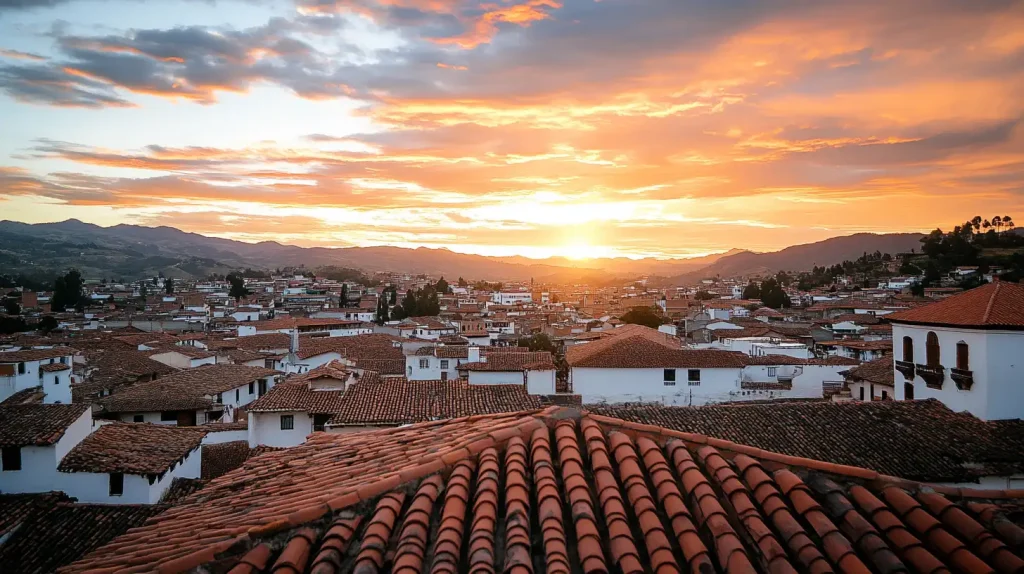
Convento San Felipe de Neri — a 17th-century monastery that’s now a primary school — offers roof access in the late afternoon for about 15 BOB ($2 USD). This is the best view over the white city: the entire colonial center laid out below, church towers, terracotta rooftops, the surrounding valley green and brown beyond. Go at 4:30pm when the light is directly onto the white facades. Ring the bell several times if nobody answers.
Parque Cretácico: Dinosaur Footprints
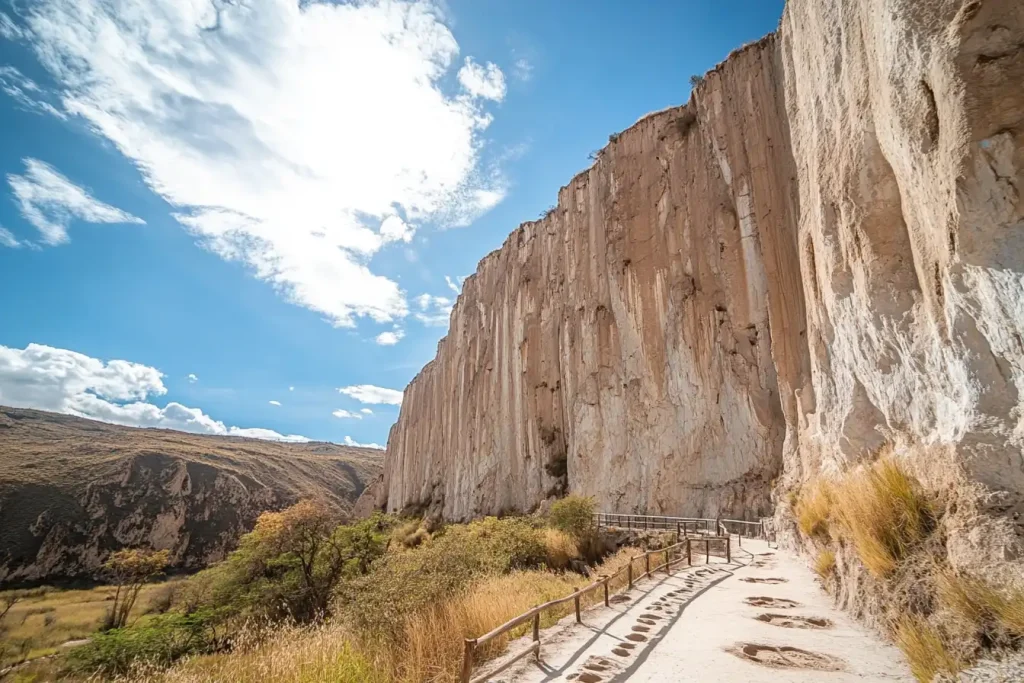
Five kilometers from the city center, a working cement quarry exposes a limestone wall of 68-million-year-old dinosaur footprints — over 5,000 individual prints from at least eight different species, embedded in a near-vertical cliff face. The scale is enormous: the wall is 1.5km long and 80 meters high. Life-sized dinosaur replicas stand along the observation walkways, the interpretive center is genuinely good, and the incongruity of paleontological wonder adjacent to active industrial quarrying is itself interesting. Entry 30 BOB ($4.30 USD), or take the Dino Bus from the city center (red double-decker, departs Tuesdays–Sundays at 11am and 3pm, 15 BOB round trip).
Maragua Crater Day Trip
About 60km northeast of Sucre, the Maragua Crater is a remote highland depression of colored mountains — terracotta, cream, green, and rust — surrounding a small agricultural community. The drive itself (partly paved, partly dirt road) passes through Chataquila, where a section of original Inca road is preserved. A full day trip combining the crater, the Inca road, and the Niñu Mayu dinosaur trail (a different trackway site from the Cretaceous Park) costs about $30–50 per person with a guide from Sucre’s travel agencies. A 4WD is required for parts of the route. The landscape is extraordinary and the crowds are essentially zero.
Food and Markets
Mercado Central is the city’s covered market — fresh produce from the surrounding highlands, cooked food stalls serving the daily almuerzo (set lunch: soup, main, drink) for 15–25 BOB ($2–3.50 USD). The juices from fresh Bolivian fruits (maracuya, tumbo, banana) at the juice stalls cost 5–8 BOB ($0.70–1.15 USD). Breakfast at any market stall runs under $1.50.
For a higher-end experience: Condor Café is the most reliable restaurant in the tourist zone — soups, pasta, Bolivian classics, and the best coffee in the city ($2–4). El Huerto is the local institution for Bolivian cuisine in a colonial courtyard setting — slightly more expensive at $6–12 per main but the sopa de maní (peanut soup) and saltenas (empanadas) are definitively excellent.
Getting to Sucre from the US
Fly to Santa Cruz, Bolivia (VVI) via Miami or Lima on American, LATAM, or Boliviana de Aviación — round trips from US East Coast typically $700–1,000. From Santa Cruz, Amaszonas and Boliviana de Aviación fly to Sucre in 45 minutes ($40–70 one way). From La Paz, the flight is about 1 hour. Overland from Potosí takes 3 hours by bus ($3–5 USD) along a largely paved road — worth doing one way for the landscape if you’re combining the two cities.
Where to Stay
Budget ($12–25/night): Hostel Cultura and 7 Patas Hostel — both central, both social, both with kitchens. The quality of backpacker accommodation in Sucre is notably higher than in La Paz at comparable prices.
Mid-range ($40–70/night): La Selenita has panoramic city views that make the price reasonable. Hotel Boutique San Marcos in a converted colonial mansion is well-reviewed for value.
Splurge ($90+/night): El Hotel de Su Merced — a 16th-century colonial building with a rooftop terrace overlooking the city center, the best accommodation in Sucre, genuinely luxurious by Bolivian standards and affordable by international ones.
Frequently Asked Questions
Is Sucre or Potosí worth visiting?
Both, if time allows. Potosí is historically significant (the silver mines that funded the Spanish Empire for 200 years) and visually dramatic — a high, bleak industrial city at 4,090m. Sucre is more beautiful, more livable, at lower altitude, and has better food. A common circuit combines both: Sucre first, then Potosí, then the Uyuni salt flats. Alternatively, Potosí as a day trip from Sucre (3 hours each way) if you want to avoid staying in Potosí.
What is Sucre Bolivia famous for?
As Bolivia’s constitutional capital and birthplace of the country’s independence (declared August 6, 1825). The immaculately preserved white colonial architecture earned UNESCO designation in 1991. The Parque Cretácico outside the city contains over 5,000 dinosaur footprints from 68 million years ago. The city is known for its chocolate production, its affordable Spanish language schools, and being Bolivia’s most pleasant major city to spend time in.
How high is Sucre Bolivia and will I get altitude sickness?
Sucre sits at 2,800 meters (9,186 feet) — high enough to feel on arrival (shortness of breath on stairs, mild headache for some) but significantly lower than La Paz (3,600m) or Potosí (4,090m). Most visitors acclimatize within 24 hours. Drink lots of water, avoid heavy meals and alcohol on your first day, and take the first afternoon slowly. Acetazolamide (Diamox) is effective prophylactically if prescribed by a doctor before your trip.
What is the best way to see the dinosaur footprints in Sucre?
Take the Dino Bus — a red double-decker tourist bus that departs from near the city center Tuesdays–Sundays at 11am and 3pm, costs 15 BOB ($2.15 USD) for the round trip, and includes transportation to the Parque Cretácico. Entry to the park is 30 BOB additional. The Dino Bus allows enough time for the full visit. Taxis are also available (~50 BOB each way). Avoid going independently to the nearby working quarry area — stick to the official Parque Cretácico site.
How many days should I spend in Sucre Bolivia?
Two full days covers the colonial center, Casa de la Libertad, the Parque Cretácico, and the Convento San Felipe rooftop. Three days adds the Maragua Crater day trip and proper time in the central market. Spanish school students often stay 1–4 weeks. Sucre is a place that rewards staying longer rather than rushing through.