Costa Rica has two climates: the Pacific dry season (December–April, hot and clear) and the Caribbean/wet season (May–November, heavy afternoon rain on the Pacific side, reverse on the Caribbean). Most Americans book in December or over spring break without knowing that packing lists flip almost entirely depending on which side of the country you’re visiting and when. The single biggest mistake: bringing the wrong footwear. Pack waterproof hiking sandals and you can handle 90% of Costa Rica’s activities. Pack only trail runners and you’ll be miserable in the Caribbean mud. Pack only flip flops and you’ll miss half the rainforest.
| Best dry season (Pacific) | December–April; sunny, dusty, hot |
|---|---|
| Wet/green season | May–November; lush, cheaper, afternoon rain |
| Temperature range | Coasts: 26–34°C; highlands: 10–22°C |
| Visa for Americans | No visa required, up to 90 days |
| Currency | Costa Rican Colón (CRC); USD widely accepted |
| Budget per day | $80–150 USD mid-range; Costa Rica is not cheap |
The Core Packing List (Applies to Any Trip)
Footwear — Get This Right First
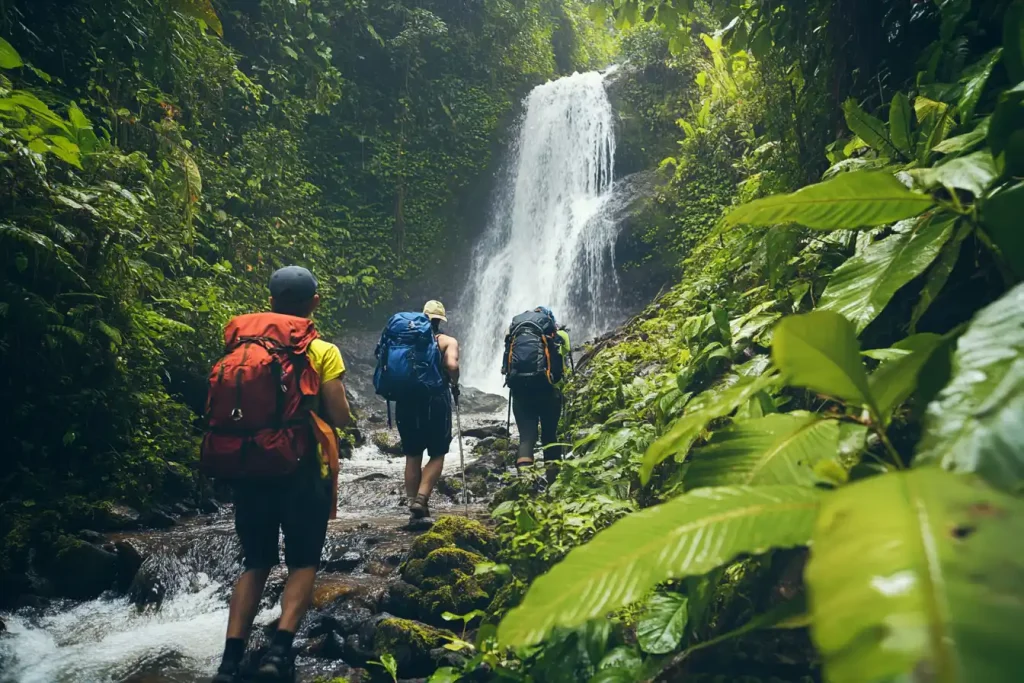
Pack two pairs: waterproof hiking sandals (Chacos or Tevas, not fashion sandals — the soles matter) and one pair of closed-toe waterproof trail shoes or light hiking boots. The sandals handle beach, casual walking, and muddy waterfall hikes where your feet will get wet regardless. The trail shoes handle Monteverde cloud forest, volcano hikes, and anything requiring ankle support. Leave your regular sneakers at home — they’ll be ruined by day three.
Clothing: Less Than You Think
Merino wool or moisture-wicking shirts dry fast and don’t smell after a humid day. Pack 3–4 quick-dry shirts, two pairs of quick-dry shorts or light pants, one pair of longer pants for highland evenings and mosquito coverage, one lightweight rain jacket (not a windbreaker — actual waterproof), one fleece or mid-layer for Monteverde and Arenal evenings (it gets genuinely cold at altitude), and swimwear. Leave jeans at home. Cotton retains moisture and takes all day to dry; it’s the wrong fabric for a country that sweats everything.
Rain Jacket: Non-Negotiable
Even in the dry season, late afternoon rain is common on the Pacific. In the wet season, it’s guaranteed. A cheap poncho folds to nothing and covers you and your bag. A proper waterproof jacket with hood is better for hikes. Don’t skip this — a soaked pack on a bus in the dark is a miserable experience that a $15 poncho from REI prevents entirely.
Daypack
A 20–25 liter waterproof daypack (or a regular pack with a rain cover) is the most useful single item after footwear. You’ll use it daily for beaches, hikes, and town walks. Pack it light — the heavier it is before you add water and sunscreen, the less you’ll want to carry it to the waterfall.
What to Pack by Region
Pacific Coast (Guanacaste, Manuel Antonio, Dominical)
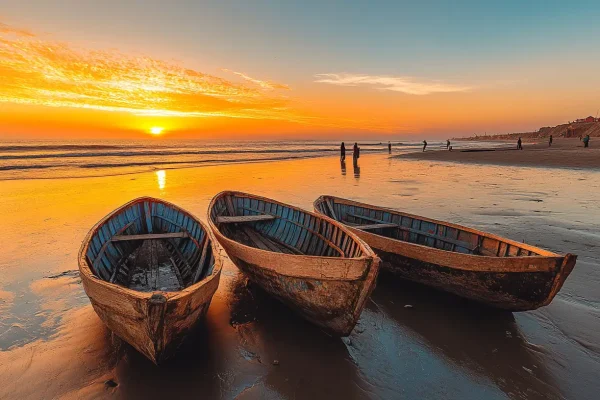
Peak dry season (Dec–April): Extra sunscreen. Lots of it. The UV index in Costa Rica frequently hits 12+ — the highest rating on the scale. SPF 50 and reapply every 90 minutes. Water shoes for rocky beach entries at Manuel Antonio. Insect repellent with DEET for dusk and dawn.
Wet season (May–Nov): The extra rain layer matters more. Pack a dry bag for your camera and phone — shuttle tours and zip-line companies won’t always have covers for sudden downpours.
Caribbean Coast (Puerto Viejo, Cahuita)
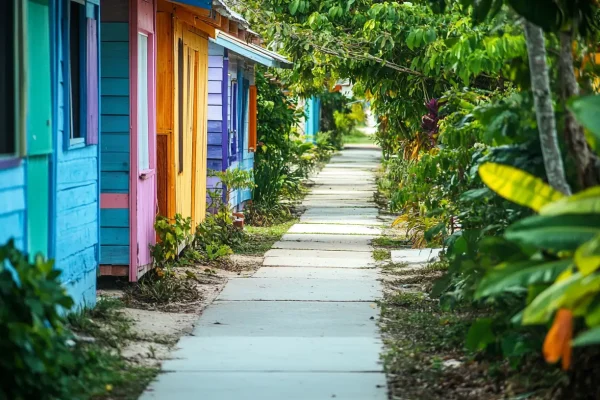
The Caribbean side is wetter year-round and the humidity is higher. Pack lighter clothes, mosquito repellent that you will actually use, and accept that nothing dries fast here. The best months Caribbean-side are February–March and September–October when it’s relatively dry — the inverse of the Pacific.
Highlands and Volcanoes (Arenal, Monteverde, Chirripó)
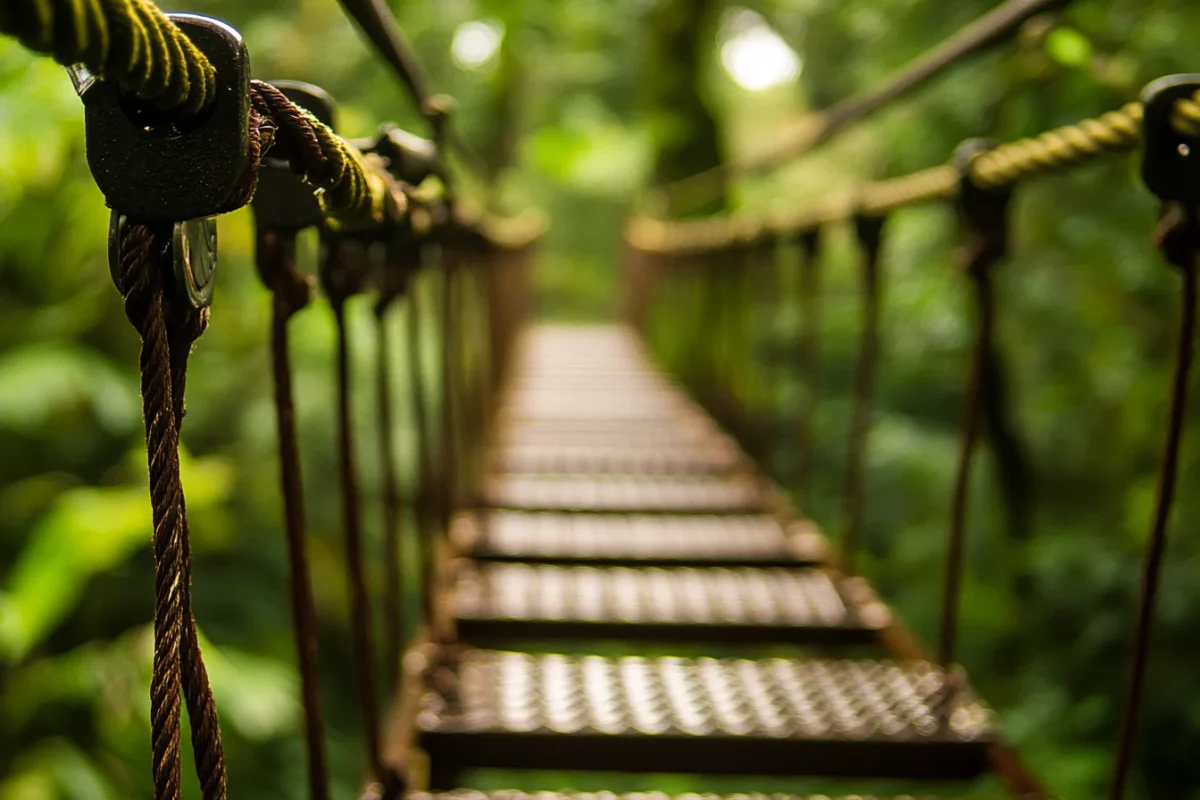
The cloud forest at Monteverde sits around 1,400m elevation and is genuinely cold and wet at night — I was there in March and wore a fleece most evenings. Pack that mid-layer. For Chirripó (Costa Rica’s highest peak, 3,821m), add a down jacket and thermal base layer. Arenal sits at lower elevation but evenings after 8pm require a light layer.
Tech and Health Essentials
Sunscreen and DEET insect repellent in large enough quantities — both are expensive in Costa Rica and the local versions are weak. Oral rehydration salts (Pedialyte powder packets) — not because the water isn’t safe in tourist areas, but because sweating all day in 30°C heat without consciously hydrating leads to dehydration that sneaks up on you. A portable water filter or purification tablets for remote areas. Travel insurance that covers emergency evacuation — Costa Rica is safe and has decent hospitals in San José, but remote areas like the Osa Peninsula are genuinely far from serious medical care.
Power adapter: Costa Rica uses the same type A/B outlets as the US — no adapter needed. USB-C charging cables for the jungle lodges that have limited outlets.
What NOT to Pack
Jeans. Heavy boots (unless doing Chirripó specifically). Multiple pairs of dress clothes — Costa Rica’s dress code everywhere is “clean casual.” A hair dryer — humidity makes it pointless. Expensive jewelry — it’s a target and you won’t wear it on a canopy tour. Camping gear unless you’re doing Corcovado National Park, where it’s required.
Luggage Strategy
Pack light. Seriously light. Costa Rica involves shuttles, small planes between domestic airports, boats, and rocky roads in 4×4 taxis. Oversized luggage is a liability. The ideal setup: a 35–40 liter backpack that fits in overhead bins and a 20-liter daypack. Do laundry every 3–4 days — every guesthouse has laundry service for $3–5 USD per load. You do not need 10 days of clothes.
Practical Tips
Zip-lock bags: bring a dozen. They keep documents dry in rain, organize small items in your pack, and protect your phone in a wet canopy tour. A single Ziploc between you and a ruined phone is worth the three seconds of packing them.
Cash in colones: some shuttle companies, local restaurants, and park entrance fees are cash-only. Carry the equivalent of $50–100 USD in colones at all times. The exchange rate at ATMs is better than money changers.
The thing most tourists get wrong: packing for the beach and forgetting that Costa Rica has mountains. Most itineraries combine Manuel Antonio (beach) with Monteverde (cold, misty mountains) and Arenal (volcano, active weather). The temperature difference between these regions can be 20°C. Pack layers.
Frequently Asked Questions
What shoes should I pack for Costa Rica?
Waterproof hiking sandals (Chacos, Tevas) plus one pair of closed-toe waterproof trail shoes. This covers 95% of activities. Leave regular sneakers and dress shoes at home — they’ll get destroyed by rain and mud within days.
Do I need a rain jacket for Costa Rica even in the dry season?
Yes. Even December–April, late afternoon brief showers are common on the Pacific, and the Caribbean coast is wet year-round. A lightweight waterproof jacket with hood is the single most practical item you can pack beyond shoes.
Is Costa Rica expensive?
Yes, by Central American standards. Budget $80–120 USD per person per day for comfortable mid-range travel including accommodation, food, and one activity. Budget travelers staying in dorms and eating at sodas (local diners) can do $40–60 USD/day. The national parks, zip-line tours, and guided wildlife excursions all have admission costs that add up.
What’s the best time to visit Costa Rica?
December–April for the Pacific coast (Guanacaste, Manuel Antonio) — sunny, dry, hot. February–March for the Caribbean coast (Puerto Viejo) — the Caribbean’s dry pocket. June–August for green season deals — 20–30% cheaper accommodation and fewer tourists, in exchange for afternoon rain that typically lasts 2–3 hours before clearing.
Do I need special clothing for Monteverde or Arenal?
For Monteverde: yes. The cloud forest sits above 1,400m and evenings get genuinely cold — bring a fleece or mid-layer you’d wear in San Francisco in October. Monteverde is also perpetually wet; your rain jacket is essential here. For Arenal: less critical, but an evening layer helps after dark.