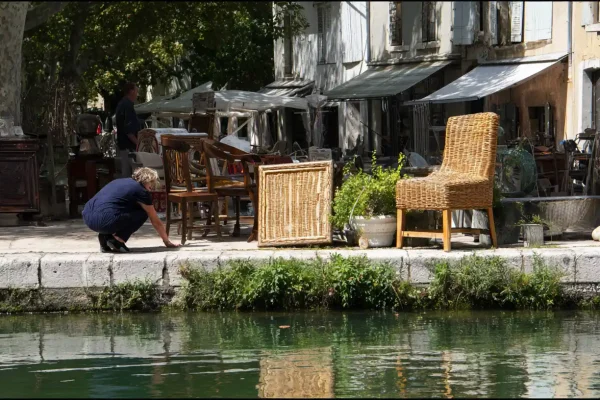
September in Avignon. The lavender is done but the light has turned that deep amber color that makes every building look like it was painted by someone who really meant it. The café terraces are still full. The tourist buses are not. That specific combination — warmth, calm, and a table outside where you don’t have to wait — is what most people picture when they imagine France.
It exists. But it’s not guaranteed in any single month. And it looks different depending on where in France you’re standing.
That’s the thing most “best time to visit France” guides skip entirely: France is not one climate. Paris in January is cold and moody but perfectly fine for a city trip. The Riviera in January is half-shut. The Alps in January are the entire point. Provence in July is lavender and heat and crowds stacked three deep at every viewpoint. So when someone asks “when should I go?” — the real question is: where are you going, and what do you want when you get there?
The Short Version – If You Just Need an Answer
Best overall months: May, June, September, October. Good weather, manageable crowds, not peak prices.
Best for budget: January, February, November in cities. Rates drop significantly.
Best for beaches: June and September. You get warm water without August chaos.
Best for lavender in Provence: Late June through mid-July.
Best for skiing: January and February. December can work depending on snowfall.
Worst for crowds and cost: July and August, especially anywhere coastal.

The rest of this guide goes deeper — because the short version above is a useful starting point but it’s not the whole picture.
One thing worth saying upfront: I’ve seen people plan a trip around “best month” advice and still have a miserable time because the month was right but the specific location at that month was all wrong. The advice “go in September” means very little if you’re headed to a ski resort in September — it’s neither ski season nor peak hiking season and half the restaurants will be closed. Context matters more than any single month recommendation.
The Regional Reality: France Is Not One Forecast
Most guides ignore this. It matters.
Paris runs differently from the rest of France. The city has its own rhythm. July and August are counterintuitively manageable in some ways — French locals actually leave Paris for their own vacations, which means neighborhoods feel less frantic, restaurant reservations become easier, and the city has a quieter, almost local feel underneath the tourist layer. The Louvre and Eiffel Tower will still be packed. The Marais at 8am in August will not.
Spring and autumn remain the nicest months for Paris walking — April through June, and September through October. Winter (November–February) is cold and grey but the city doesn’t shut down. Museums are easy. Prices at hotels drop. If cozy cafés, good food, and empty gallery rooms sound like a trip, winter Paris works.
Provence has a short window of greatness for outsiders: late May through June, then September. July is beautiful but the main tourist routes — Gordes, Les Baux, the Luberon villages — can feel genuinely crowded. August is the same but hotter. The lavender peaks in late June to mid-July, and if that’s why you’re going, you accept the crowds as the price of entry.
The French Riviera — Nice, Cannes, Antibes, Monaco — is best visited either side of summer. June gives you warm weather and open beaches without full August madness. September keeps the warmth (sea temperatures are still excellent) and significantly cuts the crowds. July and August are peak season: hot, expensive, and very full. Go anyway if that’s when you can go, but book accommodation months in advance and expect to pay for it.
Normandy is a different story altogether. It’s often rainy and overcast. The best weather window is June through August. The D-Day beaches and the Mont-Saint-Michel are worth visiting year-round from a historical standpoint, but summer gives you the most consistent weather for outdoor exploration.
The Loire Valley is best in May and early June, when gardens around the châteaux are in bloom and the light is soft. September also works well for the wine angle — harvest season brings the region to life.
The Alps (Chamonix, Megève, Annecy) have two completely separate seasons. Winter skiing runs December through March, with January and February being peak. Summer hiking season runs July through September, when trails are clear and wildflowers cover the high paths. Shoulder months (April–May, October–November) can be awkward — ski season is ending or too early, and trails may still be snow-covered.
Going Month by Month
January
Cold, grey, quiet. Paris hotel prices hit their annual low. Museums are easy — small queues, good audio guides, space to think. Ski resorts in the Alps and Pyrenees are in full swing. The south of France (Provence, Nice) is largely open but running at reduced pace. Honestly one of the better months for a focused Paris trip if weather doesn’t bother you.
February
Still winter. The Nice Carnival runs in mid-February and draws genuine crowds to the Riviera — worth noting if you’re going there, worth avoiding if you’re not. Ski season continues. Some of the best powder weeks in the Alps. Cities remain quiet. Prices stay friendly.
March
The in-between month. Some days feel like spring has arrived. Some days feel like January again. The gamble is part of it. Crowds are still low. Prices still reasonable. You might strike gold with a sunny week, or you might wear a rain jacket every day. Either way, it’s not expensive.
April
Spring gains its footing. Paris comes alive — trees in the Luxembourg Garden, café chairs filling back up, the energy shifting. Crowds build but haven’t hit summer levels. Good month for families since school holidays create busy patches but the overall vibe is positive. Accommodation prices start climbing.
May
One of the strongest months for France. Consistently warm. Long evenings. The countryside looks its best. Provence starts warming up. Wine regions feel fresh. May has a few French public holidays that create short vacation bursts — the first and eighth of May, plus Ascension — so expect some domestic travel weekends to be busy.
June
The sweet spot before high season. Long days (sunset around 9:30pm). Beaches open. Lavender starting in Provence. Paris feels alive without being overwhelming. June is consistently the month that surprises people — they expected summer crowds and got a manageable, warm, beautiful version of France instead. Book in advance though. Good June accommodation goes fast.
July
Peak season. Full stop. The coast is packed. The Eiffel Tower has queues. Trains need booking weeks ahead. The lavender is at its absolute best in Provence — purple, fragrant, photogenic — but so is every other tourist. If July is when you can go, go. Just plan ahead, book everything, and accept that you’re sharing France with the rest of the world. The long summer evenings and festival calendar make it genuinely magical despite the crowds.
August
The hottest and busiest month. Beach towns in August — especially along the Riviera — are packed to their limits. Hotel prices reach their peak. But here’s the counterintuitive truth: Paris in August can actually feel calmer in residential neighborhoods because so many Parisians leave for their own holidays. Major tourist attractions are still mobbed. The side streets, the less famous markets, the local boulangerie — those can feel almost quiet.
September
The month most experienced France travelers circle. The heat lingers. Crowds ease noticeably after the first week. Prices start dropping. Wine regions come alive with harvest. The sea is still warm enough to swim. Restaurants are easier to book. The light goes golden. September in France is genuinely as good as people say.
October
Autumn deepens. Still comfortable, particularly early in the month. Vineyard landscapes in Burgundy and Bordeaux turn copper and gold. Rain appears more often but the shoulder-season value is real. A good month for slower travel — small towns, long lunches, countryside drives.
November
Quiet France. Grey, often rainy, and cheap. The Christmas markets start in Alsace (Strasbourg especially) toward the end of the month and into December. If you’re going for culture, museums, and food rather than sunshine, November in Paris or Lyon can work well and cost considerably less.
December
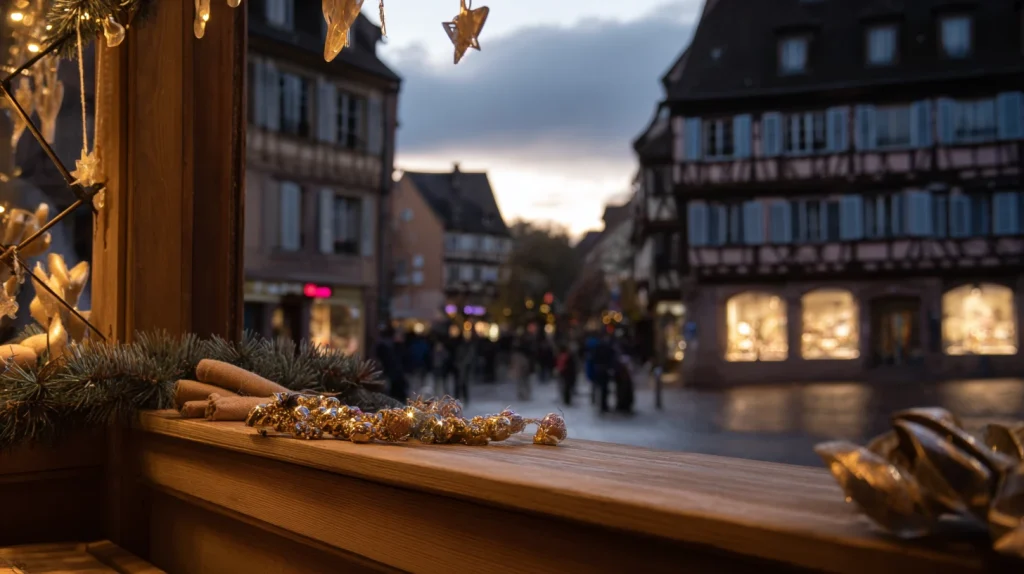
Split personality month. Early December is quiet and affordable. Christmas week is busy and expensive. Ski season starts. Alsace in December with its Christmas markets is one of the genuinely lovely France experiences that doesn’t get enough attention — Strasbourg’s market draws big crowds but the smaller towns like Colmar and Ribeauvillé feel more local and manageable.
If Your Dates Are Already Fixed
You don’t always get to choose when you go. Jobs, school, budgets — travel happens when it can.
If you’re going in July or August: lean into it. Book early. Accept the crowds. Spend more time in places slightly off the main circuit — Arles over Avignon, Antibes over Nice, Chartres over Versailles for a day trip. Get up early. The tourist sites at 8am are a completely different experience from 11am.
If you’re going in January or February: Paris is genuinely fine. Dress warmly. Embrace museums, covered passages, and long lunches. Skip the Riviera unless you specifically want a quiet, off-season coastal town. Consider the Alps instead.
If you’re going in March or November: low expectations, high potential. Weather is unpredictable but crowds are low, prices are good, and France at its most local and unposed is actually pretty appealing. Some of the best meals I’ve had in France happened in November, in nearly empty restaurants where the chef clearly cooked for the love of it rather than for a full dining room of tourists.
What Nobody Mentions About French Crowds
The worst crowds in France are not distributed evenly across the country. They’re concentrated.
The Eiffel Tower at noon in July. The Louvre at 10am any day. Versailles on a Tuesday in August. These are the specific pressure points. If you avoid those peak windows — visit the Eiffel Tower at 9am when it opens, book the Louvre on a Wednesday evening (they stay open late), go to Versailles first thing — summer becomes manageable.
The rest of France in July is very different from those three locations. A village in the Luberon in mid-July is busy compared to January, but it’s not impossibly crowded. A restaurant in Lyon in August requires a reservation but it’s not a war zone. The popular narrative that “summer France is ruined” is mostly about a handful of specific tourist monuments rather than France as a whole.
FAQ
What is the absolute best month to visit France?
September is the answer most experienced France travelers give. The weather is still warm, summer crowds have thinned, prices ease down from peak, and the harvest season makes wine regions particularly good. For Paris specifically, May is a strong alternative — longer evenings and a city that feels genuinely alive.
Is France worth visiting in winter?
For city trips, yes. Paris, Lyon, and Strasbourg work well in winter. The coast and Provence slow down significantly. Prices drop and museums are easy to navigate without crowds. If sunshine and outdoor eating are important to you, winter is the wrong choice.
When does lavender bloom in Provence?
Lavender typically blooms from late June through mid-July, peaking around early to mid-July. The exact timing varies by altitude and location. [VERIFY: check current lavender bloom forecasts before publishing — timing can shift by a week or two depending on the year]
How far in advance should I book for summer?
For July and August in popular areas (Paris, Riviera, Provence), book accommodation 3–6 months ahead. TGV train tickets should be bought as early as possible — prices rise sharply as the travel date approaches.
Are there any months to completely avoid?
Not really, but November and February require the right mindset — they suit people who travel for food, culture, and atmosphere rather than guaranteed sunshine. No month is objectively bad if your expectations are matched to what that month actually offers.