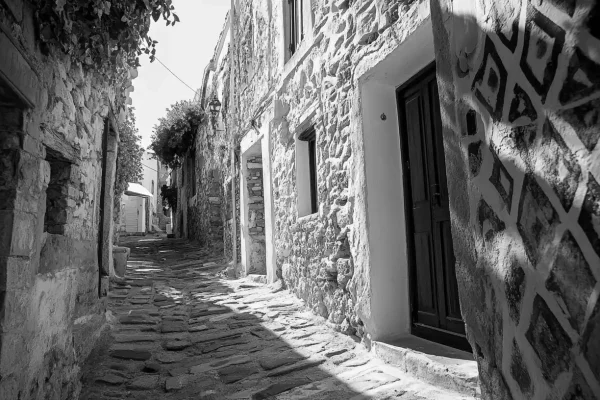
The Curonian Spit is a 98-kilometer strip of land between the Curonian Lagoon and the Baltic Sea, home to the largest coastal dune system in Europe, a handful of traditional fishing villages painted in yellow and blue, and a fact that sounds impossible until you see it: dunes so tall and mobile they have swallowed entire villages, slowly enough that people could watch it happening but not fast enough that they could stop it. Jean-Paul Sartre visited in 1965. Thomas Mann wrote here. Lithuania is quietly proud of this place.
| Best time to visit | June–September (warmest, Baltic swimmable) |
|---|---|
| Getting there | Fly or train to Klaipėda, then short ferry to the Spit |
| Budget per day | $50–90 USD (comfortable mid-range) |
| Visa for Americans | No visa required; Schengen 90-day rule applies |
| Language | Lithuanian; Russian understood by older locals; English at hotels |
| Currency | Euro; cards accepted at most places; carry some cash for small vendors |
Is the Curonian Spit Worth a Dedicated Trip?
If you’re already visiting Vilnius or Kaunas, yes — it’s a 3.5-hour drive or bus to Klaipėda and then a ferry. The Spit is the most distinctive natural landscape in Lithuania and one of the most unusual in northern Europe. If you’re flying from the US specifically for the Baltic dunes, that’s a harder case — the Spit works best as part of a broader Baltic states itinerary combining Latvia and Estonia. Alone, a day trip covers the essentials; two nights in Nida gives you the full experience including the morning calm on the lagoon and the dune at sunset.
Nida: The Best Base on the Spit
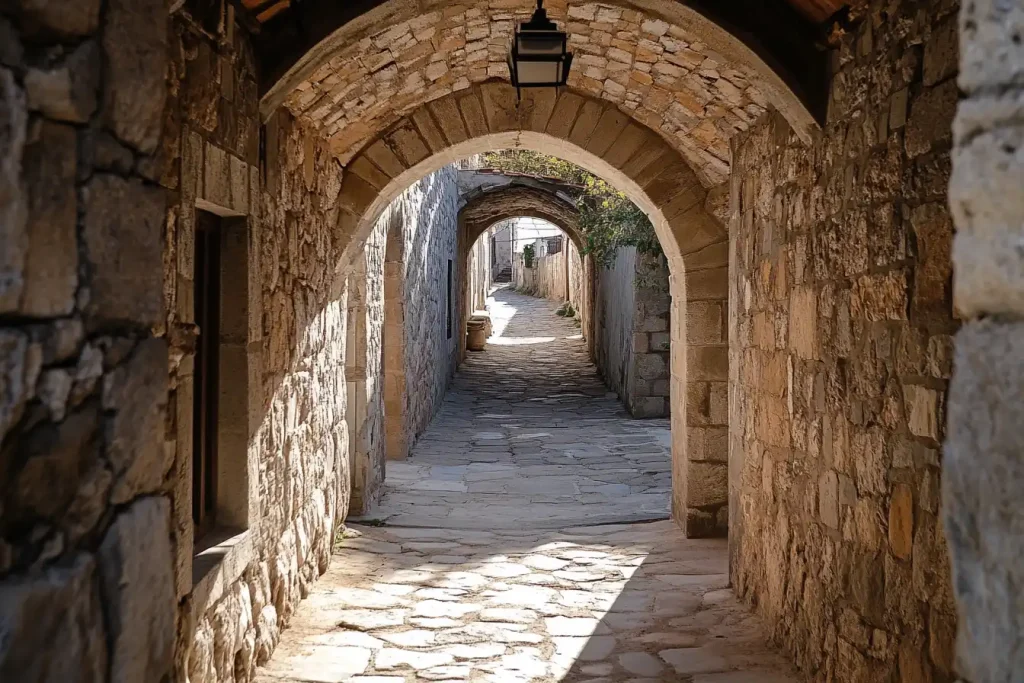
Nida is the largest village on the Lithuanian side of the Spit — about 1,800 permanent residents, a harbor on the lagoon side, a beach on the Baltic side, and the Parnidis Dune rising immediately south of town. The main street is lined with traditional fisherman’s houses painted in the characteristic Curonian yellow and blue palette — originally a navigational code that let fishermen recognize their home village from the water. Today’s versions are mostly tourist accommodations and restaurants, but the architecture is genuine enough.
Thomas Mann’s summer house is in Nida — a simple white-painted timber building on a hill above the lagoon where he wrote in the 1930s. It’s now a museum, open May–October, entry about €4 ($4.40 USD). The house is modest but the view from the terrace over the lagoon toward the mainland is worth the admission on its own.
A small bronze statue of Jean-Paul Sartre sits near the Nida harbor — unassuming, easily missed. His 1965 visit with Simone de Beauvoir produced one of the most famous Lithuanian photographs: Sartre dwarfed by the massive dunes, staring into the sand.
Parnidis Dune
Parnidis is a 52-meter active dune just south of Nida — “active” meaning it still moves a few centimeters each year, driven by Baltic winds from the west. The wooden boardwalk from Nida takes about 20 minutes to reach the base of the climb. Wooden stairs and a path take you to the summit, where a granite sundial marks the local astronomical time with a 13.8-meter obelisk.
The view from the top is the defining image of the Spit: on the lagoon side, calm grey-blue water extending to the Lithuanian mainland. On the Baltic side, open sea, waves, and the beach far below. Between you: a rolling landscape of sand that looks actively Saharan — gold and white and constantly reshaped. The wind is genuine. The original sundial was destroyed by a storm in 1999; the current one was rebuilt in 2000. Stand there long enough and you’ll see it tell the time accurately.
Stay on the boardwalks. The dune’s surface is fragile and footprints from off-path walking don’t fill in — they become troughs that expand erosion. The signs are not advisory. They’re ecologically critical.
The Grey Dunes and Dead Forest
North of Nida, the Nagliai Nature Reserve contains the “dead forest” — a pine forest being slowly consumed and buried by the active dunes. The effect is genuinely eerie: dead tree trunks standing in sand, their roots visible where the dune has advanced past them, the living forest edge retreating. The 1.8km circular walking trail through this area takes about 45 minutes. No fee, just park at the reserve entrance.
The Grey Dunes in this section were partially stabilized in the 19th century after centuries of uncontrolled sand advance buried at least seven villages — Old Nida among them. Pine forests were planted to hold the dunes in place. The woods that exist today on the Spit are almost entirely these planted stabilization forests, not natural growth.
Juodkrantė and the Hill of Witches
Juodkrantė is the second village on the Lithuanian Spit — smaller than Nida, quieter, mostly used as a day destination by Klaipėda residents. Its main attraction is the Hill of Witches: a forest path lined with about 100 carved wooden sculptures depicting Lithuanian folk and pagan figures — witches, devils, giants, tricksters. It’s free to walk through and takes about 30–45 minutes. The carvings are accomplished — not kitschy roadside art — and the interpretive panels (English available) explain the folklore behind each figure. Children find it alternately fascinating and terrifying.
Getting to the Curonian Spit from the US
Fly to Vilnius (VNO) — connections through Warsaw (LOT Polish Airlines), Frankfurt, Helsinki, or Riga. Round-trip fares from US cities typically run $600–900. From Vilnius, bus or train to Klaipėda takes about 3.5 hours ($10–15 USD). In Klaipėda, the passenger ferry to Smiltynė on the Spit runs frequently from near the city center — about 10 minutes, €1.50 ($1.65 USD). Buses then run along the Spit to Nida from Smiltynė. Alternatively, drive: rent a car in Vilnius and take the car ferry from Klaipėda (south of the pedestrian ferry terminal) to the Spit — book the car ferry ahead in summer as slots fill.
Where to Stay
Budget ($40–70/night): Simple guesthouses and apartments in Nida. The village is small enough that every property is within walking distance of the dune and lagoon. Avoid peak July–August without advance booking.
Mid-range ($80–130/night): Boutique hotels in Nida — Elnynas Hotel has consistently good reviews and a sauna. Several traditional Curonian house-style guesthouses offer genuinely local atmosphere.
Splurge ($150+/night): Nidos Smiltyne Resort — the premium option on the Spit, comfortable rooms, lagoon views, spa.
Best Time to Visit
June–August: Baltic beach season — the sea reaches swimmable temperatures (18–22°C) and the weather is warmest. July and August are peak with Lithuanian domestic tourists. Book accommodation months ahead for August.
May and September: Shoulder season — pleasant temperatures, far fewer crowds, some facilities still open or starting to close. The light on the dunes in September is exceptional.
Winter: The Spit in December or January is beautifully desolate — frozen lagoon, grey dunes, almost no visitors. Most guesthouses close but a few remain open in Nida. The dunes look completely different under snow.
Practical Tips
Cycling is the ideal way to explore the Spit — the main path runs the full length of the Lithuanian portion on a dedicated bike lane through pine forest and past beaches. Rent bikes in Nida for €8–12 USD per day. The 30km round trip from Nida to Juodkrantė is very manageable as a day ride.
Smoked fish: the local specialty on the Spit is smoked freshwater fish from the lagoon — bream, pike, eel. Look for signs reading “Rūkyta Žuvis” at roadside huts and small shops. A whole smoked bream costs about €5–7 ($5.50–7.70 USD) and eaten with dark bread is one of the better cheap lunches in the Baltics.
The thing most tourists get wrong: spending only a few hours and treating Nida purely as a dune photo stop. The village morning atmosphere — fishermen on the lagoon, mist over the water, empty dune boardwalks — requires staying overnight. Day trips from Klaipėda are fine but they miss the reason the Spit earned its UNESCO status.
Frequently Asked Questions
How do I get to the Curonian Spit from Vilnius?
Bus or train from Vilnius to Klaipėda takes 3–3.5 hours ($10–15 USD). From Klaipėda, take the pedestrian ferry to Smiltynė (€1.50, 10 min), then bus to Nida (about 1.5 hours). Total journey from Vilnius: roughly 5–6 hours. By car with the car ferry, similar time but more flexibility.
Is the Curonian Spit worth a multi-day visit or just a day trip?
Two nights in Nida is the optimal visit. One night gives you the dune at sunrise or sunset and a full day exploring. A day trip from Klaipėda is possible but you’ll miss the morning calm on the lagoon and the village atmosphere after day-trippers leave around 5pm.
What is Parnidis Dune?
Parnidis is a 52-meter active sand dune at the southern end of Nida village, part of the Great Dune Ridge that runs along the Curonian Spit. “Active” means it still moves with Baltic winds. A wooden boardwalk leads up to a granite sundial at the summit with panoramic views over both the Baltic Sea and the Curonian Lagoon. The most visited and photographed spot on the Lithuanian Spit.
When is the best time to visit the Curonian Spit?
June–August for beach swimming and warm weather. May and September for fewer crowds with pleasant temperatures. July and August are peak season — book accommodation weeks or months ahead. Winter visits (Dec–Feb) are atmospheric and empty but most guesthouses close.
What can you eat on the Curonian Spit?
Smoked lagoon fish — bream, pike, eel — from roadside huts (look for “Rūkyta Žuvis” signs). Herring in various preparations. The traditional fish soup served at Nida restaurants. Cold Baltic amber beer at any village cafe. The food is simple, regional, and genuinely good — not restaurant-fancy but locally sourced and honest.