Occitanie is the largest administrative region in France — roughly the southern third of the country from the Pyrenees to the Rhône — and Toulouse is its capital, the fourth-largest city in France. Almost nobody outside France knows either of these things. They know Paris and Provence and the Côte d’Azur. They book those. Occitanie, meanwhile, contains the Canal du Midi (UNESCO), Carcassonne (UNESCO), Millau Viaduct, the Pyrenees, a dozen wine appellations, medieval Cathar fortresses, and the best cassoulet on earth. It has been overlooked for decades by exactly the kind of traveler who would love it. Toulouse itself — the Pink City, so called for its salmon-pink brick — is a working aerospace capital that happens to have 2,000 years of Roman, Visigoth, Carolingian, and Cathar history embedded in its streets.
| Best time to visit | April–June and September–October; July–August is hot and busy |
|---|---|
| Getting there | Fly Toulouse-Blagnac (TLS) direct or via Paris; 9–12 hrs from US East Coast |
| Budget per day | $90–140 USD (very reasonable by French standards) |
| Visa for Americans | No visa required; Schengen 90-day rule applies |
| Language | French; English limited outside major hotels |
| Currency | Euro; cards widely accepted |
Why Toulouse and Occitanie Deserve More Attention
The honest pitch: you get the food, wine, history, and architecture of southern France without the summer crowds and prices of Provence and the Riviera. Carcassonne’s medieval walled city — the finest example in Europe — receives a fraction of the visitors of Mont Saint-Michel. The Canal du Midi, running 240km from Toulouse to the Mediterranean, can be cycled for days with almost no competition for space. Toulouse’s restaurant scene is exceptional, the city center is genuinely walkable, and accommodation costs about 40% less than Paris. The main reason it gets overlooked: poor English-language coverage and a reputation as an industrial city that obscures its historic core.
Toulouse: The Pink City
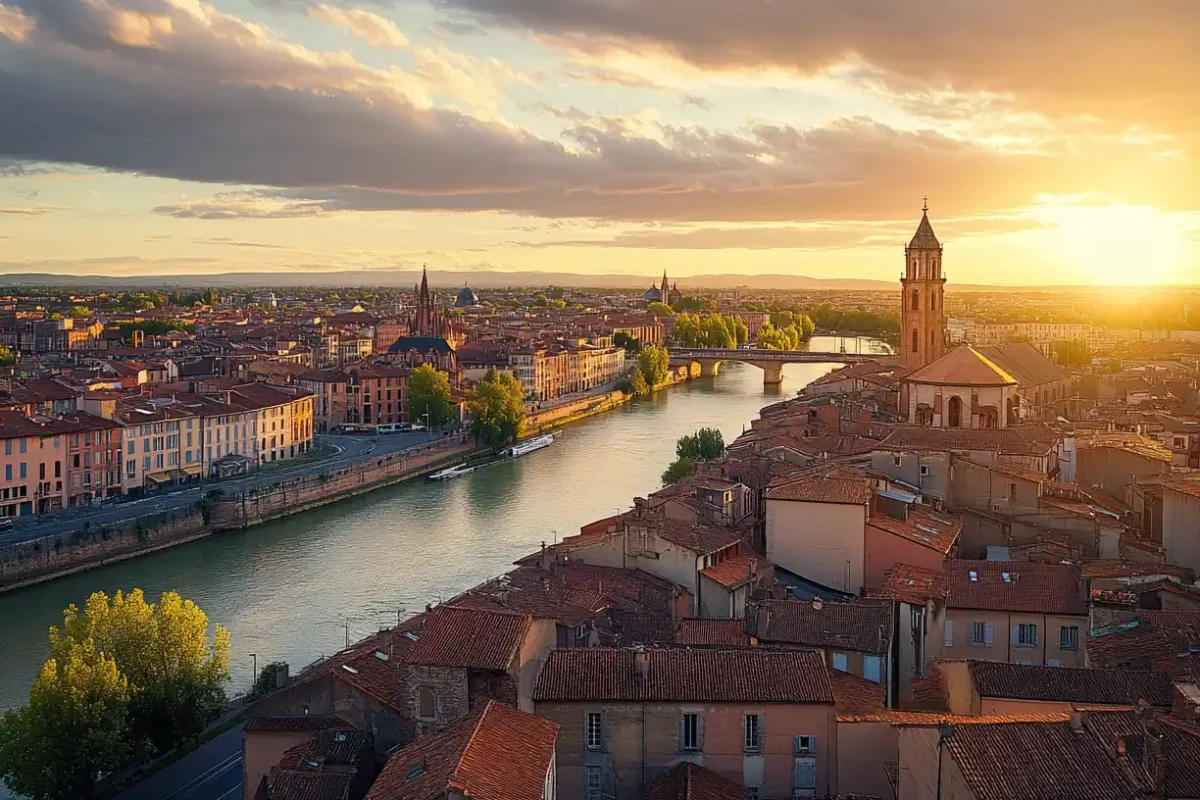
The pink is real and everywhere. Toulouse was built largely from local terracotta brick that turns deep salmon in afternoon light, ochre at golden hour, and almost burgundy in rain. The Basilica of Saint-Sernin — the largest Romanesque church in the world, consecrated in 1096 — is built of it entirely. Standing inside its nave under those arched galleries, with the weight of 900 years of pilgrimage pressing down, is one of the finer architectural experiences France offers.
The Capitole square is where the city concentrates: a 18th-century neoclassical building housing the regional government, with a broad café-lined square in front that fills at sunset. The covered market (Marché Victor Hugo, one floor up from the shops) serves meals from the stalls — bowl of cassoulet with a glass of Cahors for €12, eaten standing at a long counter among locals. Go on a weekday before noon for the experience closest to authentic.
For contemporary art: the Musée des Abattoirs repurposed a 19th-century slaughterhouse into one of the better modern art museums in southern France. Admission €9 ($10 USD), closed Mondays. The contrast between its severe industrial shell and the work inside is itself worth seeing.
Carcassonne: The Medieval Walled City
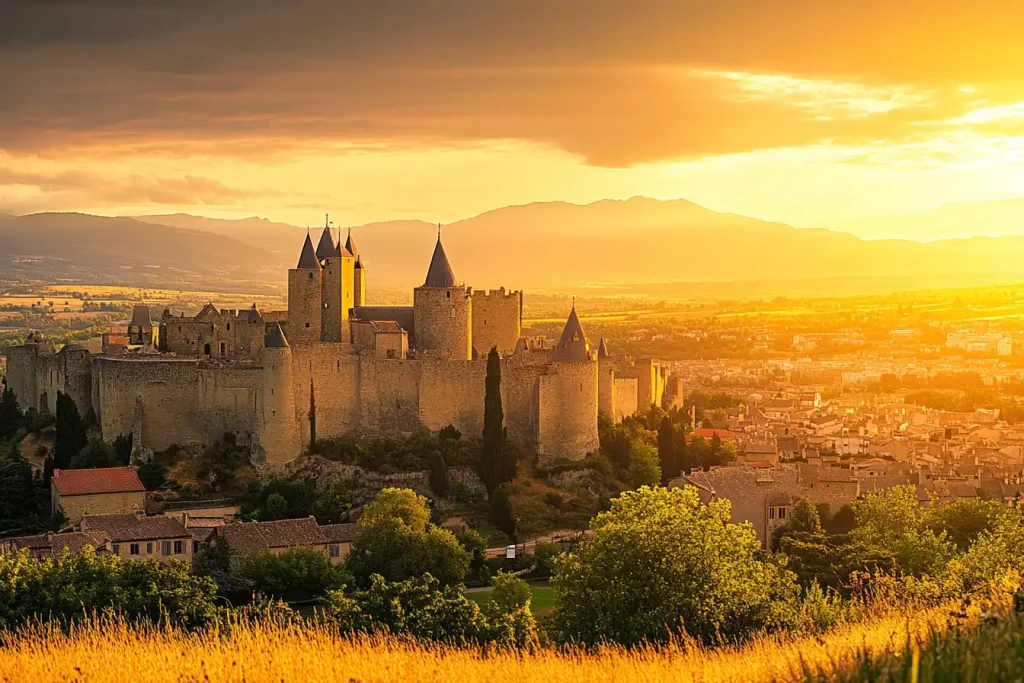
About an hour east of Toulouse by train (€20–35 round trip), Carcassonne is the best-preserved medieval fortified town in Europe and an unmissable day trip or overnight. The walled Cité — entirely separate from the lower modern town — covers a hilltop and is ringed by 52 towers and 3km of double walls. Walking the ramparts takes about an hour. The Cathedral of Saint Nazaire inside the walls has some of the finest Gothic stained glass in the south of France. Entry to the outer walls is free; entry to the Château Comtal costs €12 ($13 USD).
The catch: in July and August, Carcassonne is one of the most visited sites in France. It gets very crowded. Go in May or September and you can have the upper rampart walkways almost to yourself — an entirely different experience than the August sardine can. Alternatively, arrive at opening time (9:30am) before the tour buses from Toulouse and Barcelona.
Canal du Midi
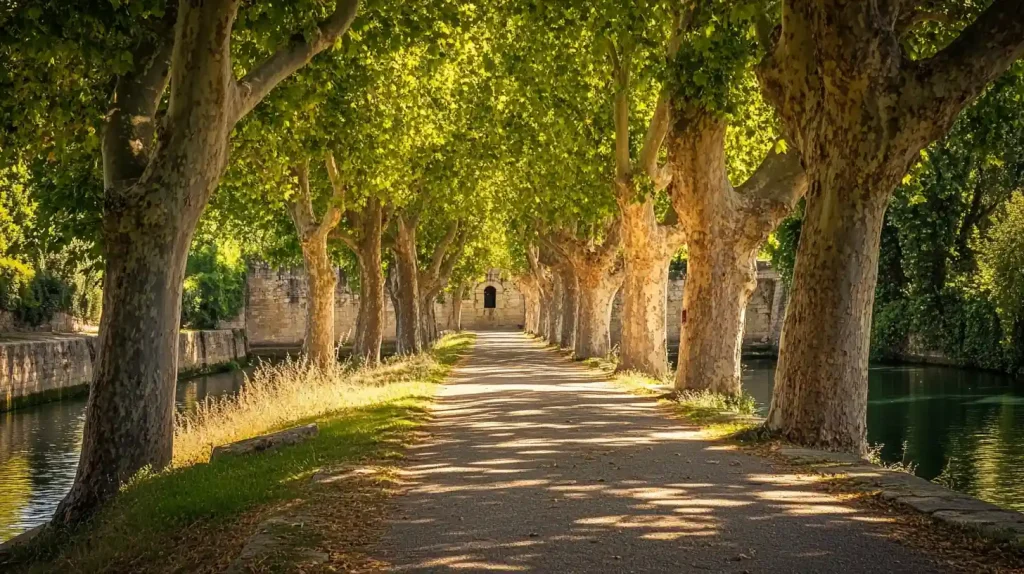
The Canal du Midi was built between 1667 and 1694 and runs 240km from Toulouse to the Mediterranean at Marseillan. It’s a UNESCO World Heritage Site and one of the best cycling routes in France — the towpath runs the entire length, mostly shaded by ancient plane trees, passing through stone locks, canal villages, and vineyards. Day-cycling from Toulouse along the canal toward Carcassonne is achievable and excellent. Bike rental companies in Toulouse offer day rates of €15–25 ($16–27 USD); the towpath is flat and well-maintained for most of its length.
Renting a houseboat and spending 5–7 days moving slowly west to east (or east to west) is the most distinctive way to experience it. Rentals start around €1,200–1,800/week for a small boat in shoulder season. No license required for most vessels. You navigate the locks yourself with brief instruction — they’re mechanized now and genuinely manageable.
The Wine and Food
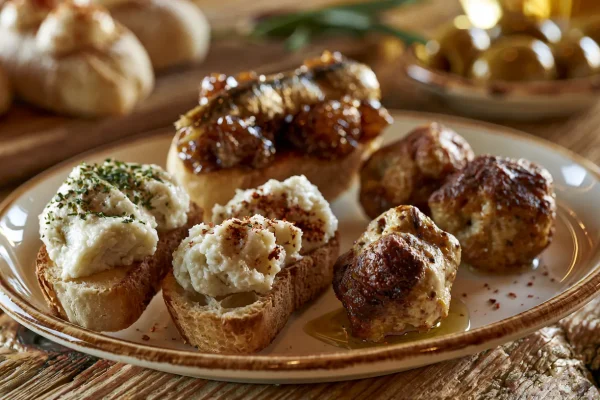
Cassoulet is the dish: a slow-cooked white bean stew with confit duck, Toulouse sausage, and pork skin. The best versions cook for hours and develop a thick crust on top. It is extremely filling, extremely rich, and the version at La Braisière in Toulouse (€19–22 for the full portion) is genuinely exceptional — order it for lunch rather than dinner so you have time to recover.
The wine appellations of Occitanie are underrated: Cahors (deep Malbec-based reds), Gaillac (unusual native varietals), Corbières, Minervois, and Roussillon. All of these offer serious wines at a fraction of Bordeaux or Burgundy prices. Most Toulouse wine shops have open-bottle sampling; a full Cahors at a good cave costs €12–18 per bottle retail.
Getting to Toulouse from the US
Fly to Toulouse-Blagnac (TLS) via Paris (CDG) on Air France — typically $700–1,000 round trip from East Coast cities. Paris connection is under 2 hours. Alternatively, fly into Barcelona (BCN) and take the fast Ouigo TGV train from Barcelona Sants to Toulouse in about 3 hours for €25–60 one way — a good option if combining Spain and France.
Where to Stay in Toulouse
Budget ($70–100/night): Numerous 2-star hotels around the city center; the Saint-Cyprien neighborhood across the Garonne from the Capitole has the best value and genuine local atmosphere.
Mid-range ($120–180/night): Hôtel du Grand Balcon — historic 1920s hotel on the Capitole square where Antoine de Saint-Exupéry and Mermoz planned early airmail routes. Good location, atmospheric, fairly priced.
Splurge ($200+/night): La Cour des Consuls — a 16th-century mansion converted into a 5-star hotel in the old city; pool, outstanding breakfast, understated luxury.
Practical Tips
French is necessary. Outside major hotels, English proficiency drops sharply in Toulouse and almost entirely in the surrounding towns. Download an offline French-to-English translation app. Learning “je voudrais” (I would like), “l’addition s’il vous plaît” (the check please), and basic politeness formulas goes a long way. French people respond warmly to effort.
The most overlooked part of Occitanie: the Cathar country — the string of ruined mountain fortresses (Peyrepertuse, Quéribus, Montségur) where the Cathar heretics made their last stand in the 13th century. They are extraordinary ruins on extraordinary landscapes, and on a weekday you can have them essentially alone. Requires a car and half a day from Carcassonne.
Frequently Asked Questions
What is Occitanie France?
Occitanie is the largest administrative region of France, created in 2015 by merging the former regions of Languedoc-Roussillon and Midi-Pyrénées. It covers the south-central part of France from the Pyrenees to the Rhône, with Toulouse as its capital. The name refers to the historical Occitan-speaking lands of southern France, whose language and culture remain distinct from northern French traditions.
Is Toulouse a good base for southern France?
Yes — one of the best. Toulouse is centrally located for Carcassonne (1 hour by train), the Pyrenees (1.5–2 hours by car), the Canal du Midi, Cathar fortress country, and the Atlantic and Mediterranean coasts. It has an international airport with direct US connections via Paris. Accommodation is significantly cheaper than Paris or the Côte d’Azur.
How do I get from Toulouse to Carcassonne?
Direct SNCF regional trains run between Toulouse and Carcassonne about every hour, taking about 50 minutes and costing €10–35 depending on when you book. Day trip is very manageable. For Carcassonne’s medieval Cité, take a taxi or walk 25 minutes uphill from the main station.
What is cassoulet and where is the best place to eat it?
Cassoulet is a slow-cooked white bean casserole with confit duck, Toulouse sausage, and pork, originating in the Languedoc region. The three competing towns for the “authentic” version are Toulouse, Castelnaudary, and Carcassonne — each claims supremacy. In Toulouse, try La Braisière or Le Bibent. In Castelnaudary (30 minutes from Carcassonne), the Grand Hôtel Fourcade serves it in the town that most convincingly claims the dish. Budget €18–25 for a full portion.
Is Occitanie worth visiting over Provence or the Côte d’Azur?
Depends what you want. Occitanie has better medieval history (Carcassonne, Cathar fortresses), more affordable prices, less summer overcrowding, and a more authentically French feel. Provence and the Riviera have more internationally famous scenery and established luxury infrastructure. If you’ve done Paris and Provence and want deeper France, Occitanie is the logical next region.