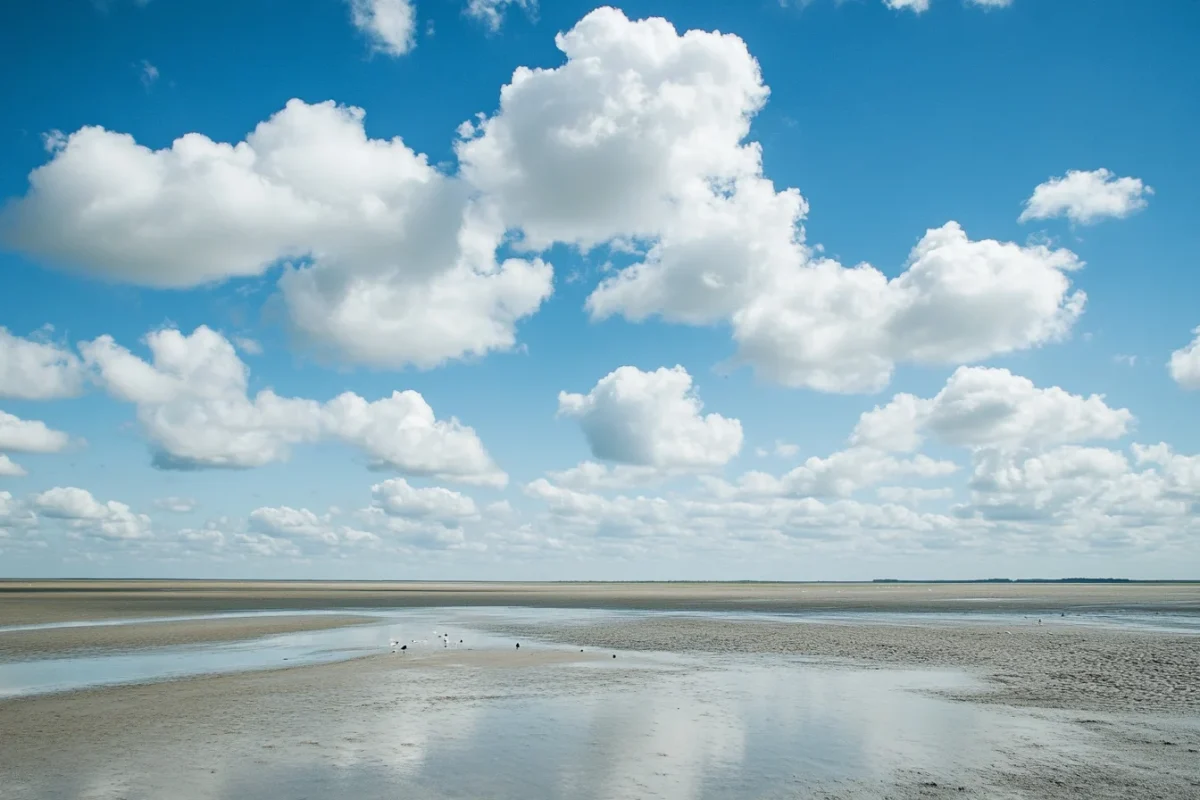
The Wadden Islands are a chain of barrier islands running 450km along the North Sea coasts of the Netherlands, Germany, and Denmark. The Dutch portion — Texel, Vlieland, Terschelling, Ameland, and Schiermonnikoog — is a UNESCO World Heritage Site, mostly national park, and one of the most important shorebird habitats in the world. Between 10 and 12 million birds pass through the Wadden Sea each migration season. The islands are also where the Dutch go on holiday — genuinely Dutch, in the way that Americans go to Cape Cod. Flat, windy, full of bicycles and serious cyclists, with fresh North Sea fish for dinner and a particular kind of seaside light that Dutch landscape painters spent three centuries trying to capture. None of this is secret. Texel gets 600,000 visitors a year. But almost none of them are American.
| Best time to visit | May–September (migratory birds May/June; quietest in September) |
|---|---|
| Getting there | Train from Amsterdam to Den Helder (75 min), ferry to Texel (20 min) |
| Budget per day | $100–150 USD (Dutch prices; cheaper than Amsterdam) |
| Visa for Americans | No visa required; Schengen 90-day rule |
| Language | Dutch; English fluently spoken almost universally |
| Currency | Euro; cards accepted everywhere |
Is Texel (and the Wadden Islands) Worth the Trip?
For a certain kind of traveler — yes, strongly. For someone whose idea of a good trip is a beach holiday near excellent restaurants, probably not. The Wadden Islands reward birdwatchers, cyclists, hikers, people who want to eat very good cheese and very fresh fish, and anyone who wants to understand why Dutch landscape painters cared so intensely about the quality of North Sea light. The sky on Texel on a clear September afternoon is genuinely extraordinary — vast, active, shifting. You understand Ruisdael immediately. If that sentence means nothing to you, skip Texel.
Texel: The Main Island
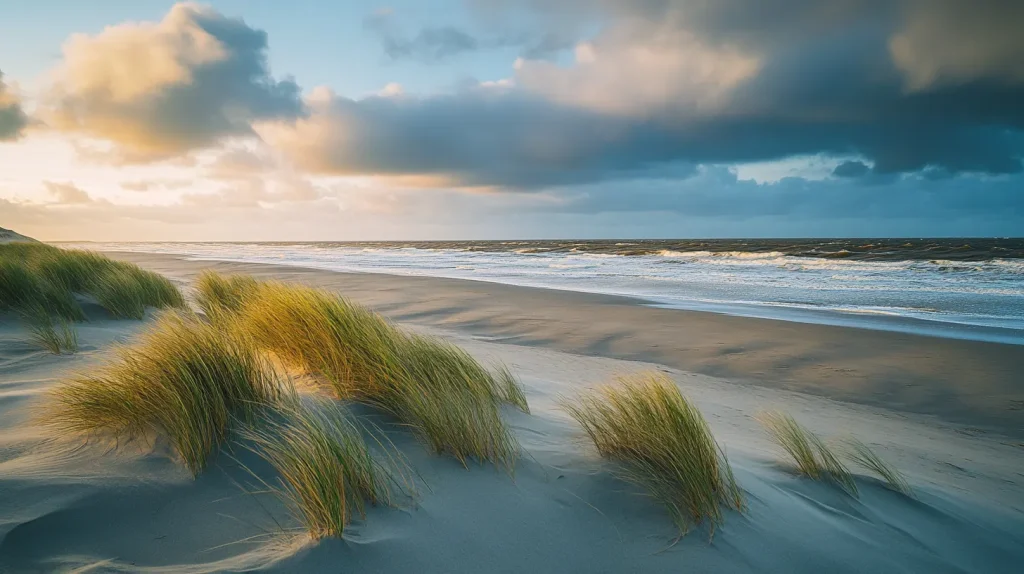
Texel (pronounced “Tessel”) is the largest Dutch Wadden island at about 25km long and 9km wide. It’s flat, comprehensively bicycle-pathed, and has seven small villages. The main one is Den Burg, a market town in the center of the island with a Saturday market that sells local cheese (Texel sheep’s cheese in particular), smoked fish, and the island’s own gin. The west coast has broad sand beaches backed by dunes; the east coast faces the Wadden Sea tidal flats that are exposed at low tide for kilometers — brown, vast, alive with birds.
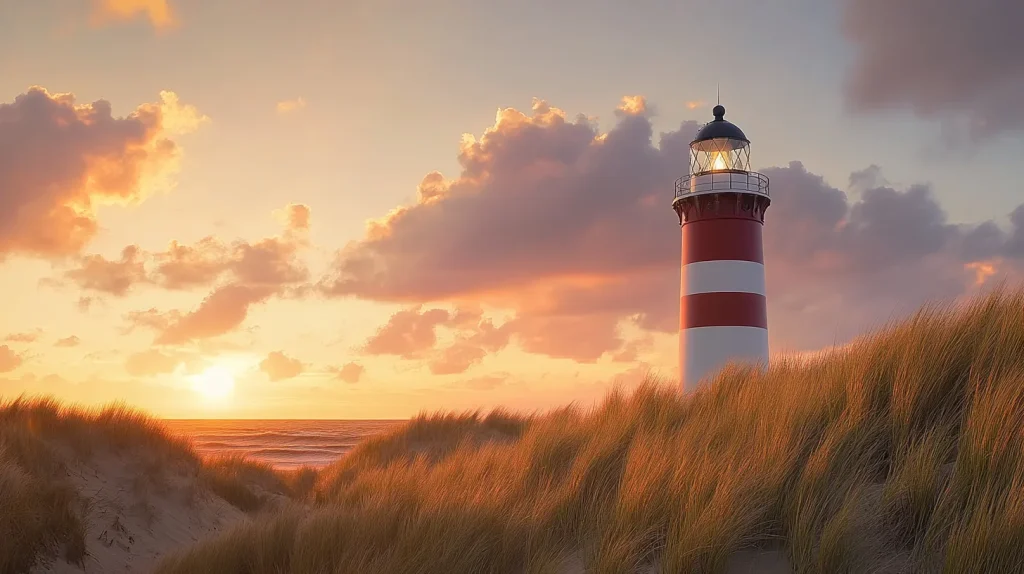
The best thing to do on Texel is rent a bicycle (€12–18/day) and ride from village to village for a day. The distances are small, the paths are excellent, and the island has enough variation — dunes, forest, beach, polders, harbor — that it doesn’t become repetitive. Stop at De Cocksdorp in the northeast to climb the red-and-white Texel lighthouse (Vuurtoren Texel) for the best view over the Wadden Sea at low tide.
Birdwatching in the Wadden Sea
This is the reason the UNESCO designation exists. The Wadden Sea tidal flats are the primary feeding and resting ground for hundreds of species of migratory birds on the East Atlantic Flyway — from Siberia to West Africa. At peak migration in May, the mudflats are visibly dark with waders: bar-tailed godwits, oystercatchers, dunlin, knots, avocets. The Ecomare nature center on Texel has a good introduction to the ecology before you go birding yourself; admission €14 ($15 USD), open year-round.
For serious birding: the De Muy nature reserve in southern Texel and the Muy polder wetlands host breeding spoonbills, Kentish plovers, and several owl species. Ask at the Ecomare for current field conditions. Organized bird tours from EcoTexel run from April through September for €25–35 per person.
Waddenlopen: Mudflat Hiking
One of the more unusual outdoor activities in northwestern Europe: hiking across the Wadden Sea mudflats at low tide, from the mainland or between islands. The walks are guided (obligatory — the tidal timing is critical), run by KNVOS and other operators, and take 2–4 hours crossing surfaces that range from firm sand to thigh-deep mud channels. The sensation is profoundly disorienting — being kilometers from shore on the bottom of the sea — and also genuinely exhausting. Prices start at €15 per person for shorter walks. Mudflat hiking season runs May–September; book well ahead in July and August.
The Other Wadden Islands
Vlieland is the smallest and most pristine — no cars except a few local farm vehicles, one village, forest and dune landscape that feels genuinely remote. Reach it by ferry from Harlingen (2 hours). The island’s single hotel (Hotel Seeduyn) is the only accommodation; book months ahead in summer.
Terschelling is larger and more developed, with a proper town and more services. Its Oerol arts festival in June takes over the whole island with outdoor performances in the dunes — genuinely unique event. Ameland and Schiermonnikoog are the furthest out, accessible from Friesland, and appeal to those who want real isolation.
Getting to Texel from the US
Fly to Amsterdam (AMS) — direct from many US cities, typically $600–900 round trip. From Amsterdam Centraal, take a direct train to Den Helder (75 minutes, €15). The TESO ferry from Den Helder to Texel’s ‘t Horntje runs every 30–60 minutes and takes 20 minutes; €3.15 per adult foot passenger. Total journey from Amsterdam airport: about 2 hours. Texel’s bus network connects the ferry dock to all villages.
Where to Stay
Budget ($80–110/night): Camping is genuinely excellent on Texel — the island has several well-run campsites in the dunes. A pitch with tent costs €25–35. For indoor budget accommodation, simple guesthouses in Den Burg or De Koog.
Mid-range ($130–190/night): Hotel Het Sievert in De Cocksdorp — small hotel, excellent restaurant, good base for the north of the island and Vuurtoren lighthouse.
Splurge ($200+/night): Boutique beach lodges near De Koog with direct dune access and excellent breakfast spreads exist in good numbers on Texel.
Best Time to Visit
May–June: Peak birdwatching and wildflowers in the dunes; warm enough to be comfortable, not yet peak summer crowds. Oerol festival on Terschelling in June if arts programming interests you. July–August: High summer, crowded, expensive — Dutch summer holiday season. September: My preferred time — warm enough for beach days, fewer crowds, the best light, and the beginning of autumn migration for birds. October onwards the weather turns consistently windy and grey; still enjoyable for walking but definitively not beach weather.
Practical Tips
Bring layers. The Wadden Islands are in the North Sea — even in July the sea breeze is real and the temperature can shift 10 degrees between sun and shade. A windproof outer layer is essential regardless of season.
The local Texel sheep’s milk cheese (Texelaar) from the island’s several artisan producers is excellent — much better than anything called “Texel cheese” sold in tourist shops. Find it at the Saturday market in Den Burg or at the Kaasboerderij van de Berg farm shop.
Frequently Asked Questions
How do I get from Amsterdam to Texel?
Train from Amsterdam Centraal to Den Helder (75 minutes, €15), then TESO ferry to Texel’s ‘t Horntje (20 minutes, €3.15). Total journey about 2 hours. Ferries run every 30–60 minutes throughout the day; no advance booking required for foot passengers. Bringing a car costs €19–24 each way and must be booked in advance in summer.
What are the Wadden Islands known for?
The Wadden Sea is the world’s largest tidal flat area and a UNESCO World Heritage Site — the primary feeding ground for 10–12 million migratory birds on the East Atlantic Flyway. The Dutch islands (Texel, Vlieland, Terschelling, Ameland, Schiermonnikoog) are known for birdwatching, cycling, beaches, fresh North Sea fish, Dutch holiday culture, mudflat hiking, and the quality of their coastal light.
Is Texel good for families?
Very. The flat cycling paths make it excellent with children, the beaches are safe with lifeguards in summer, the Ecomare wildlife center is genuinely excellent for kids, and the island is safe and clean. Dutch families have been taking children to Texel for generations — the infrastructure for it is excellent.
What is mudflat hiking?
Guided walks across the Wadden Sea tidal flats at low tide, when several kilometers of the sea bottom are exposed as mudflats. Groups walk from the mainland coast (or between islands) at carefully timed intervals with certified guides, crossing surfaces ranging from firm sand to waist-deep mud channels. The season is May–September; walks take 2–6 hours depending on route and must be booked in advance.
What is the best Wadden Island to visit?
Texel for first-timers — most accessible, most variety, most services. Vlieland for those wanting maximum peace and no cars (one village, forest and dunes, book far ahead). Terschelling for the Oerol festival in June. Schiermonnikoog for genuine remoteness (smallest and westernmost island with only one village accessible by ferry from Lauwersoog).