Turku is Finland’s oldest city — it was the capital before Helsinki took the title in 1812 — and it sits on the southwestern coast where the Aura River meets an archipelago of 20,000 islands stretching toward Stockholm. Most visitors to Finland go directly to Helsinki and stop there, or push north to Lapland. Turku exists in between, largely overlooked by international travelers, doing its own thing: medieval castle, 13th-century cathedral, Aura River terrace café scene, Finnish sauna culture, a summer archipelago ferry trail that is one of the most distinctive boat routes in northern Europe, and a restaurant scene that has become one of the best in Finland. If you’re building a Nordic itinerary and want something beyond the capital city experience, Turku works as a 2–3 day base in a way that most medium Finnish cities don’t.
| Best time to visit | June–August (midnight sun, archipelago season); December for Christmas market |
|---|---|
| Getting there | Train from Helsinki (2 hrs, $15–30); or bus (2.5 hrs, $10–20) |
| Budget per day | $110–160 USD (Finland prices; cheaper than Helsinki) |
| Visa for Americans | No visa; Schengen 90-day rule applies |
| Language | Finnish and Swedish (bilingual city); English spoken universally |
| Currency | Euro; cards accepted everywhere; Finland is essentially cashless |
Is Turku Worth Adding to a Finland Trip?
As a Helsinki-and-something itinerary, yes — Turku is 2 hours from Helsinki by train and offers a meaningfully different experience: smaller and more navigable than the capital, the castle and cathedral give it historical depth Helsinki lacks, and the archipelago access in summer is an experience specific to southwestern Finland that you can’t replicate elsewhere. The honest reason most people skip it: the tourist infrastructure is less polished than Helsinki, and the obvious things to do fill about 1.5 days rather than 3 days. Extend the stay with a boat trip into the archipelago and that changes.
Turku Castle and Cathedral
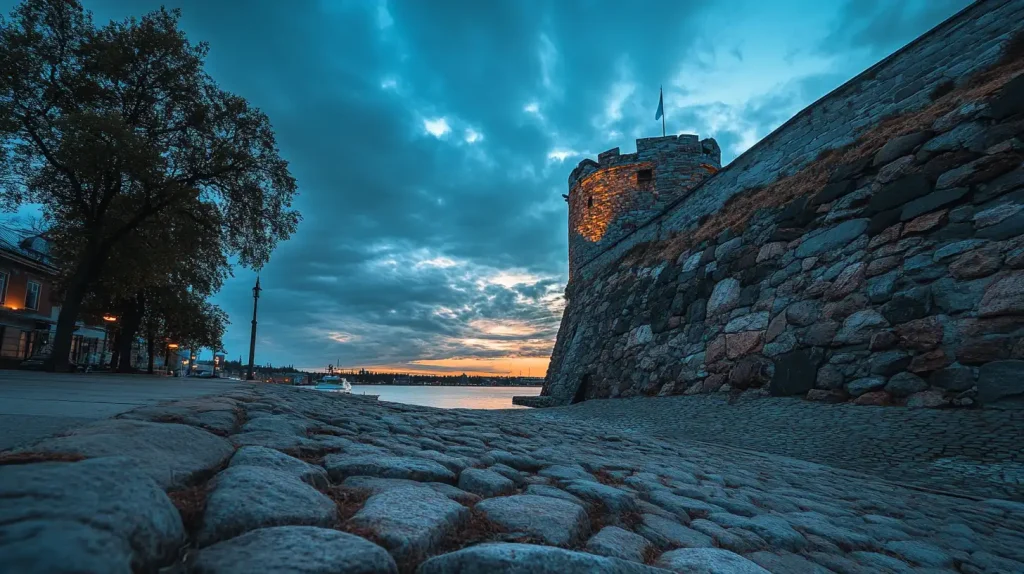
Turku Castle (Turun linna) was begun in 1280 at the mouth of the Aura River and expanded repeatedly through the Swedish Empire period. The current structure contains 50+ rooms and covers multiple centuries of Finnish medieval and early modern history. Entry €12 ($13 USD); museum is well-curated with English throughout. Allow 2 hours. The castle restaurant has one of the stranger dining settings in Scandinavia: a medieval hall with a modern Nordic menu.
Turku Cathedral (Turun tuomiokirkko) is the most important medieval church in Finland — built from the 13th century, damaged repeatedly, repeatedly rebuilt. It’s been the national shrine of Finland since the Reformation and is still the seat of the Archbishop of Finland. The interior is solemn and well-preserved. The tombs of Swedish royals and Finnish nobles line the side chapels. Entry free; open daily. The cathedral’s position at the end of the Aura River walking path makes it the natural punctuation mark of the riverside walk.
The Aura River Terrace Scene
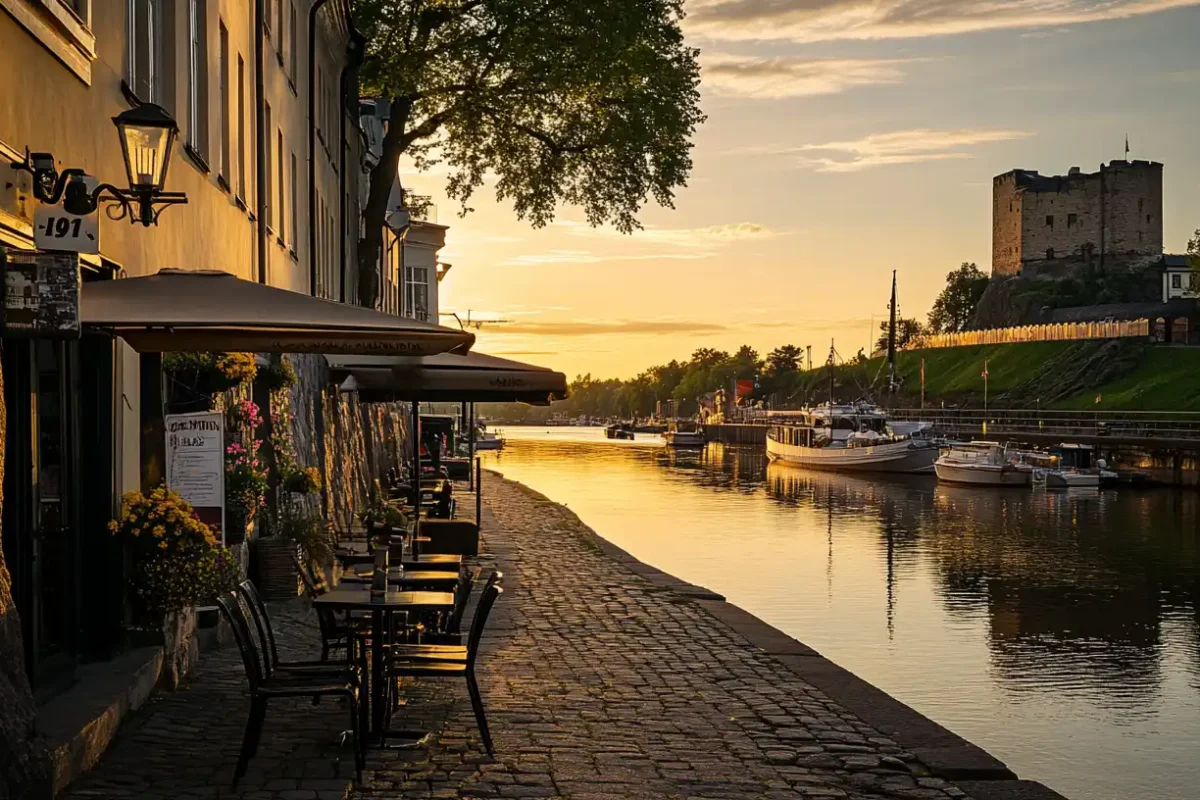
Along both banks of the Aura River, from the medieval center to the castle, Turku has developed one of the best outdoor café and bar scenes in Finland — terraces (terassit) that fill from May through September with locals taking advantage of every hour of light the short Finnish summer provides. Moored boats serve as floating bar-restaurants (several permanently moored on the river do this well). The atmosphere on a June evening at 10pm — still fully light, everyone in sunglasses — captures something specific to Finnish summer culture that indoor restaurants can’t replicate. Walk the riverside in both directions. The terrace scene is free to experience; a beer runs €6–8 USD.
The Archipelago and Ferry Trail
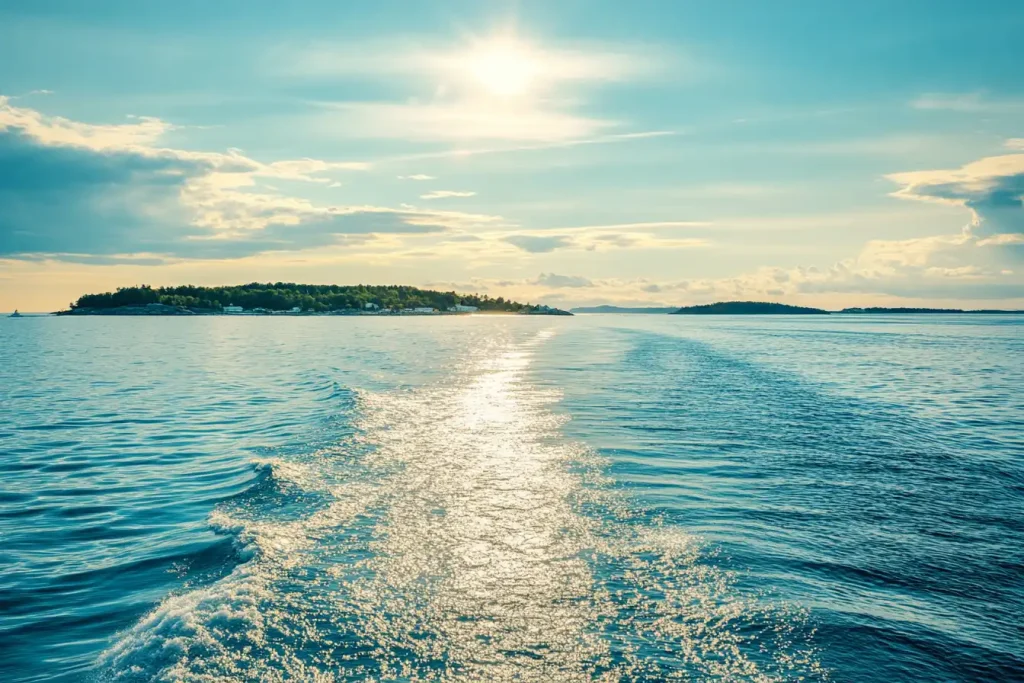
Turku is the gateway to the Finnish Archipelago — 20,000+ islands between Finland and Sweden in the Baltic Sea, the largest archipelago in the world by island count. The Archipelago Trail (Saaristotie) is a tourist route combining ferries and roads through the main island chain from Turku toward Korpo and eventually the outer islands. The free archipelago ferries (maintained by the Finnish state as part of the road network) run regularly and can be combined with a bicycle for a multi-day self-guided tour.
For a one-day taste: take the ferry from Turku harbor to Naantali (30 minutes) and the separate island of Moomin World (yes — the original Moomin theme park, genuinely charming regardless of prior Moomin knowledge, runs June–August). Or take the longer ferry to Pargas (Parainen) island and spend the day cycling between villages. The ferry to Stockholm (operated by Viking Line and Tallink Silja) is a 12-hour overnight trip through the archipelago — often done as a “cruise to nowhere” that returns the same way — and the archipelago channel passage at sunrise is legitimately extraordinary.
Getting to Turku from the US
Fly to Helsinki (HEL) — Finnair has direct service from New York and several other US cities, typically $700–1,000 round trip. From Helsinki, VR regional train to Turku takes exactly 2 hours and runs multiple times per day; cost €15–30 depending on booking lead time. Alternatively, bus (OnniBus or Onnibus.com) takes 2.5 hours for €10–20. Turku’s own airport (TKU) receives some European connections (Ryanair from several cities) if flying directly into the region.
Where to Stay
Budget ($70–100/night): Hostel Turku near the market hall — well-run, central, good for solo travelers. Several guesthouses near the cathedral in the $80–110/night range.
Mid-range ($120–180/night): Sokos Hotel Hamburger Börs — a historic hotel on the main market square, the most central option in Turku, good breakfast. Hotel Kakola is a converted 19th-century prison on a hill above the city — genuinely unusual atmosphere, excellent reviews, worth booking ahead.
Splurge ($200+/night): Radisson Blu Marina Palace Turku — on the Aura River with marina views, the nicest full-service hotel in the city.
Best Time to Visit
June–August for the full experience: the archipelago ferry trail, the outdoor terrace scene, and the midnight sun (Turku is far enough north to have nearly continuous daylight in June). July is the peak Finnish vacation month and accommodation books up. August is slightly cooler and less crowded. December brings a Christmas market and significant atmosphere but cold weather and short days. Spring (May) and fall (September) are the shoulder season — pleasant, cheaper, fewer crowds, archipelago ferries still running.
Frequently Asked Questions
How do I get from Helsinki to Turku?
VR regional train from Helsinki Central Station to Turku — 2 hours, €15–30 depending on when you book. Trains run multiple times per day. Bus (OnniBus) takes 2.5 hours for €10–20. By car, drive west on the E18/A1 motorway in about 2 hours. Turku Airport (TKU) also receives Ryanair flights from several European cities.
What is Turku Finland known for?
As Finland’s oldest city and former capital, Turku is known for its medieval castle (Finland’s largest surviving medieval fortress), the Turku Cathedral (national shrine, seat of the Archbishop of Finland), the Aura River café and bar terrace scene, access to the Finnish Archipelago (the largest in the world by island count), and as the home of Åbo Akademi and the University of Turku, which give the city a significant student population and good restaurants.
Is Turku worth visiting in winter?
Yes, particularly in December for the Christmas market and the atmosphere of a small Finnish city in proper winter. The castle, cathedral, and museums are open year-round. The archipelago ferry trail doesn’t operate in full winter (ice conditions), which removes one major draw. The Aura River terraces are closed. Hotel prices drop significantly in winter. A winter visit works well combined with a Helsinki-Turku circuit if you’re doing a Nordic winter trip.
Can I take the ferry from Turku to Stockholm?
Yes — Viking Line and Tallink Silja operate nightly overnight ferries between Turku (Åbo) and Stockholm, taking about 12 hours through the Finnish Archipelago. The passage through the archipelago channel at dawn is one of the most scenic ferry routes in northern Europe. The ferries are large (restaurants, saunas, tax-free shopping) and the crossing is often done as an overnight trip even without disembarking in Stockholm. Prices from €30–120 per person depending on cabin type and season.
How many days do I need in Turku?
Two days covers the castle, cathedral, Aura River walk, and a half-day archipelago boat trip. Three days adds a full-day archipelago cycling excursion and more time in the restaurant scene. Most visitors to Finland skip Turku for more Helsinki time — the ideal alternative is 2 nights in Turku on the way to or from Helsinki, treating it as a separate component of a Finland itinerary rather than a replacement.