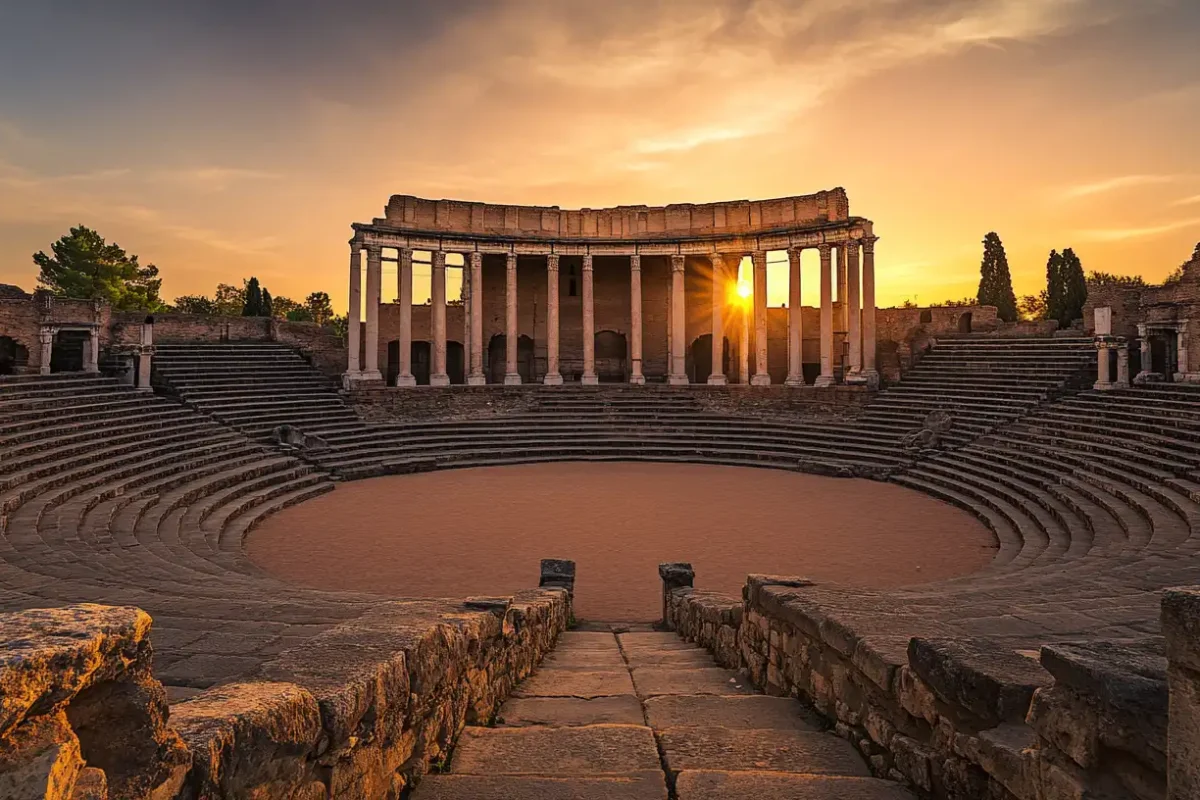
Extremadura is the large, dry, underpopulated region of western Spain bordering Portugal — historically the launching pad for the Spanish conquest of the Americas (Hernán Cortés, Francisco Pizarro, and dozens of other conquistadors were born here), and home to Mérida, a city of 60,000 people that contains more Roman ruins per square kilometer than anywhere in Spain outside of Tarragona. The Teatro Romano de Mérida — a Roman theater still used for performances in summer — is one of the finest surviving examples in the western world. Cáceres, 80km north, has a UNESCO medieval old city that rivals Toledo and Salamanca but gets a fraction of the visitors. The landscape is cork oak dehesa — a savanna-like ecosystem grazed by black Iberian pigs whose acorn diet produces jamón ibérico de bellota, the finest cured ham in the world, made here. Extremadura sits between Madrid (3.5 hours west) and the Portuguese border and is almost entirely skipped by international visitors.
| Best time to visit | March–June and September–November; July–August brutal heat (42°C+) |
|---|---|
| Getting there | Train or bus from Madrid (3–4 hrs); or drive west via A-5; fly Badajoz (BJZ) from Madrid |
| Budget per day | $70–110 USD (very affordable by Spanish standards) |
| Visa for Americans | No visa; Schengen 90-day rule applies |
| Language | Spanish; English limited outside major hotels |
| Currency | Euro; cards widely accepted; carry cash for markets |
Why Extremadura Is Worth the Detour
The region’s obscurity is itself the argument. Mérida’s Roman ruins — the theater, the amphitheater, the hippodrome, the Diana temple, the Trajan Arch — are comparable in scale and preservation to Segovia or Tarragona, which are among Spain’s most visited ancient sites. Mérida gets a fraction of those visitors. You can walk through the theater’s columned stage at 9am with no crowd. The archaeological museum (Museo Nacional de Arte Romano, designed by Rafael Moneo in 1985) is genuinely one of the best Roman museums in Europe and almost nobody outside Spain knows it exists. In a country where the obvious stops are saturated, Extremadura offers the same quality of experience at dramatically reduced tourism pressure.
Mérida: The Roman City
Mérida was founded by Augustus in 25 BC as Emerita Augusta, the capital of the Roman province of Lusitania, and for 400 years was one of the most important cities in the western Roman Empire. The infrastructure the Romans built — aqueducts, bridges, theaters, a hippodrome — has survived with extraordinary completeness because the city was never large enough in subsequent centuries to build over it.
The combined entry ticket (Conjunto Monumental, €12/$13 USD) covers the Teatro Romano, Anfiteatro, Casa del Mitreo (Roman house with mosaics), and the Circo Romano. Buy it at the theater entrance; the combined ticket is significantly better value than individual entries. The theater and amphitheater are adjacent and can be covered in 90 minutes; the Circo Romano and Casa del Mitreo are 10-minute walks and add another hour. The Diana Temple and Trajan Arch are in the town center and free to see from the exterior.
The Museo Nacional de Arte Romano — Moneo’s brick-vaulted building designed to echo the Roman structures around it — displays an exceptional collection of mosaics, sculptures, inscriptions, and artifacts from the excavations. Entry €3 ($3.25 USD), free Saturday afternoon and Sunday. This is the right way to contextualize the outdoor ruins: see the museum first, then the sites.
Cáceres: The UNESCO Medieval City
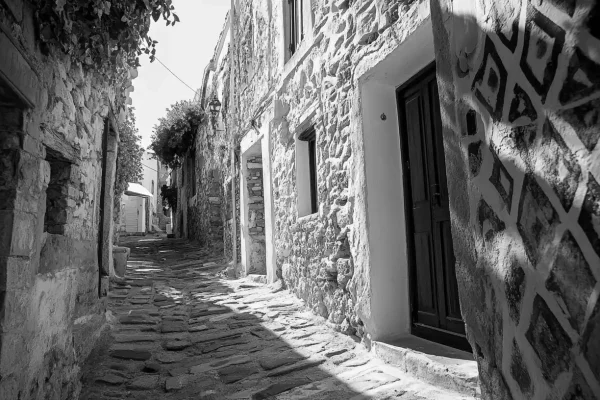
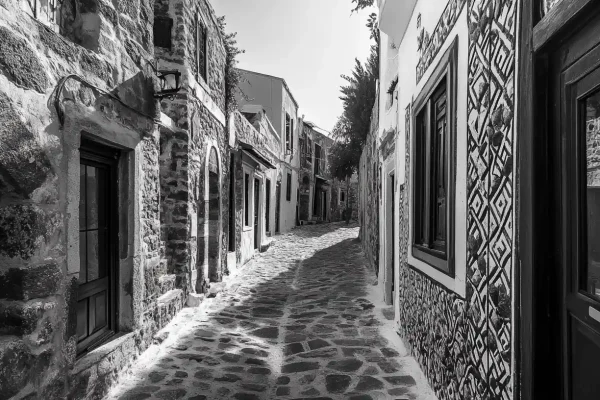
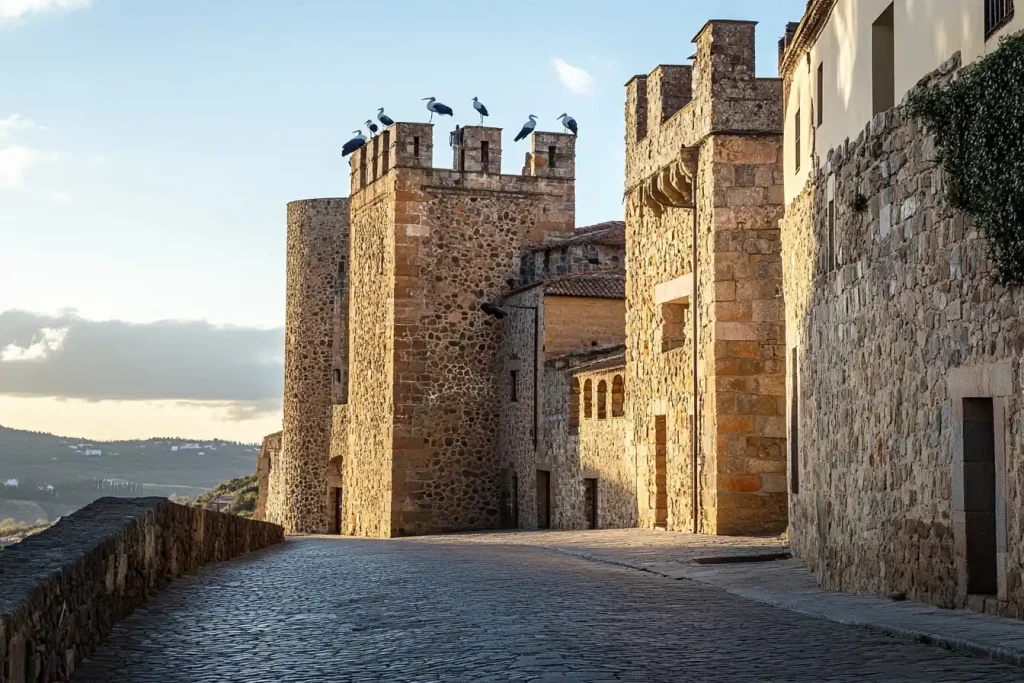
80km north of Mérida, Cáceres has a medieval old city — the Ciudad Monumental — that was protected from modern development by its historic designation and survives in exceptional condition. Palaces, towers, and churches from the 14th–16th centuries line the uneven cobblestone streets, largely unmodified since the conquistadors funded their construction with American gold. The city is small enough to walk completely in 90 minutes, but the density of quality architecture per meter rewards a slower pace.
Cáceres gained a different kind of fame as the filming location for several scenes in Game of Thrones (the city doubled for Braavos and King’s Landing interiors). That connection has brought a new wave of visitors who occasionally miss the actual history underneath the filming locations. Walk the old city at 8am before the tour groups arrive and you’ll have the storks nesting on the towers almost to yourself.
Jamón Ibérico de Bellota
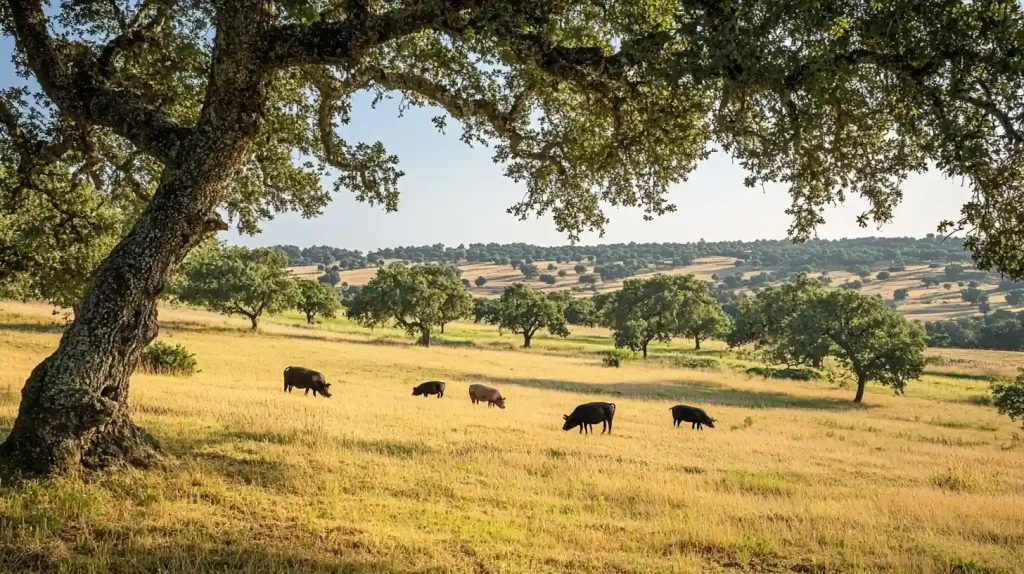
The acorn-fed Iberian black pig (pata negra) that produces the finest ham in the world lives in the dehesa ecosystem of Extremadura — cork oak woodlands where the pigs range freely and eat the fallen acorns through the autumn and winter montanera season. Jamón ibérico de bellota from Extremadura and neighboring Huelva province is the best version of what is already the best cured ham on earth: complex, nutty, with a flavor that develops over the 36-48 months of curing time. A single leg (jamón completo) costs €300–600 retail depending on provenance. A serving of hand-carved slices at a bar in Mérida or Cáceres costs €8–15 and constitutes both breakfast and a significant reason to be in Extremadura.
Getting to Extremadura from the US
Fly to Madrid (MAD) — good direct connections from multiple US hubs, typically $600–900 round trip. From Madrid Atocha or Chamartín station, trains to Mérida take about 3.5 hours (Alvia service, €25–45). Alternatively, bus from Madrid’s Estación Sur to Mérida (Alsa company) takes 4 hours and costs €15–20. Badajoz Airport (BJZ) serves Extremadura more directly with domestic flights from Madrid ($40–70 one way, 1 hour). A rental car from Madrid unlocks the flexibility to combine Mérida, Cáceres, the natural parks, and the Portuguese border towns in one circuit.
Where to Stay
Budget ($40–60/night): Hotel Cervantes in central Mérida — reliable, well-located, honest value. Hostal Jirafa is the budget reference in Cáceres’ old city.
Mid-range ($70–110/night): Parador de Mérida — a converted 18th-century convent in the center of the Roman zone, swimming pool in the cloister, the best location in Mérida. Parador pricing is mid-range in the Spanish context and represents genuinely good value for the quality and location.
Splurge ($150+/night): Atrio Relais & Châteaux in Cáceres — attached to one of Spain’s best restaurants (two Michelin stars), within the UNESCO old city walls. For a special occasion dinner combined with a night in the medieval city, this is the reference.
Practical Tips
Avoid July and August. Mérida in August hits 40–45°C — visiting Roman ruins in this heat is neither comfortable nor safe for extended periods. Spring (March–June) and fall (September–November) are ideal. The Festival Internacional de Teatro Clásico in the Teatro Romano runs in late June through early August — actual classical performances in an actual Roman theater, tickets €20–40, genuinely extraordinary even in the heat.
The route from Mérida north to Cáceres passes through Alcántara, site of a Roman bridge built in 98 AD that still carries traffic — one of the finest Roman bridges in the world, in a gorge setting, with almost no tourists. Add 30 minutes for this detour.
Frequently Asked Questions
Why should I visit Extremadura Spain?
Mérida has the most complete Roman city infrastructure in Spain outside Tarragona — theater, amphitheater, hippodrome, aqueduct, bridge, temples — with dramatically fewer tourists than comparable sites in the rest of the country. Cáceres has a UNESCO medieval old city that rivals Toledo and Salamanca. The region produces jamón ibérico de bellota, the world’s finest cured ham. And prices throughout are 20–30% lower than central Spain.
How do I get from Madrid to Mérida?
Train from Madrid Atocha to Mérida on the Alvia service — about 3.5 hours, €25–45 depending on booking lead time. Bus (Alsa) from Madrid Estación Sur takes 4 hours and costs €15–20. By car, drive west on the A-5 motorway for about 3 hours. Flying to Badajoz Airport (BJZ) takes 1 hour from Madrid on domestic carrier for $40–70 one way — efficient if you’re prioritizing Badajoz and western Extremadura.
What is the Teatro Romano de Mérida?
The Teatro Romano de Mérida is a Roman theater built in 16–15 BC, with seating for approximately 6,000 spectators, set into a hillside in the city center. It has two tiers of columns in the stage backdrop (the scaena frons) that have been substantially reconstructed and remain impressive. It’s still used as a venue for the annual Festival Internacional de Teatro Clásico in late June–August. Entry is included in the combined Conjunto Monumental ticket (€12/$13 USD).
What is special about Cáceres?
Cáceres’s Ciudad Monumental (Old City) is a UNESCO World Heritage Site containing one of the best-preserved medieval and Renaissance city centers in Spain — towers, palaces, and churches built by conquistador families returning wealthy from the Americas in the 15th–16th centuries. The city gained additional fame as a Game of Thrones filming location (Braavos and King’s Landing interiors) but the actual history predates and far exceeds that connection.
What is jamón ibérico de bellota?
Jamón ibérico de bellota is dry-cured ham from acorn-fed Iberian black pigs (pata negra), cured for 36–48 months. The “de bellota” designation means the pigs fed freely on acorns during the montanera season, producing a distinctively nutty, complex flavor unmatched by any other cured product. Extremadura and neighboring Huelva province produce the best versions. Expect to pay €8–15 per serving at a proper bar in Mérida or Cáceres — one of the more cost-effective luxury food experiences in Spain.