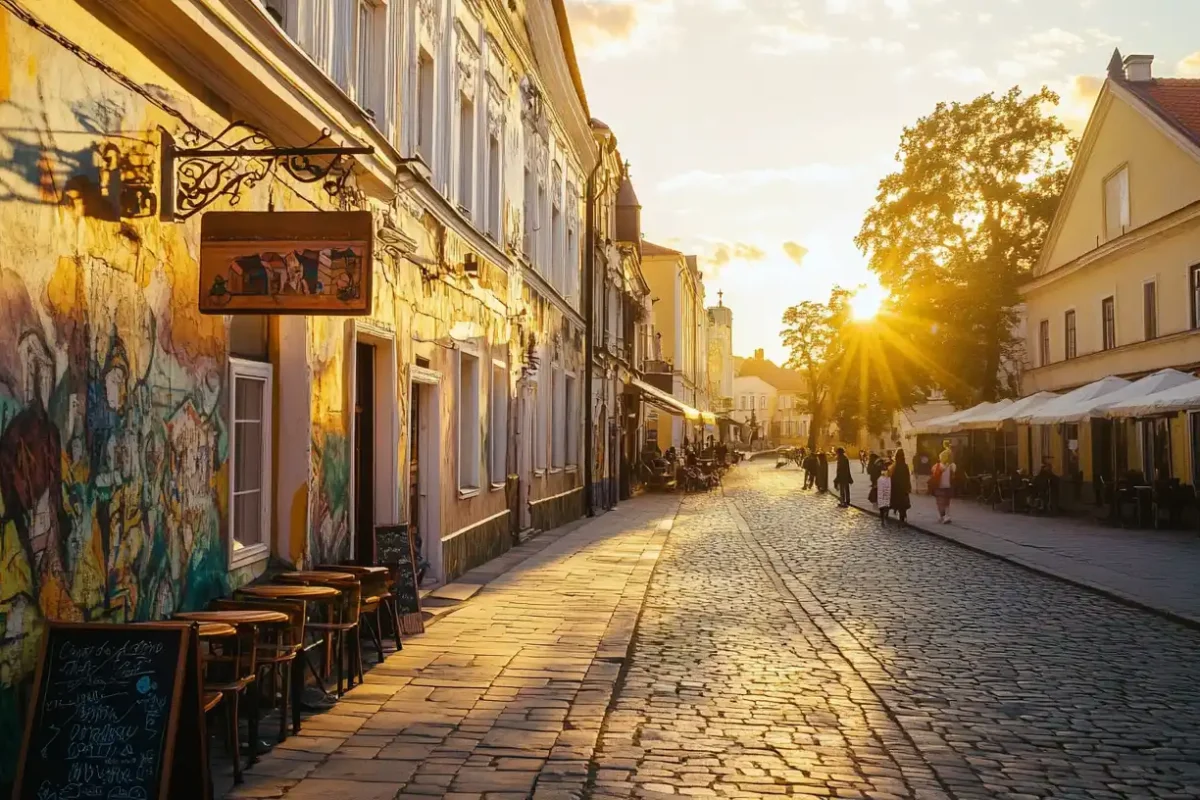
Vilnius gets the press — and deserves it. The Lithuanian capital has a Baroque old city, a bohemian republic that declared independence from Vilnius in 1997 (the Republic of Užupis, complete with its own constitution engraved on mirrors), and some of the most underrated food in Eastern Europe. But Lithuania is small enough (roughly the size of West Virginia) and interesting enough throughout that two days in the capital and nothing else is genuinely underselling the country. Kaunas, the second city, was the interwar capital and contains a level of 1930s modernist architecture that no architectural guide has adequately covered. Curonian Spit, the UNESCO dune peninsula, is a different post entirely. Between them: the Hill of Crosses (a pilgrimage site of 200,000+ crosses near Šiauliai), the Trakai Island Castle, the Aukštaitija lakes, and the Soviet-era underground bunker near Plokščiai that is one of the stranger places you can visit in Europe.
| Best time to visit | May–September; June–August warmest; May and September ideal |
|---|---|
| Getting there | Fly Vilnius (VNO) direct from many European cities; connections via Warsaw, Riga, Frankfurt |
| Budget per day | $60–90 USD (very affordable by European standards) |
| Visa for Americans | No visa; Schengen 90-day rule applies |
| Language | Lithuanian; English well spoken especially among younger generations |
| Currency | Euro; cards widely accepted; Lithuania largely cashless |
The Hill of Crosses: Nothing Prepares You
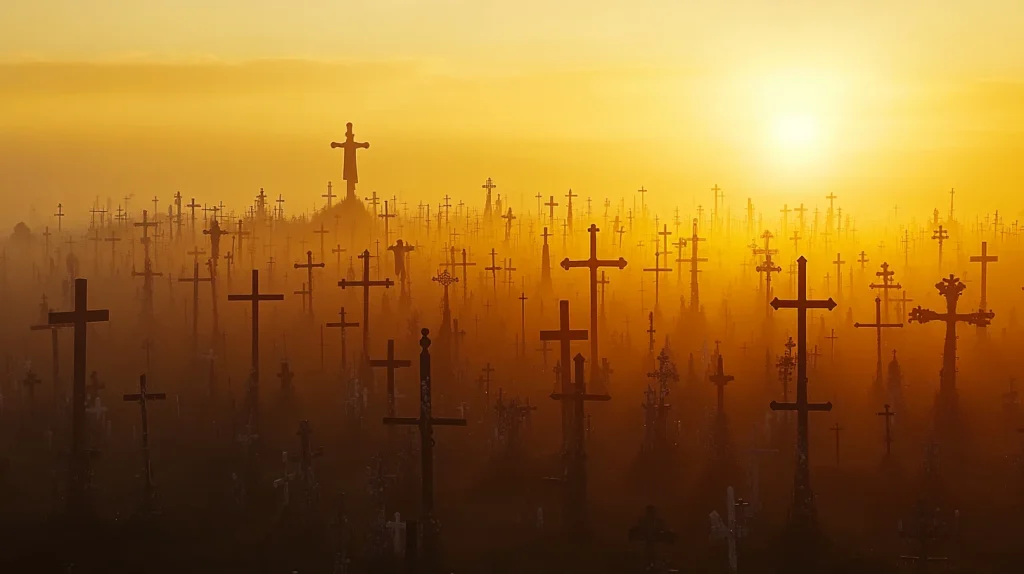
Near Šiauliai in northern Lithuania, the Hill of Crosses is a pilgrimage site where over 200,000 crosses, crucifixes, rosaries, and devotional objects have been placed over the centuries — starting after the 1831 uprising against Russian rule, continuing through Soviet attempts to bulldoze it three times (locals replanted immediately after each demolition), and now a UNESCO candidate site and one of the most powerful religious landscapes in Europe.
The effect is genuinely overwhelming: a low hill covered so densely with crosses of every size (from hand-carved wood to two-meter iron constructions) that the surface is invisible beneath them. They clink and move in the wind. Pope John Paul II visited in 1993 and called it a place of hope, resistance, and love. Whatever your religious position, the Hill of Crosses is an experience that transcends its category. Entry is free. The site is 12km north of Šiauliai; buses from Šiauliai run to the access road. The best time is early morning or evening when the light is lateral and the crowds are thinner.
Kaunas: The Modernist City
Kaunas was Lithuania’s interwar capital (1919–1940) when Vilnius was occupied by Poland, and in that period the city built a remarkable body of functionalist and national romantic modernist architecture. Laisvės alėja (Freedom Avenue) is a 1.7km pedestrian boulevard lined with the coffee shops, galleries, and department stores of an ambitious early 20th-century city. The Vytautas the Great War Museum, the Church of the Resurrection (a massive concrete functionalist church from the 1930s), and the Žaliakalnis funicular (operating since 1931) are all within a short walk.
Kaunas’ ninth fort (IX Fortas) is a 19th-century Russian fortification that became a Nazi execution site during WWII — an estimated 30,000 Jews and others were killed here. The museum and memorial site require several hours and serious attention. It’s one of the most important Holocaust memorial sites in the Baltic states.
Kaunas is 100km west of Vilnius by bus (1.5 hours, €5 USD) or train (1.5 hours, €5–10). A day trip from Vilnius is very manageable; two days gives more time for the modernist architecture walking tour and the IX Fort.
Trakai Island Castle
28km west of Vilnius, Trakai Island Castle is a 14th-century red-brick Gothic castle on a small island in Lake Galvė, connected to the shore by a wooden bridge. It’s the iconic image of Lithuania and legitimately photogenic — the water reflects the castle towers on calm days and the surrounding forest turns in fall. Entry €10 ($10.85 USD). The castle’s interior has been substantially restored and contains a small museum of medieval artifacts.
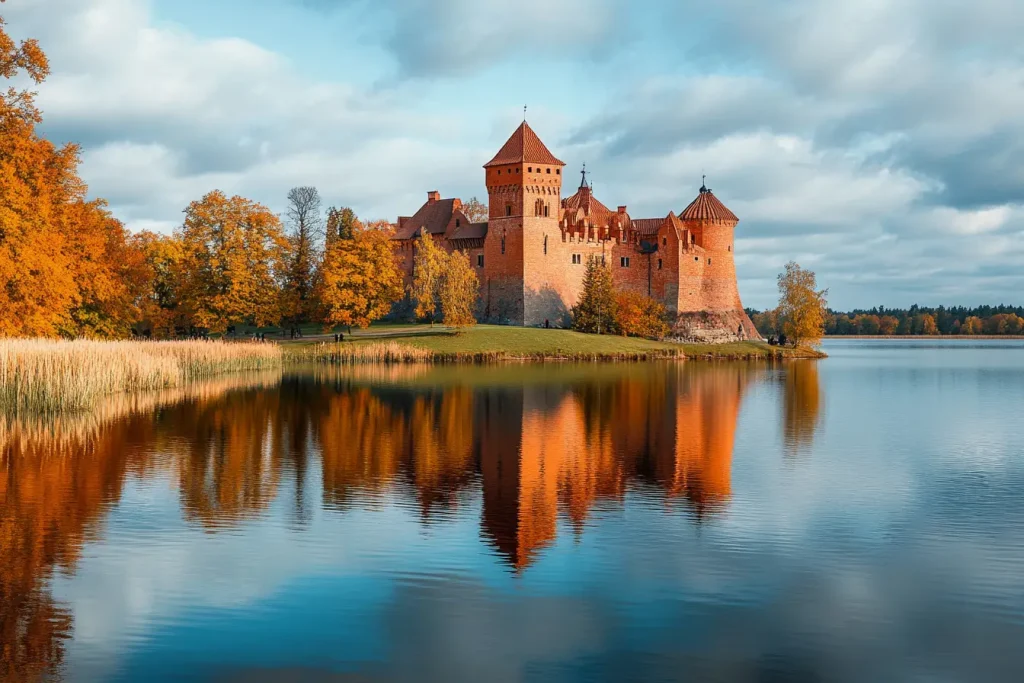
Trakai is the most visited day trip from Vilnius and can feel crowded in summer. Go on a weekday or early morning for the best experience. The town of Trakai is home to the Karaites — a small Turkic-Jewish ethnic group brought to Lithuania from Crimea in the 14th century by Grand Duke Vytautas. Kibinai, small pastry pockets filled with lamb or beef, are the Karaite specialty and sold at every café in Trakai for €2–3. Try them before leaving.
The Cold War Bunker at Plokščiai
In the Žemaitija National Park of western Lithuania, a former Soviet nuclear missile base has been converted into a museum — specifically, an underground command and communications bunker from which nuclear missiles would have been launched against NATO targets during the Cold War. The guided tour takes visitors into the original bunker, with control panels intact, the original communications room, and the launch tunnels. Entry about €8–10 USD; guided tour obligatory and genuinely excellent. This is about 260km from Vilnius and requires a car or organized tour. For anyone interested in Cold War history, it’s one of the most viscerally immersive sites of that period available anywhere in Europe.
Aukštaitija National Park
Northeast of Vilnius, Aukštaitija is Lithuania’s oldest national park — 400+ lakes connected by streams and channels through pine forest. Canoe routes link the lakes, with rental canoes available from the village of Palūšė. A two-day self-paddled canoe circuit through the park is the best slow travel option in Lithuania: camp on the lake shore, swim in water clear enough to see the bottom from 5 meters up, eat fish caught that morning. The ecosystem is the unspoiled version of what the Masuria lake district in Poland looks like in photographs. Lithuanian lakes without Polish summer crowds.
Getting Around Lithuania Beyond Vilnius
Lithuania is small enough that a rental car from Vilnius covers everything in 2–3 days. Buses from Vilnius connect Kaunas (1.5 hrs), Trakai (40 min), and Šiauliai (2.5 hrs) reliably and cheaply. For the Curonian Spit, train to Klaipėda (3.5 hrs from Vilnius) then ferry. The Cold War bunker at Plokščiai requires a car or organized tour from Vilnius. Guided day tours from Vilnius combining Hill of Crosses and Klaipėda run for $40–60 per person.
Practical Tips
Lithuania is affordable by European standards — €10 for a full lunch at a canteen (valgykla), €5–7 for a craft beer at a Vilnius bar, €40–70/night for a decent hotel outside Vilnius. The Lithuanian beer culture is serious; the craft brewing scene in Vilnius and Kaunas has improved dramatically since 2015. Try Šnekutis beer bar in Vilnius old town for the widest local draft selection in the city.
Lithuanian amber (fossilized resin from ancient Baltic forests) is sold throughout the country as jewelry and objects. Buy from shops rather than street vendors for guaranteed authenticity. Baltic amber is real; “amber” from Chinese factories sold by sidewalk vendors is not.
Frequently Asked Questions
What is the Hill of Crosses in Lithuania?
The Hill of Crosses (Kryžių Kalnas) is a pilgrimage site near Šiauliai in northern Lithuania where over 200,000 crosses, crucifixes, and devotional objects have accumulated since the 19th century. It began as an act of Lithuanian resistance against Russian occupation following the 1831 uprising and survived three Soviet bulldozing attempts during the occupation (1944–1990). Pope John Paul II visited in 1993. Entry is free. Best reached by bus from Šiauliai (12km north) or as part of a road trip through northern Lithuania.
How do I visit Kaunas from Vilnius?
Bus from Vilnius Bus Station to Kaunas takes about 1.5 hours and costs €5 USD. Trains also run the route at similar times and prices. Multiple departures daily. A day trip is very manageable; staying overnight gives time for the IX Fort memorial site, the modernist architecture walking tour, and the Žaliakalnis funicular.
Is Trakai worth visiting from Vilnius?
Yes for a half-day — the island castle is genuinely photogenic and the setting (lake island, pine forest, reflected towers) is unlike anything in Vilnius itself. On a weekday in spring or fall it’s delightful; on a summer weekend it can feel crowded. The Karaite pastries (kibinai) are a genuine regional food experience. Bus from Vilnius takes 40 minutes and costs €2.
What is Lithuania like for travel?
Lithuania is one of the most underrated countries in Europe — genuinely affordable (budget $60–90/day), English-speaking at a high level among younger people, safe, historically rich (Vilnius’s Baroque old city, the interwar modernism of Kaunas, the Hill of Crosses), and small enough to cover meaningfully in 5–7 days. The Baltics generally are one of Europe’s best-value travel circuits; Lithuania is the one with the most to do beyond the capital city.
What is the best time of year to visit Lithuania?
May–September for warm weather and the full outdoor season. June–August is warmest (20–26°C) and the Curonian Spit beaches are swimmable. May and September are the sweet spot: comfortable temperatures, fewer tourists, better light for photography. December–February is cold (averaging -5°C) but Vilnius’s Christmas market is genuine and atmospheric. The Hill of Crosses is best in early morning in any season except heavy rain.