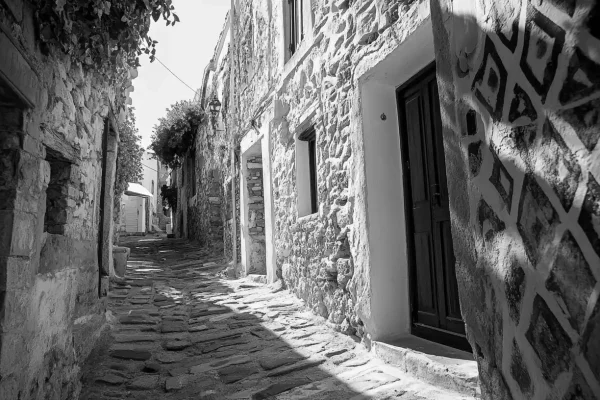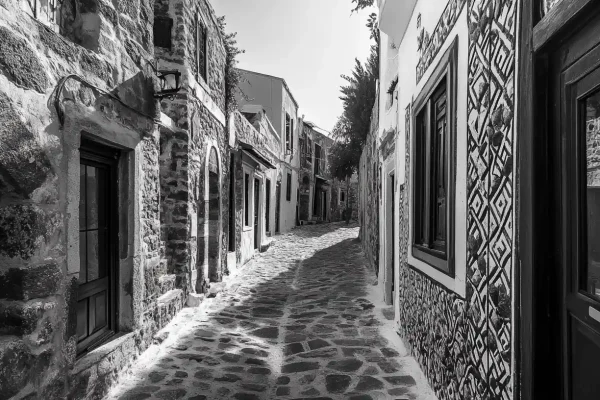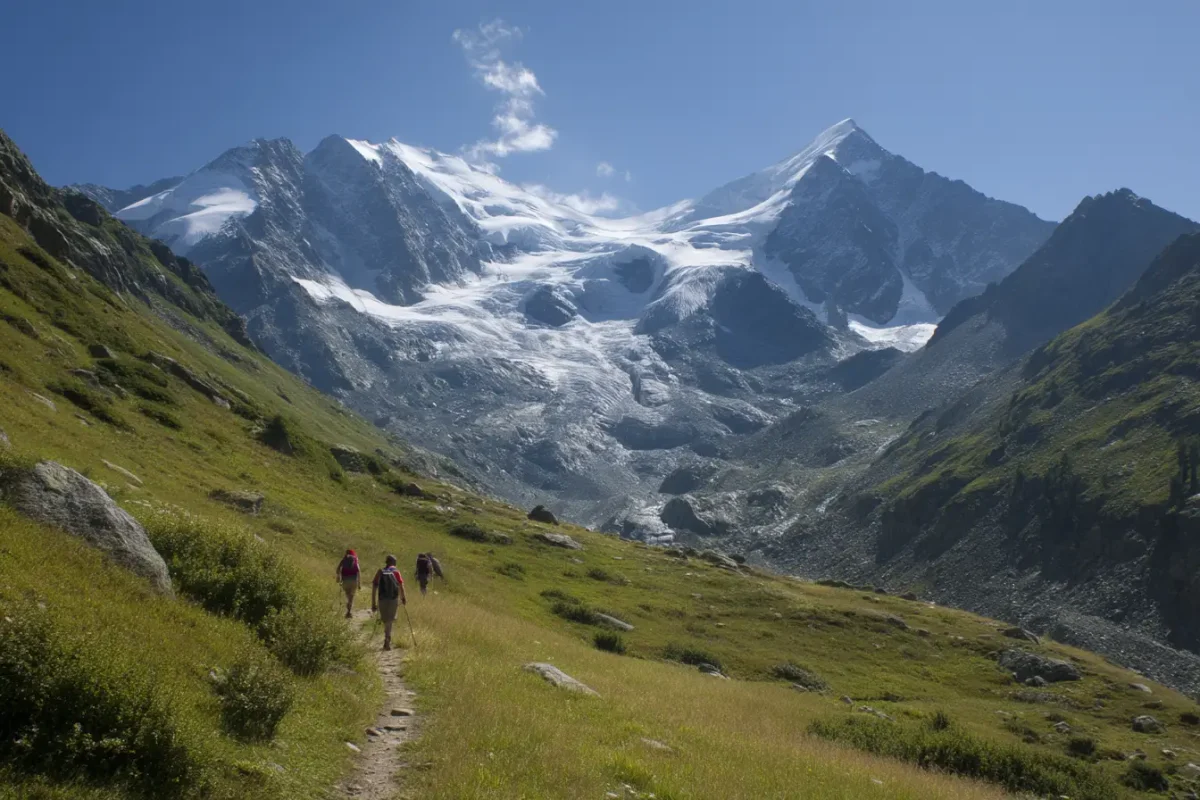
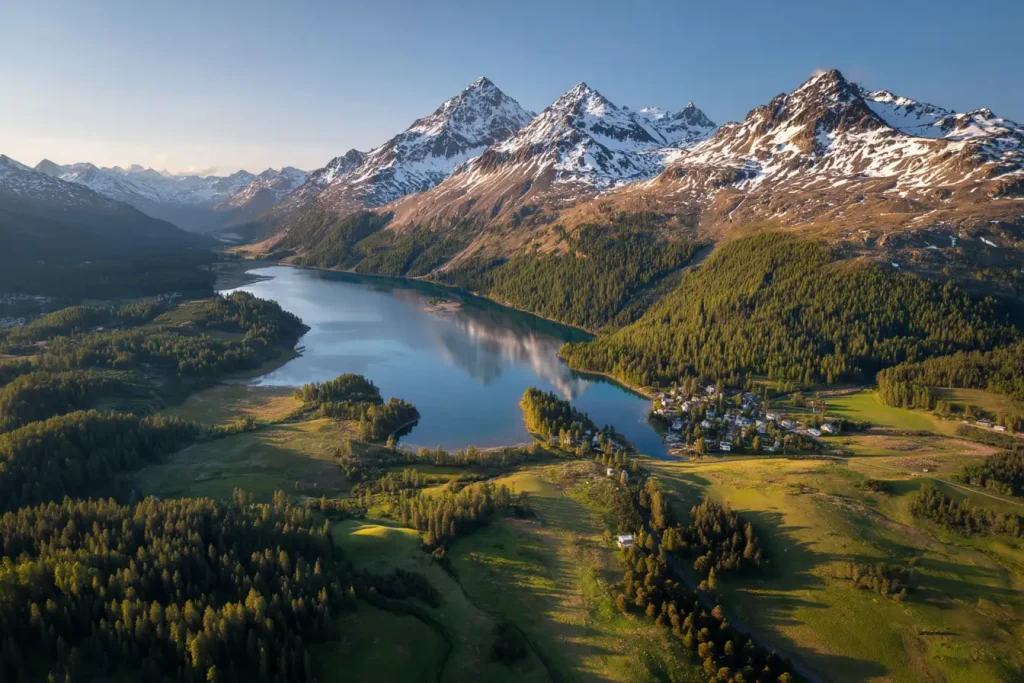
The Engadin Valley in southeastern Switzerland is where the Alps start to feel genuinely remote. It’s a high-altitude valley — most of it sits above 1,800m — cut into the canton of Graubünden, about as far from Zurich as you can get and still be in Switzerland. St. Moritz is here, and it’s expensive and famous for being expensive, and you don’t have to stay there. The rest of the valley — the lake villages of Silvaplana and Sils Maria, the traditional stone houses of Zuoz and Samedan, the wilderness of the Swiss National Park — is accessible, beautiful, and charges normal Swiss prices instead of St. Moritz prices, which is still not cheap but is considerably less painful.
| Best time to visit | July–August (hiking); January–March (skiing); September–October (fall colors) |
|---|---|
| Getting there | Fly to Zurich (ZRH), train to St. Moritz (about 3.5 hrs via Chur or Davos) |
| Budget per day | $120–200 USD (mid-range); $250+ for St. Moritz hotels |
| Visa for Americans | No visa required; Schengen 90-day rule applies |
| Language | Romansh (local), German (official), Italian near Maloja; English widely spoken |
| Currency | Swiss Franc (CHF); 1 CHF ≈ $1.12 USD. Cards accepted everywhere |
What the Engadin Actually Is
The Engadin stretches about 100km from the Maloja Pass in the southwest to Martina on the Austrian border. The Upper Engadin (Oberengadin) is where St. Moritz sits, along with a chain of high-altitude lakes — Lej da Segl (Lake Sils), Lej da Silvaplauna (Lake Silvaplana), and the famous Lake St. Moritz — all linked by running water and surrounded by 3,000m+ peaks. The Lower Engadin (Unterengadin) is quieter, more forested, more traditional Romansh in culture, and contains the Swiss National Park — the only national park in Switzerland and genuinely wilderness in a country that doesn’t often do genuine wilderness.
Davos, which the keyword includes, is technically not in the Engadin — it’s in an adjacent valley in Graubünden. You can reach the Engadin from Davos via the Flüela Pass (summer) or the Vereina car-train tunnel (year-round). But Davos itself is a conference center with a ski resort attached; the Engadin is more interesting.
The Bernina Express: Worth Every Franc
The Bernina Express is a UNESCO World Heritage railway that runs from St. Moritz over the Bernina Pass (2,253m — the highest Alpine rail crossing in the world) and down to Tirano in Italy. It’s one of the most scenic train journeys on Earth, full stop. The section from St. Moritz to Alp Grüm (about 40 minutes one way, passes over Lago Bianco) is the highlight — the train crosses stone viaducts, spirals through tunnels, and emerges above glaciated peaks with nothing between you and the Alps.
Book a window seat on the right side leaving St. Moritz (the left side on return). A day return to Alp Grüm costs about 30–40 CHF ($34–45 USD) — significantly cheaper than the full panoramic car options. The panoramic cars with giant windows cost more and aren’t necessary; regular carriages have the same views. If you have a Swiss Travel Pass, the journey is included.
One practical note: check the weather before booking. Fog and cloud cover the passes regularly in the Engadin, and the Bernina in cloud is significantly less exciting than in sun. The Swiss Federal Railways app gives mountain-specific forecasts.
Hiking: Where to Go
The Engadin is a hiker’s region in summer. Cable cars and funiculars lift you to 2,500m–3,000m within minutes of the valley floor, and trails range from easy lake walks to serious mountain crossings.
Muottas Muragl: Take the funicular from Samedan station to 2,456m. From the top you get the full panorama of the Upper Engadin lakes and chain — it’s the best vista in the valley for the least hiking effort. The views are better than anything from St. Moritz town. Walk back down to Pontresina on the Philosophenweg (about 2 hours, mostly downhill).
Roseg Valley: Walk or take a horse-drawn carriage from Pontresina into the Roseg Valley — a car-free valley flanked by the Piz Morteratsch and Piz Roseg glaciers. The walk to the Coaz Mountain Hut (2,610m, 2–2.5 hours one way) is one of the finest hikes in Switzerland. It rewards every uphill step with unobstructed glacier views.
Lej da Staz: A lake 30 minutes’ walk from St. Moritz town center, surrounded by forest, quiet, swimmable in summer. It’s a sharp contrast to the resort energy of town.
Skip St. Moritz Town (Unless You’re Staying)
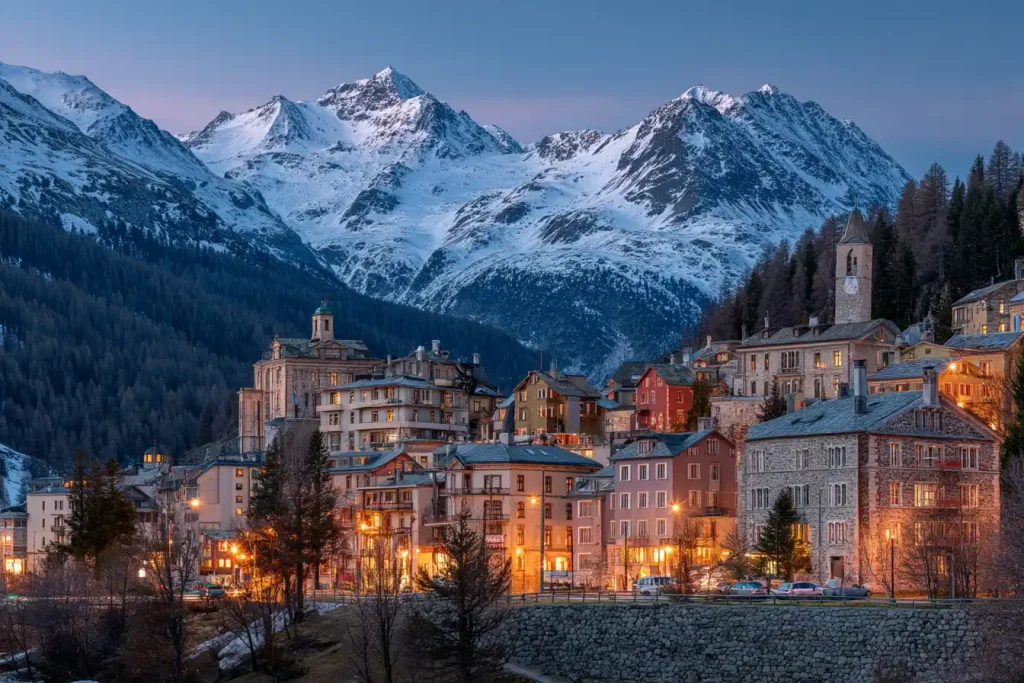
I’ll say it: St. Moritz town is not worth your base unless you’re staying in it. The restaurants charge resort prices, the streets cater to a luxury shopping clientele, and the lake is ringed with private property. The views from above — from the funicular stations, from Muottas Muragl — are better than the views from town. Base yourself in Pontresina (more authentic, hiking-focused, good transport connections), Silvaplana (lakeside, quieter, cheaper), or Samedan (traditional Engadin village, 10 minutes from St. Moritz by train, meaningfully cheaper). All connect to the St. Moritz rail network and cable cars without needing a car.
Getting to Engadin from the US
Fly to Zurich (ZRH) — direct flights from JFK, MIA, LAX, and Chicago on Swiss International Air Lines, typically $800–1,200 round trip. From Zurich Airport, take the train to Chur (about 1 hour, CHF 40 / $45 USD), then the Rhaetian Railway (RhB) to St. Moritz or other Engadin stations (about 2 hours more). Total journey: about 3.5–4 hours. Alternatively, take the Glacier Express panoramic train from Zurich via Andermatt to Chur to St. Moritz — more scenic, about 6 hours, requires a seat reservation (CHF 33/$37 USD on top of the ticket).
Where to Stay
Budget ($80–130/night): Pontresina or Silvaplana have guesthouses and smaller hotels within reach of everything. Self-catering apartments cut daily costs significantly — an apartment for a week in Samedan runs $700–900 USD total for two people, which is extremely good value for Switzerland.
Mid-range ($130–200/night): Conrad’s Mountain Lodge in Silvaplana — cozy, lakeside location, bike connections, consistently good reviews. Hotel Bernina in Samedan is a classic Swiss guesthouse with excellent food.
Splurge ($300+/night): If you’re going to splurge on St. Moritz itself, the Kulm Hotel or Suvretta House are the historic choices. Budget $400–600+ per night and don’t complain about the prices.
Best Time to Visit
Summer (July–August): Trails open, wildflowers, long days. Peak season — accommodation fills and prices peak. Book 3–6 months ahead for mid-range options.
Autumn (September–October): Golden larches transform the valley (larch trees turn brilliant yellow-orange) — arguably the most beautiful time of year in the Engadin. Less crowded than summer. Some cable cars close for maintenance in late October.
Winter (January–March): World-class skiing. Priciest season, especially around Christmas and Davos World Economic Forum week (late January — prices spike dramatically across the entire region).
Spring (April–May): Quiet, cheaper, snow still covers upper trails, some facilities closed. Not the typical visitor window but good for wellness and solitude.
Practical Tips
The Swiss Travel Pass covers all trains, buses, and most mountain railways in the Engadin. If you’re spending 4+ days and planning multiple rail journeys, it pays for itself. A 4-day consecutive pass runs about CHF 245 ($275 USD) for adults.
Engadin Guest Card: Any hotel stay of one night or more comes with a free guest card covering unlimited public transport within the valley, plus free access to many cable cars. Confirm with your host that it’s included.
Switzerland is expensive, full stop. A sit-down restaurant lunch runs CHF 25–40 ($28–45 USD). Grocery stores (Migros, Coop) are significantly cheaper — buy breakfast and lunch supplies at the supermarket and save restaurants for dinner.
Weather at altitude changes fast. Even in July, afternoon thunderstorms are common. Start hikes early, be off exposed ridges by early afternoon.
Frequently Asked Questions
Is the Engadin Valley the same as Davos?
No. Davos is in the Landwasser Valley, a separate valley in Graubünden. The Engadin is to the south, accessible from Davos via the Flüela Pass road or the Vereina car-train tunnel. Both are in the Graubünden canton but they’re distinct destinations.
How expensive is the Engadin in Switzerland?
Very. Budget $120–180 USD per person per day for a mid-range experience including accommodation, meals, and activities. St. Moritz specifically is more like $250–400+ per person per day. The valley outside St. Moritz is cheaper but still not budget travel territory.
Is a car necessary in the Engadin?
No. The Rhaetian Railway (RhB) serves all major villages, and yellow Postal buses reach smaller ones. Cable cars and funiculars connect valley stations to higher terrain. The Engadin is one of the few Swiss mountain regions genuinely navigable by public transport.
When is the best time to hike in the Engadin?
Mid-July through mid-September for fully open trails with snow-free paths. September is particularly good — the larches turn gold from mid-September onward, and the summer crowds have thinned significantly. Trails are still open but the valley quiets down noticeably after school holidays end.
What is the Bernina Express and is it worth it?
A scenic railway crossing the Bernina Pass from St. Moritz to Tirano (Italy), a UNESCO World Heritage route considered one of the most beautiful rail journeys in the world. A section of it (to Alp Grüm and back) costs about CHF 30–40 ($34–45 USD) and is worth it on a clear day. Skip if clouds are forecast — the scenery requires visibility.