Réunion is a French overseas department in the Indian Ocean — technically part of France, the European Union, and the euro zone — sitting 800km east of Madagascar and 200km southwest of Mauritius. It has an active volcano that erupts 2–3 times a year (predictably, from one specific vent), a peak that is the highest point in the Indian Ocean, 600km of hiking trails, a population that speaks French and Réunion Creole, and almost no tourism infrastructure aimed at English-speaking visitors. Most people who go are French. The ones who aren’t come back wondering why everyone kept this quiet.
| Best time to visit | May–October (dry, cooler; June–August ideal for hiking) |
|---|---|
| Getting there | Fly to St-Denis/Réunion Roland Garros (RUN) via Paris or Mauritius |
| Budget per day | $90–160 USD (French prices, not tropical bargain) |
| Visa for Americans | No visa; same rules as metropolitan France; 90 days max |
| Language | French (official); Réunion Creole widely spoken. English very limited |
| Currency | Euro; cards accepted everywhere. Same as mainland France |
Is Réunion Worth the Long Haul from the US?
Yes — but it’s not a beach holiday. If you want to lie by a pool and occasionally walk to a restaurant, go to Mauritius instead (which is 200km away and entirely set up for that). Réunion is a hiking island. The UNESCO-listed volcanic interior — caldera cirques ringed by 1,000-meter cliff walls, cloud forest, the active Piton de la Fournaise volcano — is the reason to come. The beaches are mostly on the western coast and are pleasant but not exceptional by Indian Ocean standards. The cirque villages accessible only on foot or by helicopter are where the island reveals itself.
The honest logistical challenge: English is genuinely limited. French is the working language of everything outside the main tourist areas. Download a French language translation app before you go and accept that some parts of the trip will require patience and gesture. The effort is worth it — the island rewards the traveler who engages rather than just passing through.
Piton de la Fournaise: The Active Volcano
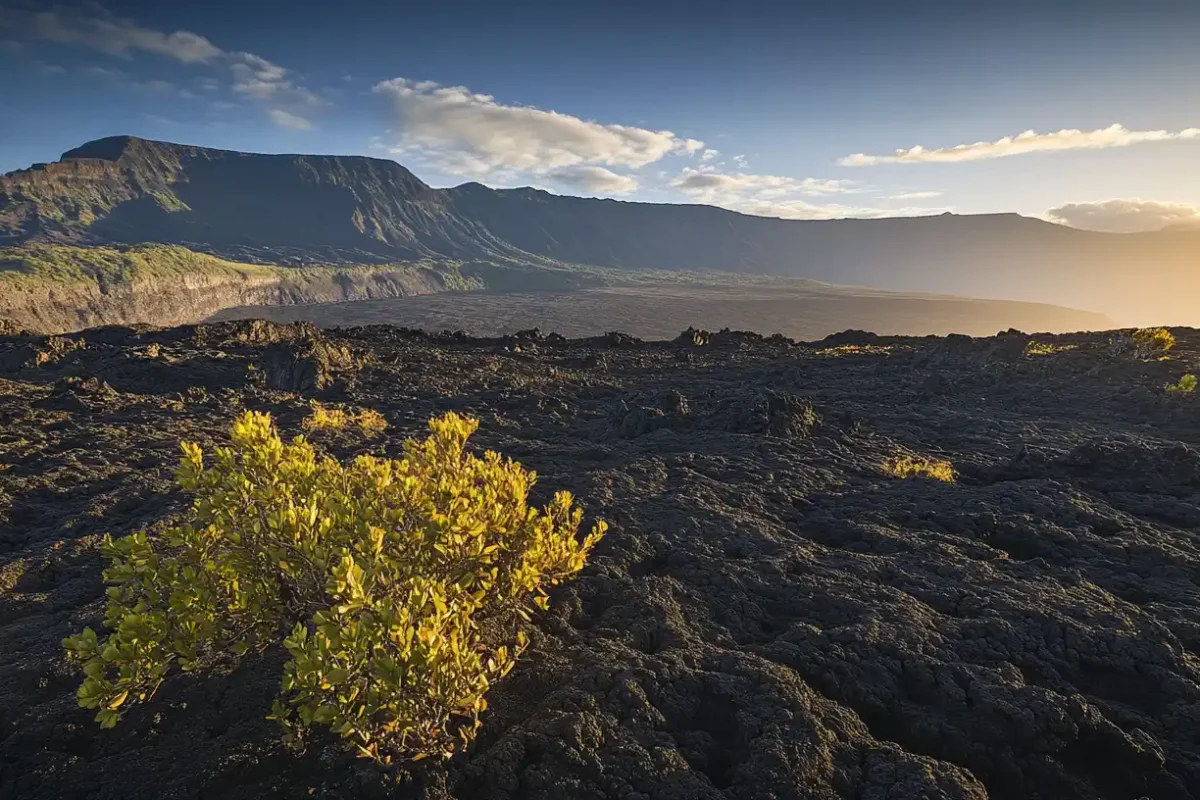
One of the world’s most active volcanoes, erupting an average of 1–3 times per year from its Enclos Fouqué caldera. When it erupts, it does so predictably from the same southeastern vent — rivers of red lava flowing to the sea, producing spectacular images and a genuine (safe) spectacle from observation points. When it’s not erupting, you can drive to the Pas de Bellecombe viewpoint and hike down into the caldera itself — a walk across cooled black lava fields that look like Mars, ending at the base of the Dolomieu crater.
The Pas de Bellecombe parking area is at about 2,300m elevation, reachable by car on a good sealed road from Plaine des Cafres. The hike down into the caldera and across to the outer rim of the Dolomieu crater is about 8km return, classified as medium difficulty, and takes 3–4 hours. Bring water and layers — the weather changes fast at this altitude. Check conditions and eruption status before going at volcanobs.fr (in French; Google Translate handles it fine).
The Cité du Volcan at Plaine des Cafres is a good prequel to the volcano hike — a well-designed volcanic science center that puts the Piton in geological context. About €8 ($8.70 USD) entry.
The Three Cirques: Mafate, Cilaos, and Salazie
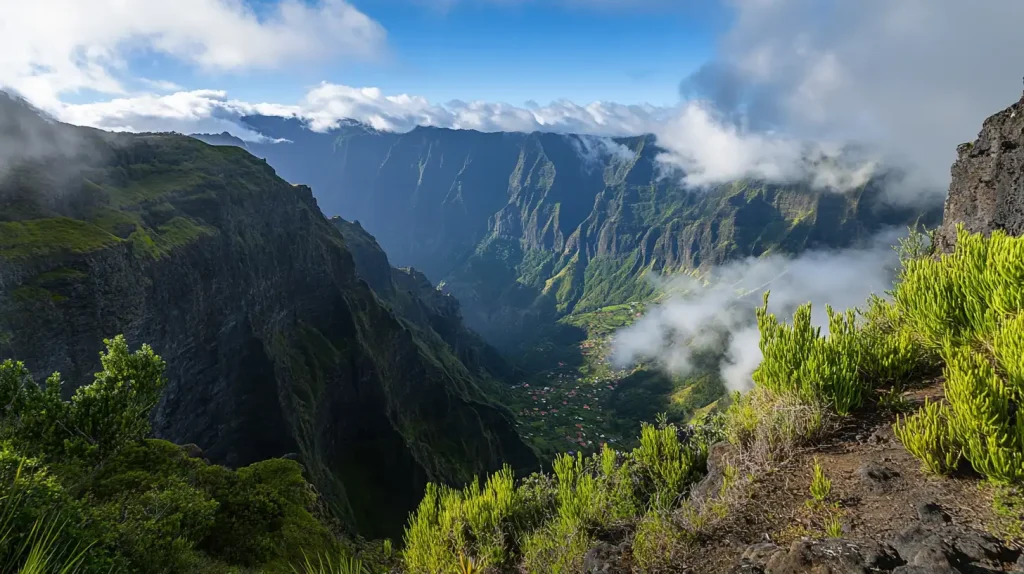
Réunion’s three natural cirques are collapsed volcanic calderas ringed by near-vertical 1,000m cliff walls. Each is a world unto itself:
Cirque de Mafate is the only cirque with no road access — it’s exclusively reached on foot or by helicopter. Several ilets (hamlets) of a few dozen people each live inside, sustained by helicopter supply drops and trekkers. The Grand Raid — a famous ultramarathon called “the diagonal of the crazies” — crosses Mafate. Trekking into Mafate from the Col des Boeufs trailhead (4–6 hours down into the cirque) and staying in guesthouses overnight is one of the finest multi-day hiking experiences in the Indian Ocean region.
Cirque de Cilaos is reached by a spectacular 400-hairpin-bend road from St-Louis. The village of Cilaos at 1,200m has thermal baths, a small wine production, and the trailheads for Piton des Neiges (3,071m — the highest peak in the Indian Ocean, a full-day hike with a high-altitude refuge overnight). The thermal bath at Cilaos charges about €15 for a 45-minute session and is excellent post-hike.
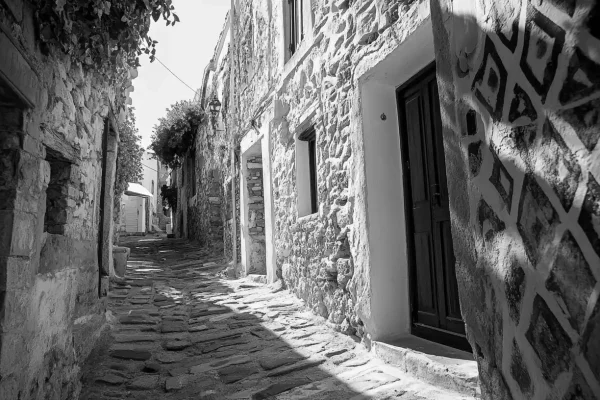
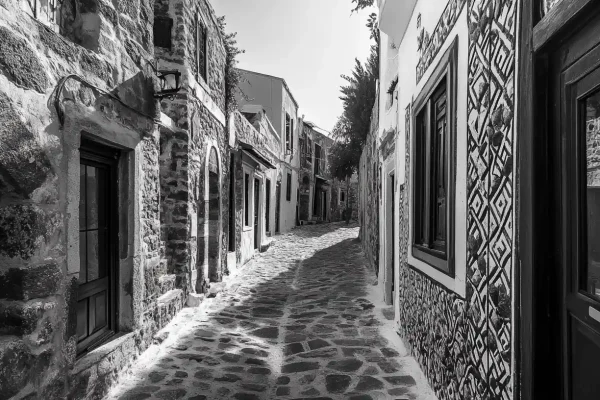
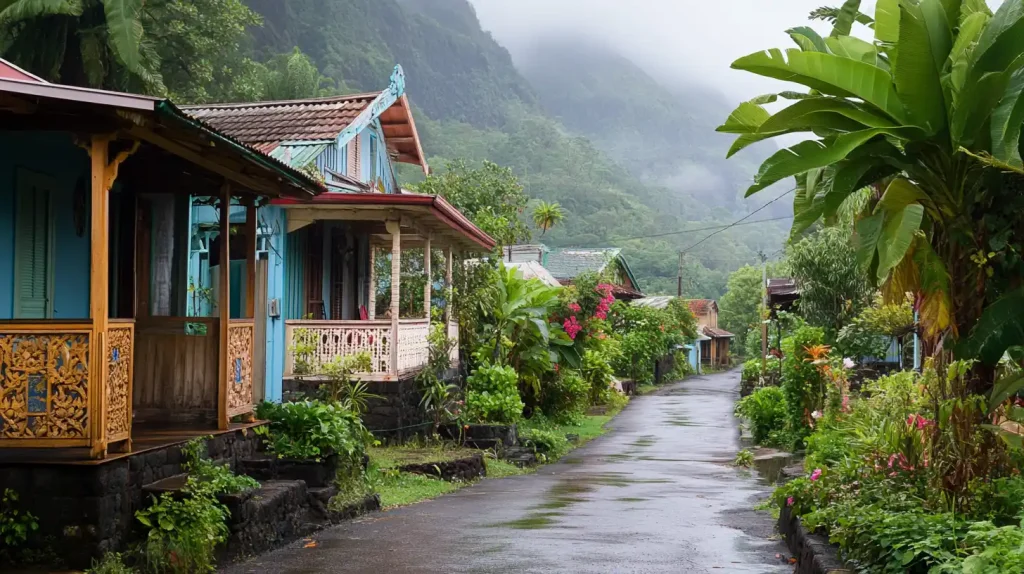
Cirque de Salazie contains Hell-Bourg — one of the most beautiful villages in France outside the mainland, with well-preserved Creole architecture (carved wooden verandas, colorful shutters, lush gardens). It’s the most accessible cirque and a good day trip from the north coast.
Beaches and Western Coast
The western coast from St-Gilles to St-Pierre has the best beaches on the island — protected by a coral reef, warm lagoon water, and accessible from the main coast road. Roches Noires beach at St-Gilles is the most popular, with good facilities and direct ocean access. Boucan Canot is smaller and prettier. Etang-Salé beach is black volcanic sand rather than white, and quieter than the others.
Swimming in the unprotected areas (outside the lagoon) carries a shark risk that Réunion has managed seriously since a series of attacks in the 2010s. Signage is clear about where swimming is permitted (inside the protected lagoon) and where it is not. Follow the signs. Don’t surf alone outside the flagged zones.
The Anse des Cascades on the eastern coast is not a swimming beach but a remarkable scenic spot: a small fishing harbor ringed by waterfall-fed banana and palm groves, with a short walk through the palms that ends where the Rivière de l’Est meets the sea. Worth an afternoon hour.
Food: Creole Cuisine
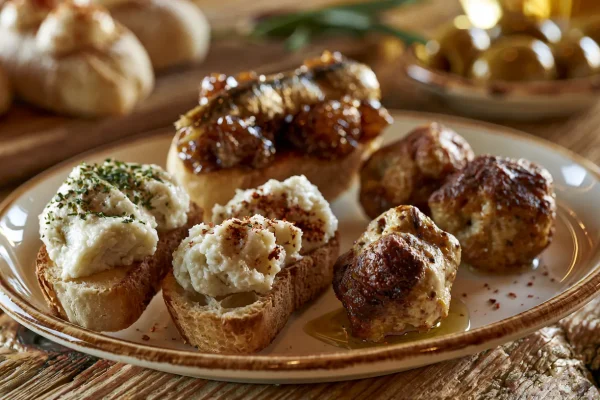
Réunion Creole cuisine is the result of five centuries of African, Malagasy, Indian, Chinese, and European cooking sharing the same small island kitchen. The result is extraordinary — spiced, tropical, and unlike anything you’ll find elsewhere.
The staple is a rougail — a spiced tomato relish served with grilled meats, sausages (rougail saucisse is the national dish), or salt cod. Carry (the local term for curry) is fragrant and coconut-milk-based, using local turmeric and spices. Samosas are everywhere and better than any version I’ve had in South Asia. La Dodo beer, brewed on the island, is sold everywhere and costs €2–3 a can.
Eat at small Creole restaurants (called snacks or restaurants créoles) rather than tourist-facing places. A full rougail meal with rice, salad, and a drink costs €8–12 ($8.70–13 USD). The restaurants on the main tourist waterfront in St-Gilles charge twice that for worse food.
Getting to Réunion from the US
The routing is necessarily indirect. Options: Air France via Paris (CDG) to St-Denis Réunion Roland Garros Airport (RUN) — the Paris–Réunion flight is about 11 hours and is classified as a domestic French flight (no customs). Total journey from East Coast US with a Paris connection: 18–22 hours. Alternatively, fly via Mauritius (Air Mauritius or Air France connect Paris to Réunion via Mauritius). Round trips from US cities including the transatlantic leg typically run $1,200–1,800 USD — not cheap, but Réunion is a genuinely long-haul destination.
Rent a car immediately at the airport. The island is compact (2,500 km²) but the interior roads require a car. Réunion has no meaningful public transit for tourist purposes outside the coastal towns.
Where to Stay
Budget ($50–80/night): Gîtes (French chambres d’hôtes) throughout the island — particularly in the cirque villages. Staying in a gîte in Cilaos or Hell-Bourg is both cheaper and more atmospheric than coastal hotels.
Mid-range ($100–160/night): Villa Delisle in St-Pierre — a boutique hotel with excellent restaurant in the southern coast town. Well-reviewed, genuinely comfortable.
Splurge ($200+/night): Several luxury properties on the western coast near St-Gilles. The Hotel La Villa resort has pool access and lagoon views.
Best Time to Visit
May–October (austral winter): dry season, cooler temperatures, best hiking conditions, low humidity. June–August are the peak months for trekking into the cirques and climbing Piton des Neiges. The sea is slightly cooler but still swimmable.
November–April (austral summer): hotter, wetter, cyclone season from January–March. Heavy rain can close trails and the volcano access road. Not the best time for hiking-focused trips, though beaches are at their warmest.
Practical Tips
Learn basic French before going. Not conversational French — just the phrases for ordering food, asking for directions, and navigating guesthouses. The locals are warm and patient with non-French speakers, but English comprehension drops sharply outside Siem Reap-like tourist centers. This is a genuinely French-first island.
Mosquitoes are aggressive, particularly at lower elevations and at dusk. Bring DEET-based repellent from home — French pharmacy versions are weak. Chikungunya has historically circulated on the island; the mosquito precautions are not paranoid, they’re practical.
The thing most tourists miss: the Anse des Cascades on the eastern coast, and the interior road through Plaine des Palmistes — a highland plateau planted almost entirely with wild guava trees (invasive but beautiful) with views down into the cirques on a clear day.
Frequently Asked Questions
Do Americans need a visa for Réunion Island?
No. Réunion is an overseas department of France and part of the European Union. US citizens can visit for up to 90 days without a visa under the same rules as visiting France — a valid US passport is all you need. No separate French or EU visa required.
Is Réunion Island expensive?
French expensive — not tropical-budget. Food and accommodation are at mainland French pricing rather than Southeast Asian pricing. Budget $90–160 USD per day for comfortable mid-range travel. Gîte stays in the cirque villages are the best value at $50–80/night including a Creole breakfast.
What is the best thing to do on Réunion Island?
Hike into Cirque de Mafate — the road-free cirque accessible only on foot or helicopter. At minimum, drive to Piton de la Fournaise and hike into the volcanic caldera (half-day, moderate difficulty). For the less active: the road to Cilaos through 400 hairpin bends, and a morning in Hell-Bourg among the preserved Creole architecture.
Is it safe to visit the Piton de la Fournaise volcano?
Yes, when there is no active eruption. The volcano erupts from a contained vent inside the Enclos Fouqué caldera. When erupting, the access roads are closed — check conditions at volcanobs.fr before going. When not erupting, hiking into the caldera is standard and safe, though the terrain is rugged and the weather unpredictable at altitude.
How do I get around Réunion Island?
Rent a car. The island has buses connecting coastal towns but no useful public transit for exploring the interior cirques, the volcano, or the eastern coast. Car rental starts at €35–50/day ($38–55 USD) from the Roland Garros airport. An automatic transmission makes the hairpin bends more manageable if you’re not used to manual.