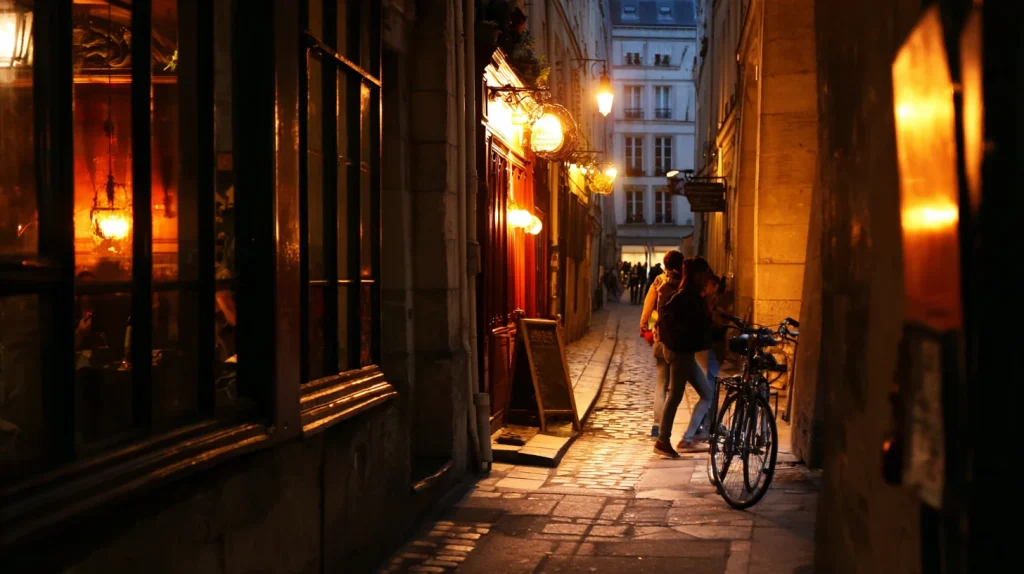
Sitting at a café on the Place des Vosges in the Marais at ten in the evening, you’ll feel no fear. Walking across the Pont des Arts at midnight, you’ll feel no fear. Taking the metro from Châtelet at rush hour with your bag zipped up and your phone in your pocket — no fear. France is, for the overwhelming majority of visitors, a safe and comfortable destination.
What it does have: an active pickpocket ecosystem in specific tourist-heavy zones, a handful of well-practiced scams concentrated around its biggest monuments, and a terrorism alert system that sounds alarming until you understand what it actually means in practice.
Those are real things. They’re also manageable things if you understand them clearly rather than vaguely.
The Honest Answer First
France is safe. The US State Department rates it Level 2 (Exercise Increased Caution), a rating last reissued in mid-2025 and still current — citing ongoing terrorism concerns and occasional civil unrest, primarily pickpocketing and phone theft in crowded tourist areas.
Level 2 is not a warning to avoid France. It’s the same rating applied to countries like Germany, Japan, and the Netherlands. It means “be aware, travel normally, don’t be oblivious.” Most travelers visit France without any incident beyond a metro delay.
France received over 89 million international visitors in 2023, making it the most visited country on earth. The tourist infrastructure — safety, transport, medical, emergency services — is mature, extensive, and reliable.
What the Terrorism Alert Level Actually Means for Tourists
Here’s something worth updating if you’ve read older France travel advice: France’s national security alert system, Vigipirate, was substantially overhauled on June 22, 2026. The old system had been stuck at its highest level, “urgence attentat” (Emergency Attack), continuously since October 2023. The new 2026 version replaces that four-tier structure with a simpler three-tier one: vigilance (baseline), vigilance renforcée (reinforced vigilance, the middle tier), and alerte attentat (the top tier, which by design can only be activated for renewable 12-day windows on the Prime Minister’s explicit order, rather than sitting at maximum indefinitely).
As of the current “été-automne 2026” posture, France sits at the middle tier, vigilance renforcée — a genuine step down in official framing from the “maximum level since 2015” story that circulated for years, even though the practical, visible measures (armed patrols, bag checks, visible security at major sites) look similar day to day. The current posture specifically emphasizes drone-related threats, security at tourist sites and crowded venues heading into the summer and Christmas periods, and public building security.
What this means practically for tourists: you’ll see more police and military visible at major sites, transport hubs, and crowded public spaces. There are bag checks at some museum entrances. Around Notre-Dame, the Eiffel Tower, and major train stations, security presence is noticeably higher than it was a decade ago.
What it doesn’t mean: that you’re in danger walking around Paris. Terrorist incidents in France have almost exclusively targeted very specific locations at very specific times — mass gatherings, concert venues, and symbolic sites. The background security measures are a response to this reality, not evidence that an attack is imminent.
The realistic calculus: millions of people walk through Paris every single day without incident. The security forces at these sites are there to keep it that way. If you’re spending a week in France, the risk of being caught in a terrorist incident is extraordinarily low — significantly lower than many risks you accept without thinking about them at home.
Travel through France normally. Be aware of your surroundings. Don’t leave bags unattended. These are reasonable precautions in any major European city, not special rules for a dangerous destination.
The Real Tourist Risk: Pickpockets and Scams
Violent crime against tourists in France is rare. What isn’t rare is petty theft and scams — particularly in these specific locations:
The Eiffel Tower and Trocadéro The highest concentration of pickpockets in Paris. They work in groups, often near the ticket queues, on the lawns, and around the viewing areas. They target tourists looking up at the tower while their bag hangs loose. Keep bags in front, phones in pockets, and if you feel someone jostle you, check your belongings immediately.
The Louvre and its surroundings The queues outside attract petition scammers — people who approach asking you to sign a petition, often in groups, sometimes with aggressive follow-ups. Don’t engage, don’t stop walking. If they follow, step into any shop or café. Keep walking.
Montmartre and Sacré-Cœur The steps up to Sacré-Cœur have a persistent bracelet scam: someone ties a bracelet on your wrist (sometimes without asking) and then demands money for it. Don’t let anyone near your wrist. Walk past with a firm “non merci” and keep moving. These groups can be aggressive when you try to extract yourself after the fact.
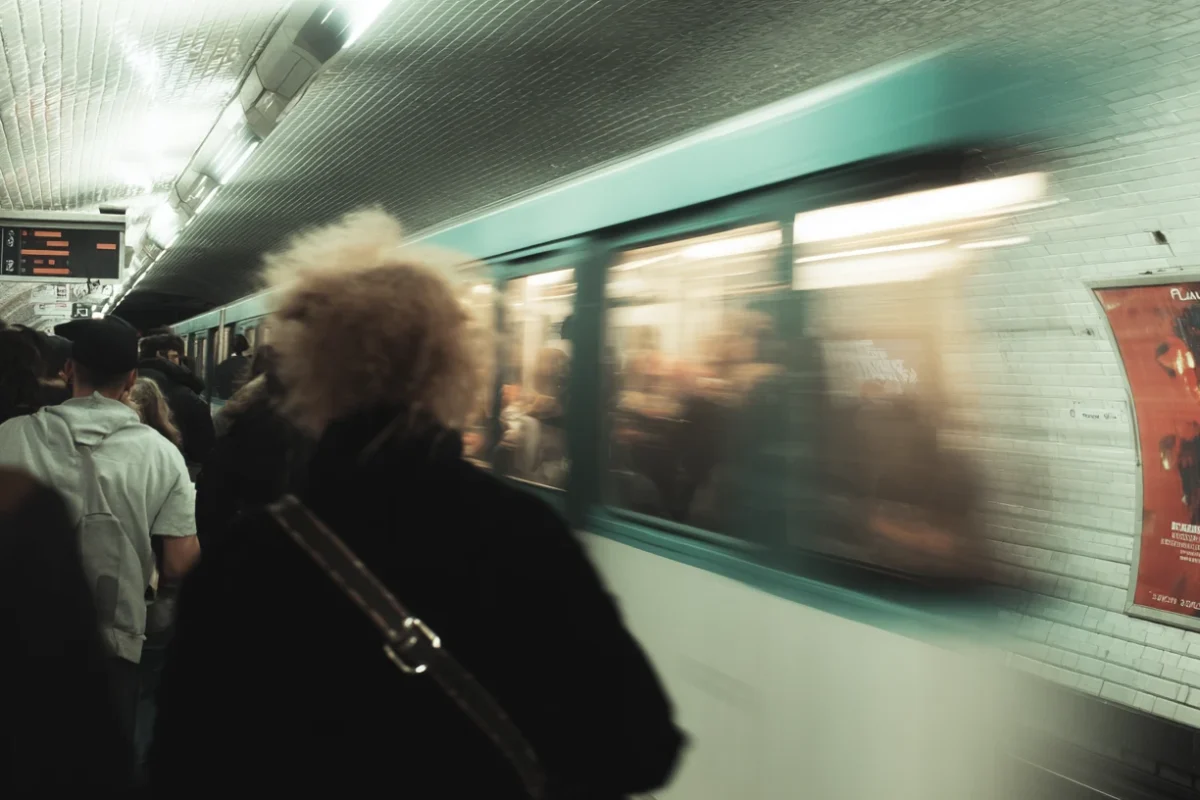
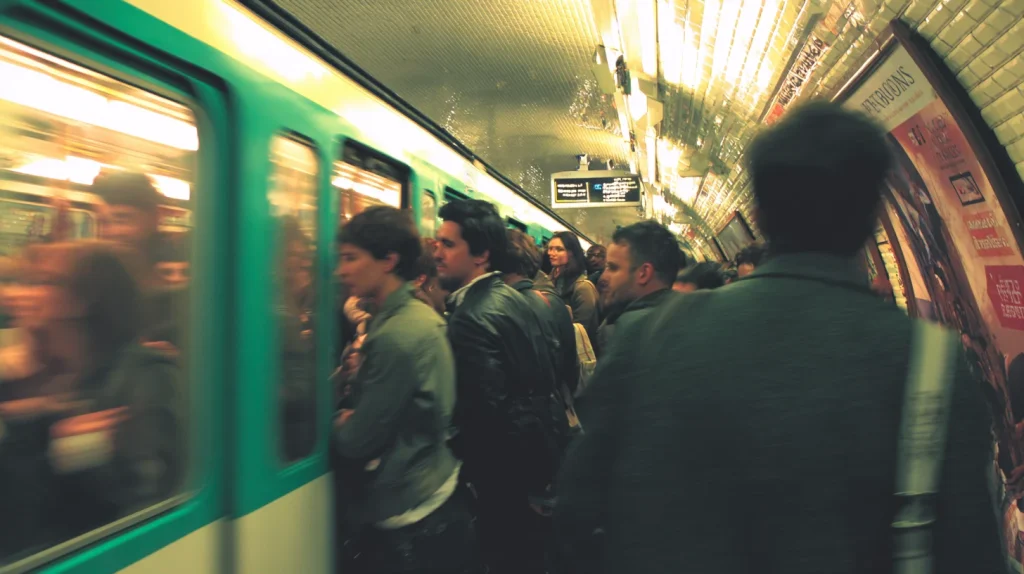
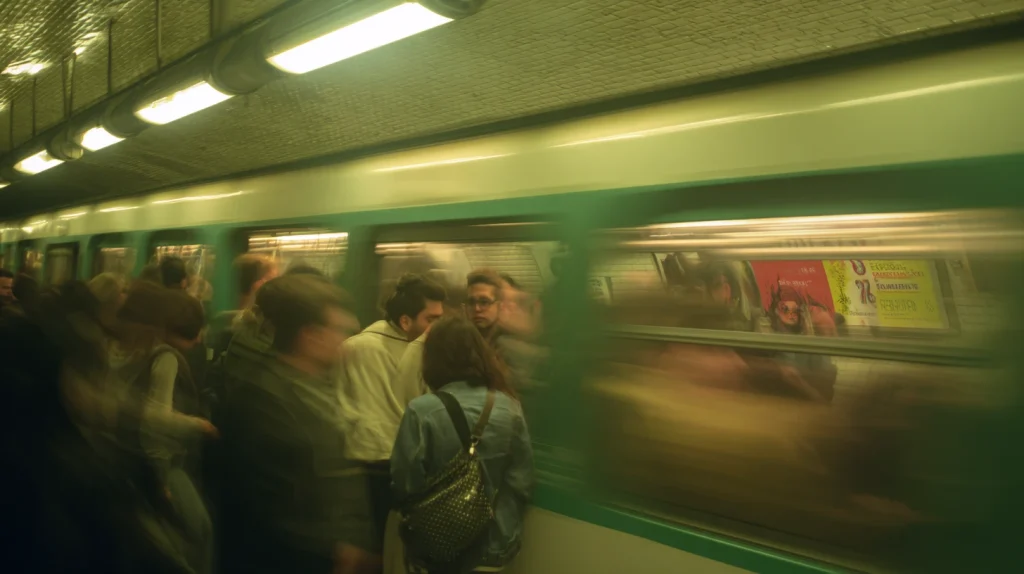
The Paris metro, especially the busiest tourist-corridor lines Lines that serve the main tourist routes are prime pickpocket territory during rush hour. The tactic is usually to create a crowd or distraction at the door — someone blocks the entry, someone else goes through an open bag. Wear your bag in front, keep your phone in a zipped pocket, and be particularly alert when the train is packed and doors are closing.
Gare du Nord The station serving Eurostar and trains from northern Europe has a notably higher density of hustlers, unofficial “helpers” trying to assist with luggage for money, and aggressive individuals near the exits. Keep your luggage close, ignore anyone who approaches unsolicited, and move through quickly. It’s not dangerous — just hustly. Unlicensed taxi touts have also been reported here and at Gare de l’Est, using the same tactics described below for the airport.
CDG Airport — this deserves specific, current detail This remains one of the most consistently reported scam locations in the country, and it’s worth being precise about it because the scam itself is well-organized and current: as of a report published just this past week, fake “taxi” personnel — dressed to look like airport staff or informal helpers — approach arriving passengers near the official taxi queue, claim the official line is “only for Paris” or ask how many are in your group, and redirect you to an unmarked vehicle waiting elsewhere (sometimes down in a parking garage). These are not licensed taxis: no meter, no illuminated roof sign, no visible licence plate/number. Fares of €120-190 for a ride that should cost a fraction of that have been documented repeatedly, including drivers deliberately taking longer routes to justify a higher number once you’re already in the car and reluctant to argue.
The actual official fixed rate from CDG into central Paris is a flat fee — roughly €56 to the Right Bank, €65 to the Left Bank — covering up to four passengers and normal luggage, no extra charges. Legitimate Paris taxis display an illuminated “Taxi Parisien” roof sign (lit when available), a visible fare/regulation poster in the rear window, and a numbered plate. If a driver won’t confirm the flat rate before you get in, or the vehicle doesn’t have these markings, walk away and find the official rank — follow the marked path/floor signage from arrivals, which the airport has invested specifically in improving because this problem is so persistent. The same tactics have also been reported at Orly.
Ride-share apps (Uber, Bolt) booked in advance through the app are a reliable alternative and not subject to this particular scam, since you’re matched with a specific driver and fare before you ever approach a car.
Outside these specific zones, the risk drops dramatically. The Marais, Saint-Germain, Luxembourg Gardens, the covered passages — these neighborhoods feel completely safe at any hour. Most of provincial France — Lyon, Bordeaux, Avignon, Provence, the Riviera outside peak tourist season — is genuinely low-risk.
Paris by Neighborhood: A Practical Safety Map
Not all Paris neighborhoods carry the same feel.
Comfortable at all hours: Marais (3rd/4th), Saint-Germain (6th), Luxembourg (5th/6th), the 8th arrondissement near the Champs-Élysées (touristy but well-policed), the 7th (Eiffel Tower area is scam-heavy during the day but quiet at night).
Fine during the day, more mixed late at night: Pigalle (9th/18th border — the sex-industry strip on Boulevard de Clichy feels rough but isn’t dangerous), the area immediately around Gare du Nord (10th/18th), parts of the 20th.
Avoid solo very late at night: Some streets in the 18th north of Montmartre, parts of Saint-Denis just north of the city limits — though these are not tourist areas and you’d have no reason to be there.
The honest picture: Paris is a large European capital. Like any large city, there are areas where you’d feel less comfortable at 2am. But the places tourists actually spend time — museums, river walks, café-filled neighborhoods, the major sights — are well-managed and safe.
Solo Female Travel in France
France is a genuinely good destination for women traveling alone, including Paris.
I won’t pretend catcalling doesn’t exist — it does, and more commonly in some areas (around Pigalle, near Châtelet late at night) than others. It’s rarely more than an unwanted comment. Physical aggression toward female tourists is uncommon and tends to make national news when it happens precisely because it’s unusual.
Practical tips for solo women:
Walk with intention. Looking purposeful changes the dynamic noticeably. Pausing to look at your phone in an unfamiliar area makes you more of a target.
Trust restaurant and café staff. French service culture means you’re expected to take your time, and staff are generally not going to leave you feeling uncomfortable. Sitting at a café alone is completely normal in France — arguably more normal here than almost anywhere else.
The Marais, Saint-Germain, and the 6th arrondissement are consistently flagged as the most comfortable areas for solo women staying in Paris. These are also excellent neighborhoods in their own right.
In smaller cities and towns — Lyon, Avignon, Arles, Nice, Bordeaux — solo female travel is remarkably easy. These are not aggressive environments. Provincial France moves at a slower pace and feels noticeably more relaxed than central Paris.
One thing I’ll say plainly: France feels safer for solo women than many people expect from reading travel forums. The cultural formality — the “bonjour” expected at every shop entrance, the general reserve in public spaces — actually works in your favor. Strangers don’t engage unless invited.
Getting Around Safely
Metro: Safe overall, with the caveats above. Avoid looking distracted with your phone while bags are accessible. On the busiest tourist-corridor lines, be alert during rush hour.
Taxis and rideshares: Both are regulated and generally safe — provided you use them correctly. Book through the app (Uber, Bolt) or use an official marked taxi rank rather than accepting an approach from an unsolicited “helper,” especially at CDG, Orly, or the major train stations, per the detailed warning above.
Night trains: Lock your suitcase on overnight trains or keep it in sight. Theft from unlocked overhead racks on overnight routes does happen occasionally.
Driving: Road safety in France is reasonable. Be aware that speed cameras are widespread and French drivers on autoroutes can be fast. Priority à droite (yield to traffic coming from the right) applies in towns and can surprise drivers who aren’t expecting it.
Is France Safe Outside Paris?
Yes — and in many respects, noticeably more relaxed.
The risks that define Paris-specific safety advice (the pickpocket clusters, the scam groups near monuments) don’t really exist in smaller French cities and towns. Lyon has a low-key street scene and functions like a real working city rather than a tourist attraction. Bordeaux is calm and walkable. Avignon, Aix-en-Provence, Strasbourg, Nantes — these places attract tourists without the pressure-cooker concentration of Paris.
The Riviera during peak summer is the one regional exception. Nice and Cannes get crowded enough in July and August that opportunistic theft picks up, particularly on the beach. Don’t leave bags unattended on the beach and don’t flash expensive equipment — advice that applies anywhere crowds gather, not unique to France.
Rural France — the Dordogne, the Loire Valley, the Lot, Normandy’s countryside — is about as low-stress as travel gets. Villages, farmland, slow roads. The biggest safety concern in many parts of rural France is driving on narrow country roads and misjudging the width of a lane.
Health and Emergency Information
France has excellent public healthcare. EU citizens with a valid EHIC/GHIC card access French state healthcare at reduced cost. Non-EU visitors need travel insurance that covers medical treatment — this isn’t optional advice, it’s practical reality given French hospital costs.
Emergency numbers: 112 (universal EU emergency number). 15 for medical (SAMU). 17 for police. 18 for fire.
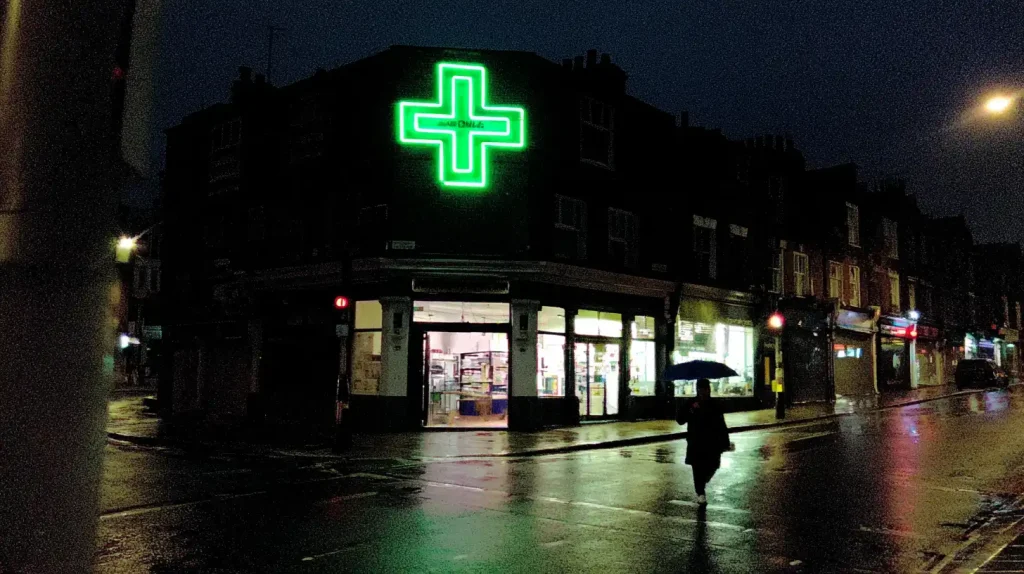
French pharmacies (identified by a green cross, found on most main streets) are a good first stop for minor ailments. Pharmacists are trained to assess and advise on minor medical issues — this is standard in France, not something to feel awkward about.
Natural Risks Worth Knowing
France has occasional extreme heat events in summer, particularly in the south. Temperatures in July and August regularly exceed 35°C in Provence and the Riviera. Hydration, shade, and avoiding midday sun are genuine considerations, not tourist-brochure warnings.
Southern France — particularly the Var and Alpes-Maritimes departments — can experience severe flash floods in autumn. These are localised and well-warned. Check local forecasts if hiking or traveling in remote areas in September–November.
Forest fires in the south occur in dry summers, especially in Provence and Corsica. These are taken seriously by French authorities and evacuations happen quickly when needed. The risk to tourists who aren’t in forested areas is minimal, but it’s worth having travel insurance that covers disruption.
suggested internal link — Best Time to Visit France
FAQ
Is Paris safe for tourists in 2026? Yes. Petty theft, pickpocketing, and taxi-related scams are the main risks, concentrated at specific sites — Eiffel Tower, Louvre, Montmartre, busy metro lines, and CDG airport specifically. Violent crime against tourists is rare. Walk with awareness, keep bags secure, use official transport, and Paris is entirely manageable.
Is France safe for solo female travelers? Yes. France — Paris and the wider country — is consistently rated safe for solo women. Catcalling exists in some areas but rarely escalates. The Marais, Saint-Germain, and most provincial cities are considered particularly relaxed for solo travel.
Should the terrorism alert level stop me from visiting France? No. France’s Vigipirate security system, updated in June 2026, currently sits at its middle alert tier (“vigilance renforcée”), and the country continues to receive tens of millions of visitors annually without incident. The visible security presence at major sites is a protective measure. Travel normally and stay aware of your surroundings.
Which Paris neighborhoods are safest for tourists? The Marais (3rd/4th), Saint-Germain (6th), the 7th, and the 8th are consistently the most comfortable for visitors. These are central, well-policed, and busy with people throughout the day and evening.
How do I avoid the CDG taxi scam specifically? Ignore anyone who approaches you before you reach the official taxi rank, no matter how official they look or what they claim about your group size or destination. Follow the marked signage to the real taxi queue. Confirm the driver will charge the official flat rate (around €56 Right Bank / €65 Left Bank) before getting in, and check for the illuminated roof sign, fare poster, and visible licence plate. If anything feels off, walk back inside and start over, or book an Uber/Bolt through the app instead.
What should I do if something is stolen in France? Report to the nearest police station (commissariat de police) and get a police report (déclaration de vol). You’ll need this for insurance claims. French police handle tourist theft reports routinely — it’s a straightforward administrative process, not an ordeal.
US State Department advisory level (Level 2, current) verified against travel.state.gov. The June 2026 Vigipirate system overhaul and France’s current “vigilance renforcée” posture verified directly against French government sources (interieur.gouv.fr and multiple regional prefecture sites), current as of the “été-automne 2026” posture announced June 22, 2026. CDG taxi scam details, including the official flat-rate fares, verified against multiple current reports, including one published within the past week — this remains an active, well-documented problem rather than a historical one.