The drive from Manhattan to Boston covers about 215 miles on I-95, takes roughly 4 hours with no stops, and on a Friday afternoon in summer can take twice that. The road trip version — cutting off the interstate to chase coastline, old mill towns, and one of the best seafood trails in the Northeast — takes two days and covers more interesting ground per mile than almost any comparable drive in the US. The I-95 version is a commute. This is the other version.
| Distance (direct) | ~215 miles NYC to Boston |
|---|---|
| Road trip version | ~280–320 miles with detours, 2 days ideal |
| Best season | May–October; fall foliage September–October |
| Worst time | Memorial Day, July 4th, Labor Day weekends — traffic gridlock |
| Base requirement | Rental car; no public transport covers this route |
| Budget per day | $120–200 USD including accommodation |
The Route: Two Days Done Right
Day One: NYC to New Haven to Old Lyme to Mystic (Stop for the Night)
Leave New York early — before 8am if you can manage it on a weekday. The first stop worth making is New Haven, Connecticut, about 90 minutes from Manhattan. This is where Yale University sits, and the architecture along the central green is genuinely worth 45 minutes of walking: Gothic stone buildings mixed with neo-Georgian brick, the New Haven Green framed by three historic churches, and — non-negotiably — pizza. New Haven is where American pizza’s debate about best-in-country gets serious. Pepe’s Pizzeria on Wooster Street has been making coal-fired thin crust since 1925. The clam pie (white pizza with fresh clams) is what all the fuss is about. It’s $18–22 and worth the stop even if you just arrived from lunch.
Continue east on Route 1 (not I-95) to Old Lyme — a small Connecticut River estuary town with antique shops and the Florence Griswold Museum, the birthplace of American Impressionism. It’s quiet and unhurried in a way that most Connecticut road trip stops aren’t. Then continue through Old Saybrook to Mystic.
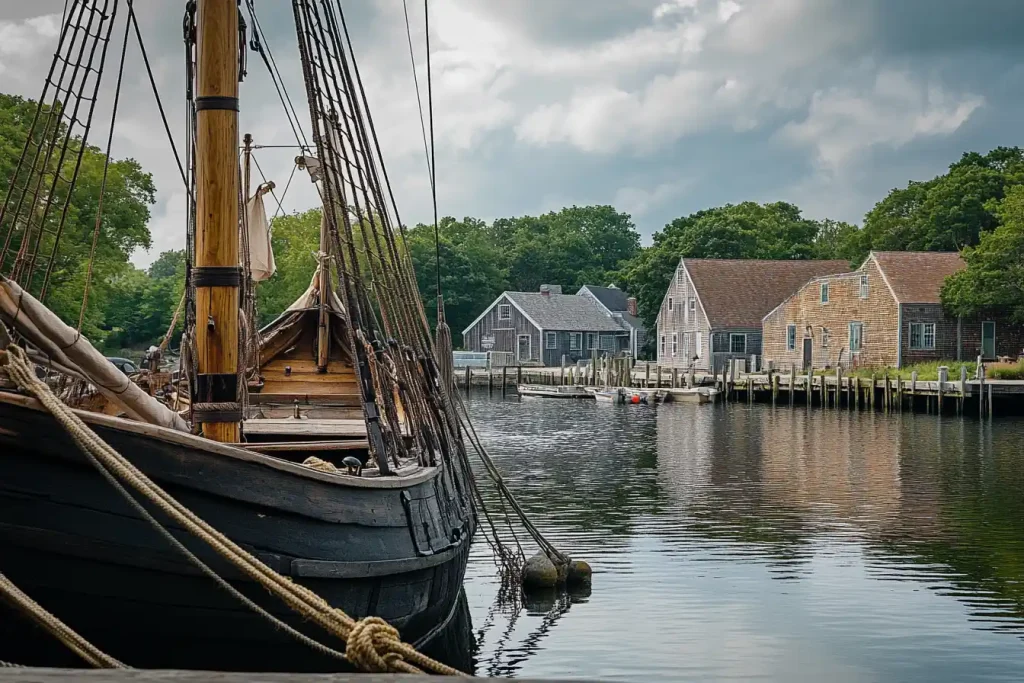
Mystic, Connecticut is where most East Coast road trip guides either over-recommend or skip entirely. The recommendation here is to stay overnight rather than treating it as a brief stop. Mystic Seaport Museum is the best maritime museum in the country — a reconstructed 19th-century seafaring village with actual historic ships you can board, including the Charles W. Morgan, the last surviving wooden whale ship in the world. Admission is $30 USD; plan 3–4 hours. The food situation in Mystic is better than you’d expect for a small tourist town: Oyster Club on Water Street does excellent New England oysters and fish for about $25–35 per person for dinner.
Day Two: Providence to Cape Cod (Optional) to Boston
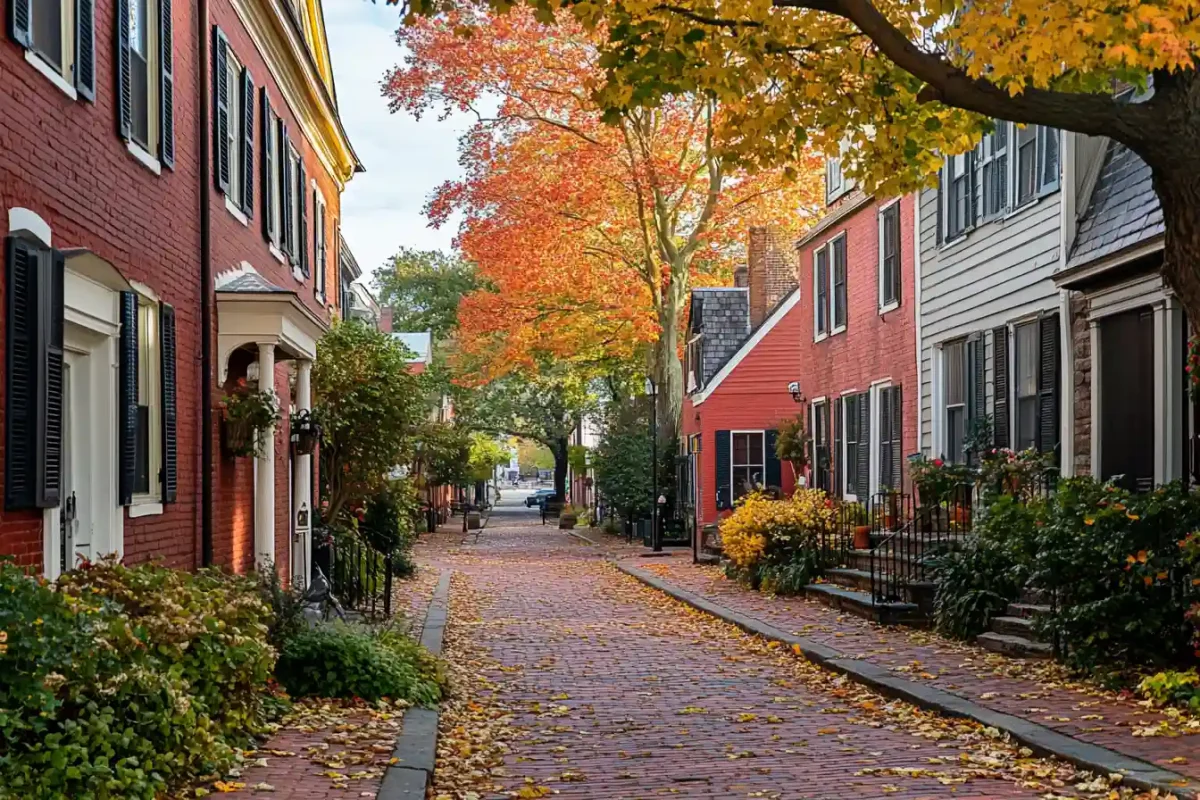
From Mystic, continue northeast on I-95 to Providence, Rhode Island — about 45 minutes. Providence is consistently underrated as a road trip stop. The city has a walkable downtown, one of the finest examples of Colonial-era American architecture on College Hill (walk up Benefit Street’s “Mile of History”), and an extraordinary food scene — this is the city that produces more professional chefs per capita than any other in the US, which reflects in the restaurant density. Gracie’s and Birch are the dinner splurges; Julian’s on Broadway is a casual brunch institution. Budget 2–3 hours for Providence even if you’re not eating there.
The Cape Cod detour: If you have time flexibility, take Route 6 east from Providence across the Bourne Bridge to Cape Cod. Falmouth and Woods Hole are the quieter western end; Wellfleet and Truro (2+ hours further) are the more dramatic outer cape — National Seashore, massive Atlantic-facing beaches, and some of the best lobster rolls on the East Coast ($20–28). The Cape adds 3–4 hours and is genuinely worth doing if the trip is more than point-A-to-point-B. Skip it if you’re time-constrained and go directly to Boston.
Enter Boston from the south via Route 93, or via the Southeast Expressway if coming from the Cape. Allow 30 minutes extra for city traffic regardless of time of day.
Where to Eat Along the Route
Seafood is the reason to stop. The Connecticut-Rhode Island-Massachusetts coast is producing live lobster and fresh oysters that were swimming the day before. Rules for ordering: a lobster roll in Connecticut is usually warm with butter (the Connecticut style); a lobster roll in Rhode Island or Massachusetts is usually cold with mayo (the Maine style). Both are correct. Order the one you prefer and don’t let anyone tell you otherwise.
Specific reliable stops: The Oyster Club in Mystic for dinner. Red Hook Lobster Pound in New Haven if you want the cold-mayo style earlier in the trip. New Rivers in Providence for the most impressive restaurant on the entire route ($50–70 per person tasting menu, but extraordinary). Moby Dick’s in Wellfleet, Cape Cod for fried clams and lobster rolls eaten outside on picnic tables ($18–25 for a roll).
Practical Planning
Traffic is the main variable. I-95 through Connecticut on a Friday afternoon — especially in summer — can add two hours to any timeline. Route 1 through coastal Connecticut is slower but less congested and more interesting. If leaving NYC on a Friday, leave by 7am or after 8pm. Saturday morning departures are dramatically better than Friday afternoon.
Toll costs: The Merritt Parkway has old-fashioned cash toll plazas; I-95 uses E-ZPass throughout Connecticut and Rhode Island. If your rental car has E-ZPass, you’re fine. If not, keep $5–10 in coins accessible.
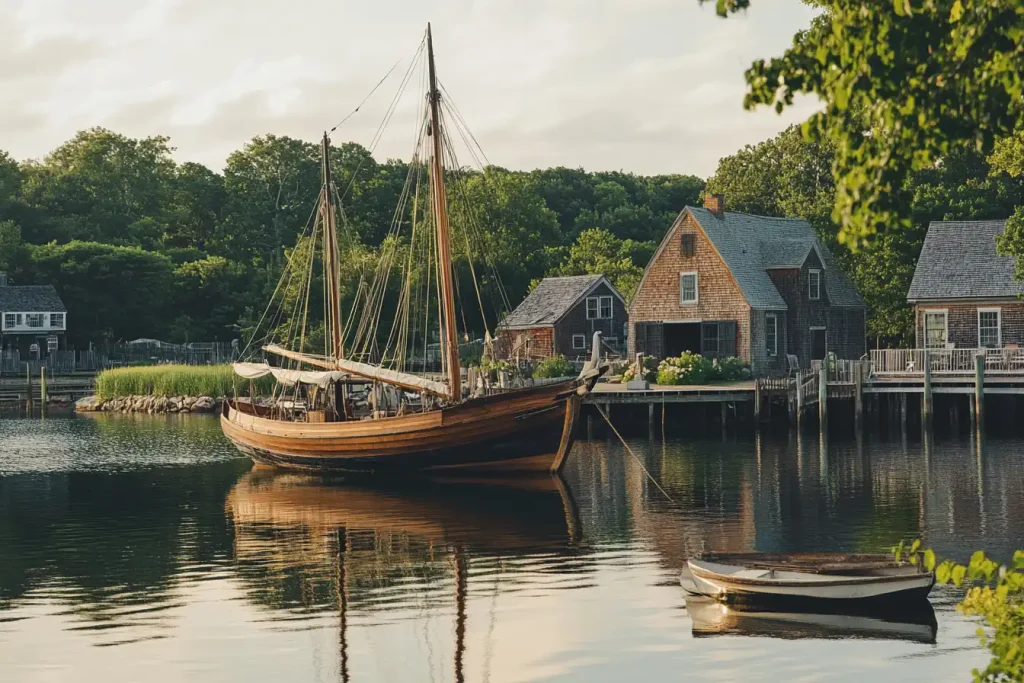
Fall foliage timing (mid-September to late October) makes this drive extraordinary — the Connecticut River valley and interior routes turn vivid. Traffic also increases during peak foliage weekends, particularly Columbus Day weekend in October.
Where to Stay Overnight
Mystic, Connecticut is the logical midpoint overnight. The Whaler’s Inn on Water Street ($140–200/night) is the most central option — walk to the seaport and restaurants from the door. In Providence, the Dean Hotel ($130–180/night) in downtown is well-designed and well-located for the College Hill walking area.
Alternative Route: The Interior
If maritime Connecticut doesn’t appeal, the interior route via the Berkshires (western Massachusetts) offers a completely different experience — rolling hills, small arts towns (Northampton, Lenox), Tanglewood music venue in summer, and the Norman Rockwell Museum in Stockbridge. This route adds mileage but avoids all the coastal traffic. It’s the better option for fall foliage concentrated in one area rather than spread along the shore.
Frequently Asked Questions
How long does the New York to Boston road trip take?
The direct drive is 4–5 hours with no stops (longer on weekends and Friday afternoons). The road trip version with stops in New Haven, Mystic, and Providence takes 2 days comfortably. Adding Cape Cod extends it to 2.5 days minimum.
What is the best time to drive from New York to Boston?
Weekday mornings in spring or fall — May/June or September/October — are ideal for light traffic and good scenery. Avoid Friday afternoons, Memorial Day weekend, July 4th, Labor Day, and Columbus Day weekend, all of which create significant traffic in both directions on I-95 and Route 1.
Is Mystic, Connecticut worth stopping at?
Yes, particularly for the Mystic Seaport Museum — the best maritime museum in the US, with actual 19th-century ships you can board including the last surviving wooden whale ship in the world. Plan 3–4 hours. The Oyster Club restaurant makes Mystic a worthwhile dinner stop even without the museum.
What are the best foods to try on the NYC to Boston drive?
New Haven clam pizza at Pepe’s Pizzeria ($18–22). Rhode Island chowder and fresh oysters in Providence. A Connecticut-style warm butter lobster roll or a classic cold mayo lobster roll at any seafood shack from Mystic onward. Fried clams at Moby Dick’s in Wellfleet, Cape Cod if you’re taking the Cape detour ($15–18 for a full plate).
Can I do the NYC to Boston road trip in one day?
Yes, with limited stops. New Haven for 45 minutes of pizza and architecture, Providence for 1 hour, then straight to Boston. Total drive time with stops: about 6–7 hours on a light traffic day, potentially 8–9 hours on a busy weekend. Two days is genuinely better — the stops are the point.