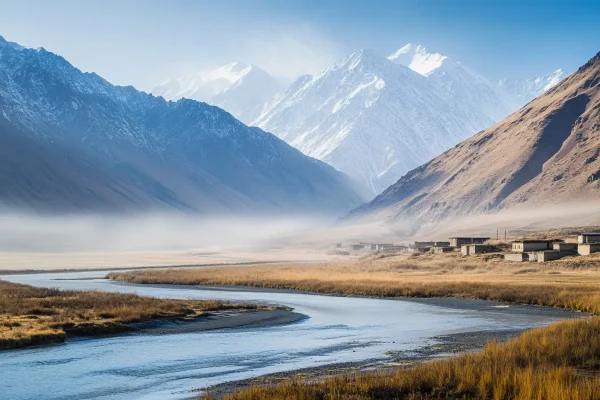
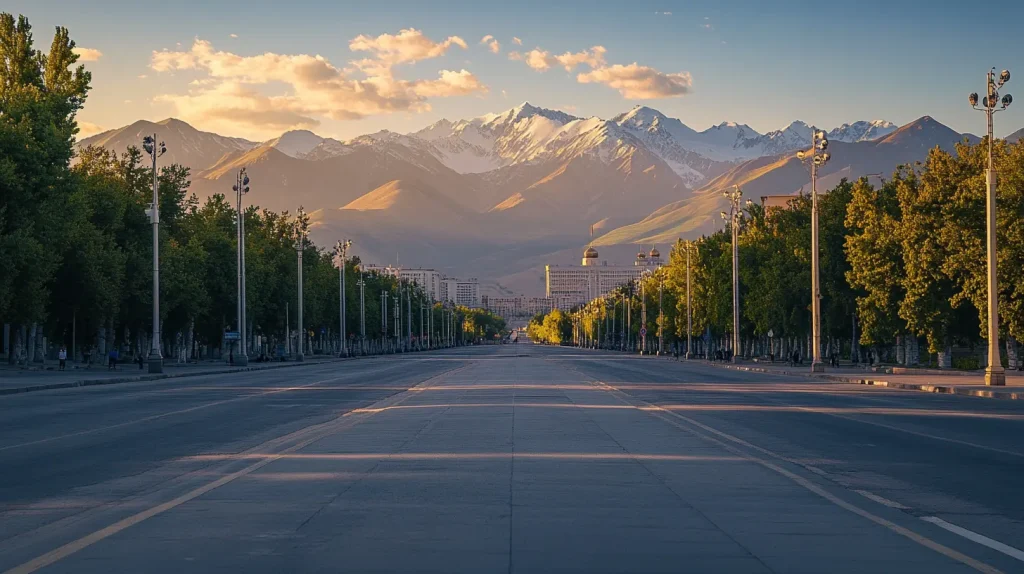
Bishkek is the capital of Kyrgyzstan, population about 1 million, and the entry point for one of the most dramatic mountain regions on earth. The city itself — Soviet architecture, wide tree-lined boulevards, a genuinely excellent bazaar, and mountains visible from almost every intersection — works as a one- or two-day base before you head into the Tian Shan range for trekking, yurt stays, and the kind of high-altitude landscape that Central Asia does better than anywhere. It also has one of the most relaxed visa regimes for Americans of any Central Asian country, inexpensive food and accommodation, and a population that is almost uniformly hospitable to Western visitors.
| Best time to visit | June–September for mountains; May and October for city base |
|---|---|
| Getting there | Fly via Istanbul, Dubai, Moscow, or Beijing to Bishkek (FRU) |
| Budget per day | $40–70 USD (one of the most affordable countries in the world) |
| Visa for Americans | Visa-free, 30–60 days depending on entry |
| Language | Kyrgyz and Russian; English limited outside the traveler circuit |
| Currency | Kyrgyz Som (KGS); cash dominant; USD accepted at most guesthouses |
Is Bishkek and Kyrgyzstan Worth the Effort?
For the right traveler — unambiguously yes. Kyrgyzstan combines some of the world’s most accessible high-altitude mountain landscapes (by comparison to Nepal, the infrastructure, costs, and logistics are dramatically simpler) with a yurt-stay culture that isn’t a performance, a low-crowd environment even in peak season, and a cost structure that makes extended mountain travel possible on modest budgets. Bishkek is the gateway rather than the destination for most visitors, but the city rewards a day or two before and after the mountains.
Bishkek: The City Base
Osh Bazaar is the largest market in Central Asia and probably the most authentic commercial space I’ve experienced in the region — not curated for tourists, enormous, organized by category in a way that makes sense once you get oriented, and full of dried fruit, spices, plov ingredients, traditional felt goods, and the kind of domestic appliance section that looks like a museum exhibit of Soviet-era goods. Go for two hours. Budget for getting lost once. The felt goods section (shyrdaks, the traditional felt rugs, and traditional felt hats called kalpaks) are the best craft buys in the country.
The State History Museum on Ala-Too Square has free entry and covers 5,000 years of Kyrgyz history, from petroglyphs to the Soviet period. The Soviet-era murals inside are significant artworks. Plan 90 minutes. The outdoor Ala-Too square itself hosts the changing of the guard in front of the Government House — a peculiar ceremony that draws an appreciative local crowd.
For food: Bishkek has a developing café scene in the hip Dordoy area, but the best food is at local canteens (stolovayas) where beshbarmak (flat noodles with lamb, the national dish), manty (large steamed dumplings), and laghman (pulled noodle soup) cost $2–4 per plate. Navat restaurant in the city center serves good traditional Kyrgyz food in a touristy but competent setting for $8–15 per person.
Day Trips from Bishkek
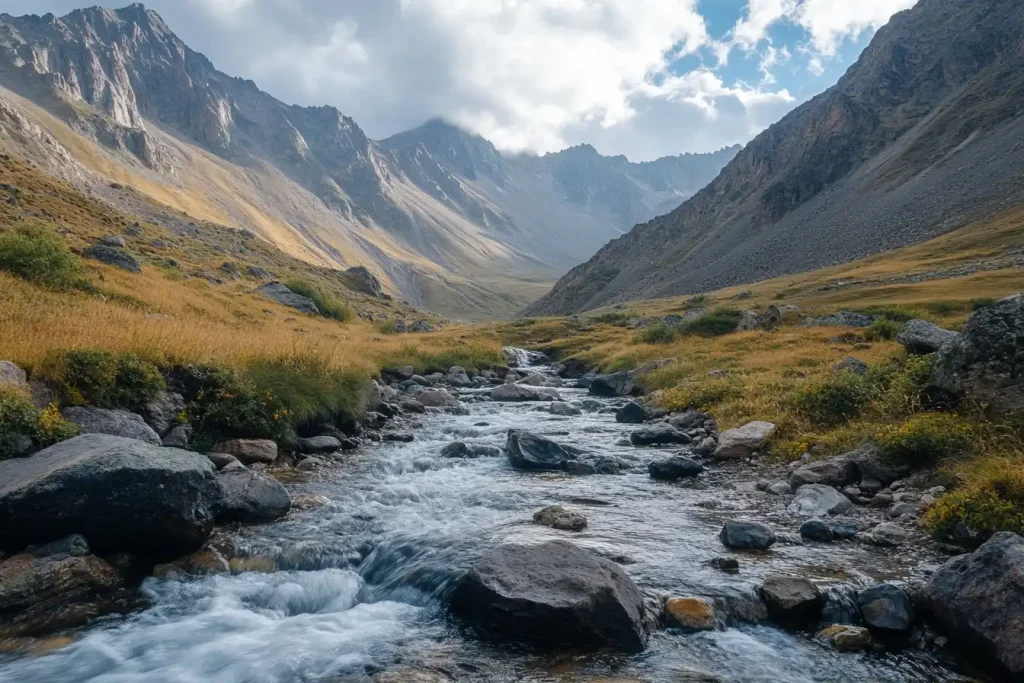
Ala Archa National Park is 40km south of Bishkek, an alpine gorge of the Kyrgyz Ala-Too range with trails starting at 2,100m and reaching over 4,000m for the serious hiker. Day entry costs about $4 USD. A shared taxi from the city runs $5–8 round trip. The lower trails are accessible without guiding; the upper glacier routes require a guide and equipment. In two hours of walking from the park entrance you can be in genuine high mountain wilderness — one of the better quick escapes from any capital city I know.
The village of Tokmok (80km east) is the starting point for the Burana Tower — a 11th-century Karakhanid minaret, partially restored, standing alone on a Central Asian steppe with carved stone animal figures (balbals) scattered around it. The surrounding landscape, flat and immense, with mountains on every horizon, is quintessential Central Asia. Entry $2. Worth a half-day.
Beyond Bishkek: Where to Go
Issyk-Kul Lake, 3.5 hours east of Bishkek, is the second-largest alpine lake in the world (after Titicaca) — 170km long, 1,600m altitude, warm enough to swim in summer. The town of Karakol on the eastern end is the trekking hub for the Central Tian Shan range. A 5-day circuit trek from Karakol to Altyn Arashan valley, over the Ala-Kul pass, and back is one of the best accessible multi-day treks in Central Asia.
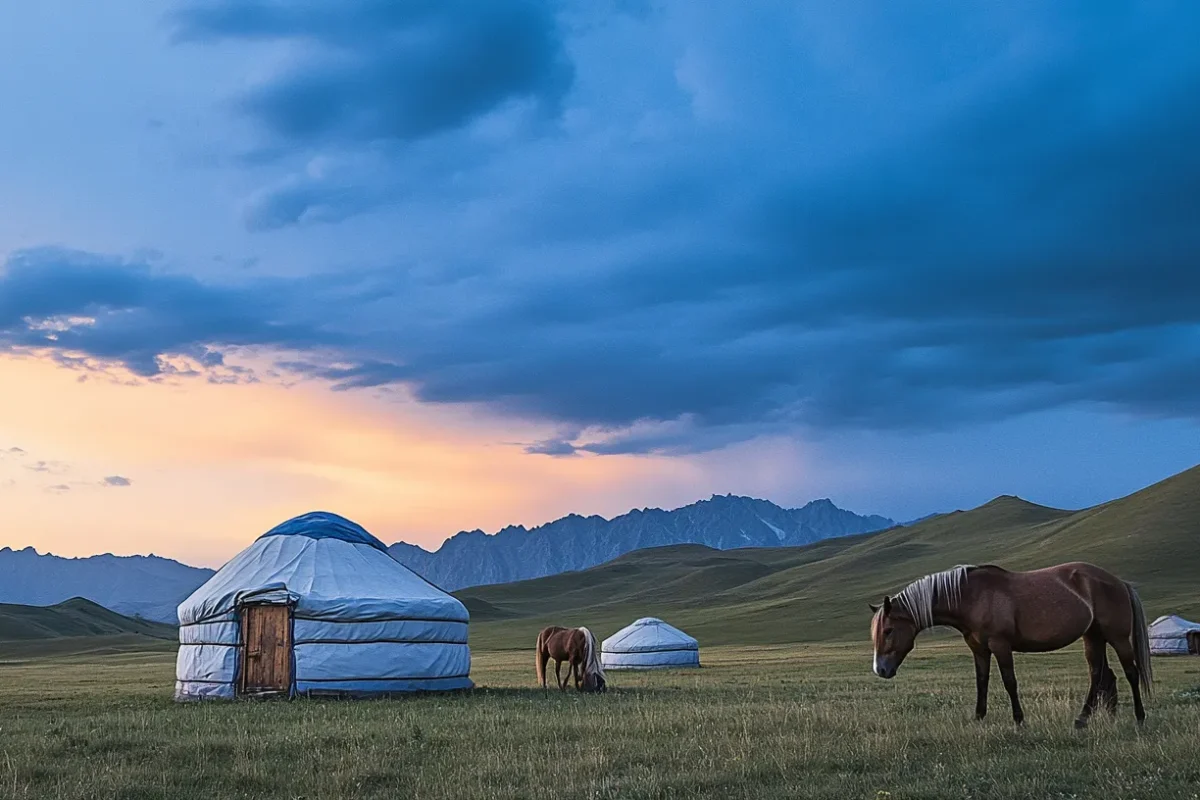
Song Kol lake, at 3,016m altitude in the middle of the country, is where nomadic families move their yurt camps in summer. Staying overnight in a family yurt, eating kumis (fermented mare’s milk) and shashlik, and watching the sunset over the grassland at altitude is exactly what people come to Kyrgyzstan for. Organizable from Bishkek through agencies like Shephard Tours or USAID-supported CBT (Community Based Tourism) for $50–70 per night including meals.
Getting to Bishkek from the US
No direct flights. Common routings: fly to Istanbul (Turkish Airlines, good connections), Dubai (Emirates or FlyDubai), or Moscow (Aeroflot). Manas International Airport (FRU) receives international flights daily. Typical total journey time from East Coast US: 18–24 hours with one stop. Round-trip fares typically $800–1,200 USD. Turkish Airlines via Istanbul usually offers the best combination of price and connection quality.
Where to Stay in Bishkek
Budget ($10–25/night): Guesthouses and small hostels are abundant — Sakura Guesthouse and Bishkek is a City of Hospitality guesthouse are well-reviewed starting points. Most Bishkek guesthouses act as booking hubs for mountain tours and can help organize transport, guides, and trekking permits.
Mid-range ($40–70/night): Ak-Keme Hotel or Boutique Hotel Silk Road Lodge. The mid-range in Bishkek is significantly more comfortable than the price suggests by Western standards.
Splurge ($80–120/night): Hyatt Regency Bishkek — not expensive by international standards, absolutely the nicest hotel in the country, useful for a first or last night recovery.
Practical Tips
Visa: Americans get 30 days visa-free on arrival at Manas Airport. You can extend at OVIR (visa registration office) in Bishkek for an additional 30 days. If combining with Tajikistan and the Pamir Highway, coordinate both visas before departure.
Cash: The economy is cash-dominated. USD exchange rate is excellent — exchange money at banks or licensed exchange offices (cambios) rather than at hotels. ATMs exist in Bishkek but are unreliable outside the capital. Bring enough USD cash for your intended mountain time.
Frequently Asked Questions
Do Americans need a visa for Kyrgyzstan?
No. American passport holders can enter Kyrgyzstan visa-free for up to 30 days on arrival. Extensions are available at the OVIR office in Bishkek for an additional 30 days. The total stay limit is 60 days without applying for a full visa.
Is Kyrgyzstan safe for travelers?
Generally yes. Bishkek and tourist areas have a low crime rate against foreigners; the main concerns are petty theft in crowded markets and the normal risks of high-altitude trekking. The political situation is stable (by Central Asian standards). US State Department rating is Level 1 (Exercise Normal Precautions) as of recent updates — verify current status before travel.
How expensive is Kyrgyzstan?
One of the cheapest travel destinations in the world. Guesthouse beds start at $5–10 USD; meals at local canteens cost $2–5; shared taxis between cities run $5–15. Even mid-range accommodation and restaurant dining rarely exceeds $50–60 per day total. The mountain trek and yurt stay experience runs $50–80/day including guides, transport, and food — modest by trekking destination standards.
What is the best time to trek in Kyrgyzstan?
June–September. High mountain passes are open and free of snow from late June through September; July and August are warmest. October brings early snow above 3,000m. June is excellent for wildflowers in the lower valleys. September is uncrowded and the light is exceptional though nights get cold quickly.
What is beshbarmak?
Beshbarmak (“five fingers” in Kyrgyz) is the national dish: wide flat noodles topped with slow-boiled lamb or horse meat, served in broth, eaten communally with the fingers as the name suggests. It’s prepared for celebrations, guests, and significant occasions. You’ll be offered it in any yurt stay. It’s hearty, simple, and tastes of the steppe.